
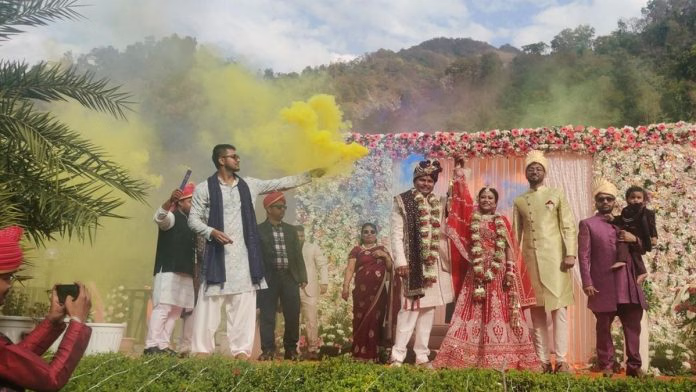

This topic is evergreen because it examines long term cultural and economic shifts rather than a breaking news event. The main keyword destination weddings in Tier 2 cities appears naturally in the opening paragraph. The article explains how wedding culture is changing and what this means for local lifestyle businesses.
Destination weddings in Tier 2 cities are rising as couples look for accessible, cost efficient and aesthetically appealing venues outside major metros. As demand moves into cities like Udaipur, Jaipur outskirts, Indore, Coimbatore, Kochi, Mysuru and Bhubaneswar, the entire wedding value chain from hospitality to decor to photography is transforming. This shift brings new business opportunities and higher expectations for local service providers.
Why couples are choosing Tier 2 destinations over traditional metros
The move toward smaller city destinations is driven by both affordability and experience. Metros offer limited venue availability, inflated pricing and overcrowded wedding calendars. Tier 2 cities provide resort style properties, heritage venues and spacious banquet infrastructure at competitive cost. Guests also find travel easier because domestic flights and highways have improved. Couples seek intimate celebrations with curated aesthetics rather than large scale urban events. Local climate, natural backdrops and cultural settings add to the appeal. This shift signals that wedding preferences are evolving from grandeur to personalised, experiential formats.
Impact on hospitality, resorts and banquet businesses
Destination weddings in Tier 2 cities are boosting demand for mid scale and premium hospitality. Resorts and banquet halls that previously catered to local events now see bookings from outside cities or even other states. Hotels bundle stay packages, on ground coordination, decor planning and vendor integration to attract clients. Occupancy improves during off peak tourism seasons because weddings fill inventory gaps. Resorts upgrade landscaping, room interiors, lighting and photo friendly zones because visual aesthetics influence booking decisions. For hospitality owners, this trend expands revenue streams beyond local events and improves brand visibility on social media.
How local lifestyle businesses are scaling to meet new expectations
Decor teams, caterers, photographers, DJs, mehendi artists, makeup artists and planners in Tier 2 cities are experiencing new demand cycles. With inbound wedding clients, these businesses must match metropolitan quality while maintaining local pricing advantage. Brides expect Instagram ready decor, themed pastel palettes, modern mandaps and curated food counters. Photographers shift to cinematic style shoots and drone coverage. Makeup artists invest in training and premium product kits. Decor firms build modular setups to offer faster turnaround. Lifestyle services that once operated with traditional templates now compete on creativity, punctuality and digital portfolios.
Role of social media in accelerating Tier 2 wedding destinations
Social media drives this shift. Couples discover boutique venues and local vendors through reels, Pinterest boards, wedding blogs and YouTube vlogs. When venues in smaller cities trend online, demand rises even if couples have no roots in that region. Influencer coverage and pre wedding shoot videos amplify interest in lesser known destinations. Local businesses that maintain high quality content create credibility quickly. This democratisation of visibility allows small city vendors to compete with metro based wedding companies. Digital storytelling becomes a primary driver of bookings.
Economic ripple effects across local markets
Destination weddings generate multi layer economic activity in Tier 2 cities. Local artisans supply personalised gifts, customised decor elements, regional textiles and handcrafted accessories. Transport operators, tent houses, florists and bakery units benefit from higher order values. Event rental businesses expand inventory for props, lighting, sound and seating. Fashion boutiques see increased sales of wedding trousseau and groom styling. Jewellery stores secure orders for customised pieces. Even small players such as mehendi cones suppliers, flower farmers and regional food caterers gain from this demand. Wedding tourism also increases spending in cafes, tourist spots and local shopping streets.
Challenges Tier 2 vendors must overcome to remain competitive
While demand rises, execution expectations escalate. Consistency, time management and professionalism matter more than ever. Couples expect detailed contracts, digital invoices, transparent pricing and design mock-ups. Local vendors must upgrade operations to handle large outstation weddings. Staffing, inventory planning and equipment quality must scale. Knowledge gaps in theme design, lighting aesthetics or international decor trends may limit opportunities. Vendors who invest in training, collaborations and digital presence can break these barriers. Conversely, those who rely heavily on traditional patterns risk missing a rapidly growing market.
What this means for the future of wedding and lifestyle businesses
The shift toward destination weddings in Tier 2 cities is not temporary. As domestic travel infrastructure improves, smaller cities will become reliable wedding tourism hubs. Lifestyle businesses can grow faster by building specialised services: boutique planning studios, designer decor labs, aesthetic content creation teams, micro hospitality management units and theme based catering. Second tier brands can establish themselves nationally by focusing on niche styles and consistent execution. Smaller cities will likely develop signature wedding styles that differentiate them from metros, influencing regional employment and entrepreneurship.
Takeaways
Destination weddings are expanding into Tier 2 cities due to cost, accessibility and aesthetics
Hospitality and lifestyle vendors in smaller cities are upgrading quality to match metro expectations
Social media visibility accelerates discovery of non metro venues and local creatives
Wedding tourism drives multi layer economic growth across regional businesses
FAQs
Why are couples choosing Tier 2 cities for destination weddings
Because they offer scenic venues, competitive pricing and personalised experiences without the congestion and cost of metro destinations.
Do local vendors in Tier 2 cities need to match metro level quality
Yes. Wedding clients now expect creativity, punctuality and professional execution regardless of location.
Which businesses benefit the most from this shift
Resorts, décor teams, caterers, photographers, makeup artists, rental services, florists and regional artisans see strong growth.
Will the trend of Tier 2 destination weddings continue
Yes. Improved connectivity, digital discovery and rising aspiration ensure long term momentum in smaller city wedding tourism.