
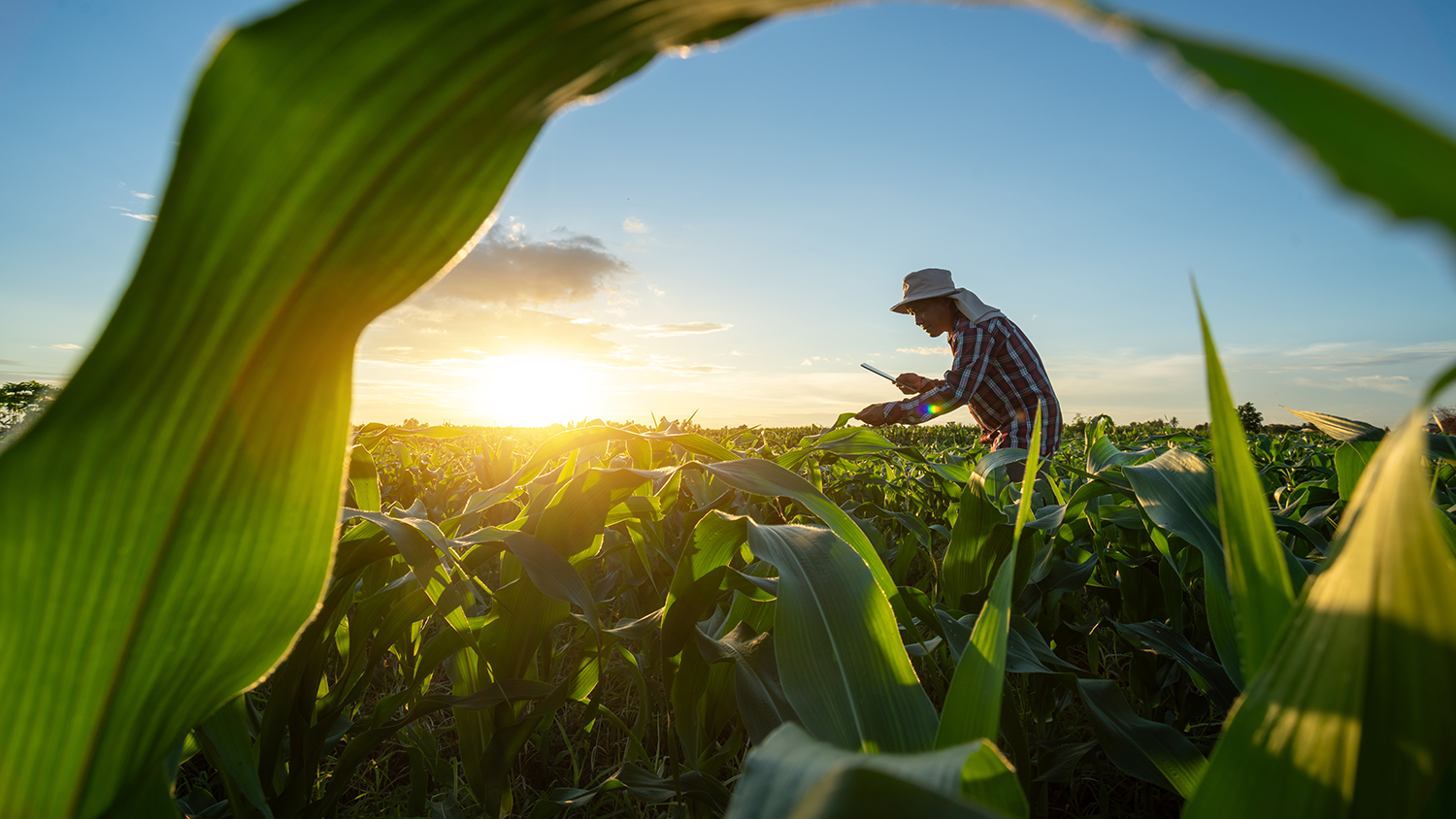

Early heat waves in India can damage crops, reduce yields, and threaten farm income. Farmers who adopt preventive strategies such as irrigation planning, heat tolerant crop varieties, and soil moisture management can reduce losses and protect agricultural productivity during unusually high temperatures.
Early heat waves in India are becoming more frequent and farmers must understand how to protect crops during early heat waves to safeguard both yields and income. Rising temperatures during the late winter and early spring months can stress crops that are still in crucial growth stages. Wheat, vegetables, pulses, and oilseed crops are especially vulnerable when temperatures rise suddenly before harvest. Effective farm management strategies can help reduce the impact of heat stress and maintain crop productivity.
Understanding Early Heat Wave Impact on Crops
Early heat waves in India occur when temperatures rise significantly above seasonal averages during February or March. These conditions can disrupt the normal growth cycle of many crops. Wheat, which is widely grown during the rabi season, is particularly sensitive to high temperatures during its grain filling stage.
When temperatures rise above optimal levels, crops lose moisture faster through a process known as evapotranspiration. This reduces the amount of water available in the soil and forces plants to use stored energy more quickly. As a result, crops mature faster but produce smaller grains or lower yields.
Vegetables such as tomatoes, potatoes, and leafy greens may also experience heat stress. High temperatures can lead to flower drop, poor fruit development, and lower quality produce. For farmers depending on these crops for income, sudden heat waves can significantly affect profits.
Soil Moisture Management During Heat Stress
Soil moisture management is one of the most effective ways to protect crops during early heat waves. Maintaining adequate moisture in the soil helps plants withstand high temperatures and continue normal growth.
Farmers can apply irrigation during cooler hours of the day, preferably early morning or late evening. This reduces water loss caused by evaporation and allows the soil to absorb moisture more efficiently.
Mulching is another important technique that helps conserve soil moisture. Covering soil with crop residues, straw, or organic materials reduces direct sunlight exposure and slows down water evaporation.
Drip irrigation systems also help deliver water directly to plant roots. This method improves water efficiency and supports plant growth even when temperatures rise rapidly.
Choosing Heat Tolerant Crop Varieties
Another important strategy to protect crops during early heat waves in India is selecting heat tolerant crop varieties. Agricultural research institutions have developed crop varieties that can perform better under higher temperature conditions.
Heat tolerant wheat varieties, for example, are bred to maintain grain filling even when temperatures increase during late growth stages. Similarly, certain vegetable hybrids are more resistant to heat stress and produce stable yields in warmer climates.
Farmers can consult local agricultural extension officers or seed suppliers to identify suitable varieties for their region. Using climate resilient seeds has become an increasingly important strategy as temperature patterns become less predictable.
Crop Diversification to Reduce Income Risk
Crop diversification is another effective way to protect farm income during heat waves. Relying on a single crop increases financial risk if extreme weather conditions damage that crop.
Farmers can plant a combination of cereals, pulses, vegetables, and oilseeds to distribute risk across multiple crops. If one crop experiences heat related losses, other crops may still provide income.
Short duration crop varieties are also useful in regions prone to early heat waves. These crops mature faster and can be harvested before temperatures reach damaging levels.
Mixed cropping systems can also improve soil health and increase farm resilience. Planting different crops together helps improve nutrient availability and reduces pest pressure in some cases.
Weather Monitoring and Early Warning Systems
Access to weather forecasts has become an important tool for farmers facing climate variability. Agricultural departments and meteorological agencies provide regular heat wave alerts and temperature forecasts.
Farmers who monitor weather updates can adjust irrigation schedules, apply protective measures, or harvest crops earlier if extreme heat is expected. Many government programs and agricultural apps provide district level weather forecasts that are useful for farm planning.
Shade nets and temporary protective structures can also help protect vegetable crops from extreme heat. These structures reduce direct sunlight exposure and maintain lower temperatures around plants.
Using weather based advisory services helps farmers make informed decisions during unpredictable weather events.
Takeaways
Early heat waves can reduce crop yields and affect farm income
Maintaining soil moisture helps crops withstand high temperatures
Heat tolerant crop varieties improve resilience against temperature stress
Weather forecasts allow farmers to prepare for sudden heat waves
FAQs
Which crops are most affected by early heat waves in India
Wheat, vegetables, and some oilseed crops are particularly sensitive to high temperatures during critical growth stages.
How can farmers maintain soil moisture during heat waves
Farmers can use mulching, drip irrigation, and watering during cooler hours to reduce moisture loss and protect plant roots.
Are there seeds that can tolerate higher temperatures
Yes. Agricultural research institutions have developed heat tolerant crop varieties designed to perform better in warmer conditions.
How can farmers receive heat wave alerts
Farmers can access weather alerts through agricultural advisory services, meteorological department updates, and mobile apps that provide local forecasts.