
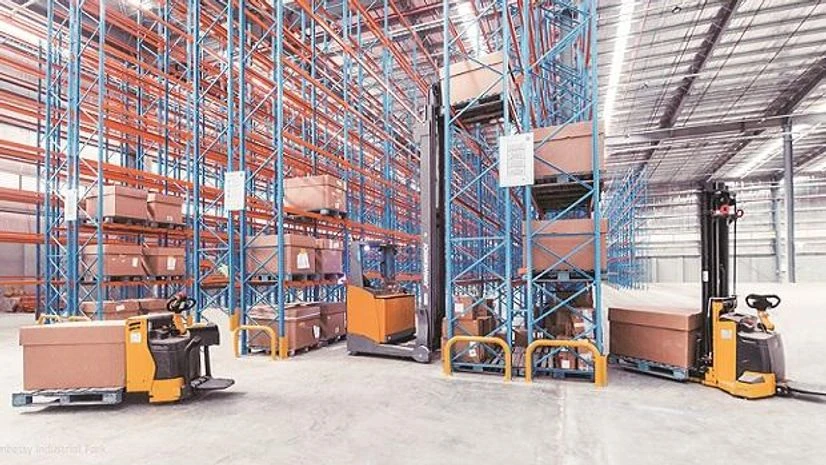

The recent announcement that logistics startup Ripplr is raising ₹400 crore signals a strategic expansion of brand-distribution and last-mile logistics into Tier 2 and Tier 3 towns. This news-oriented article explains how the fresh capital will enable Ripplr to strengthen micro-fulfillment centres, digital inventory tracking and local dealer networks beyond metros.
The funding round positions Ripplr to deepen penetration in smaller towns by bridging distribution infrastructure gaps. Brands looking to expand outside metro areas will have stronger backend partners, enabling faster stocking, better visibility and smoother logistics for semi-urban and rural retailers.
What Ripplr does and the significance of the capital raise
Ripplr is a Bengaluru-based distribution and logistics enterprise that offers brands plug-and-play infrastructure—warehousing, store onboarding, routing, inventory management and last-mile delivery. With its upcoming ₹400 crore raise, the startup is reported to receive backing from major investors and a commercial bank participation. This capital will primarily fund scaling of micro-fulfilment centres, expansion of electronics and FMCG distribution verticals and technological upgrades.
The raise reflects confidence in the distribution sector’s evolution outside big cities where logistics costs are higher and brand presence remains thin. For Tier 2 towns, this means more brands can enter with logistical support instead of relying solely on traditional wholesaler networks.
How the distribution ecosystem in Tier 2 towns stands to benefit
In many Tier 2 and Tier 3 towns, brand availability, store restocking frequency and visibility remain inconsistent due to fragmented distributor networks and long supply chains. Ripplr’s investment plan to open micro-fulfilment centres closer to such towns means faster replenishment and better service. This can reduce lead times for retailers and improve availability of new products.
Shorter supply chains also mean lower logistics cost for brands and distributors. That cost-saving can translate into competitive pricing or promotional offers in smaller markets. A tech-enabled distributor can share inventory data with brand partners, helping tailor assortments for town-level demand rather than metro-centric models.
Technology and data analytics as enablers for local distribution scale
Ripplr emphasises tech-led logistics—live tracking, order routing, store onboarding workflows and analytics dashboards. With fresh funds, deployment of these tools in more towns becomes viable. Smaller town retailers, for example, could receive alerts on restocking, digital invoices and real-time delivery updates—features previously common only in bigger cities.
For brands, such data helps understand product performance in non-metro markets, enabling customised offerings and promotional strategies. In essence, technology is helping standardise distribution services across geographies, reducing the traditional urban-rural service gap.
Implications for consumers and retailers in smaller towns
Consumers in Tier 2 towns may see faster access to newer products, improved availability, and more promotional activity as brands expand regionally. Local shops become more efficient with timely deliveries and inventory turnover. For retailers, being tied to a tech-enabled logistics platform means better reliability, fewer stock outs and potential digital integration.
This infrastructure upgrade also encourages new brand launches targeting smaller towns. Previously brands often prioritized metro markets due to distribution complexity. With improved backend, smaller towns become viable launch zones, augmenting local market choice.
Challenges and risks for execution in smaller markets
While the raise is promising, execution in smaller towns carries inherent challenges. Infrastructure—road connectivity, storage facilities, cold chains (especially for FMCG), and digital literacy among retailers—varies widely. Ensuring service consistency across towns with variable logistics maturity will be critical.
Retailers may require training to adapt to new digital workflows. Brands must align with local consumer preferences and supply realities rather than applying metro-centric models. Pricing pressures and thin margins in smaller markets also mean logistics cost must remain tightly managed.
What this means for broader distribution and retail transformation
Ripplr’s funding round underscores a broader shift: logistics and distribution are being viewed as scalable technology platforms rather than fragmented networks. As smaller towns gain more efficient supply chain services, retail dynamics may evolve with more rapid product launches, better store servicing and improved consumer experience.
For policy makers and regional retailers, this development signals that non-metro distribution infrastructure is receiving serious investment, which could boost local commerce, employment and market connectivity.
Takeaways
Ripplr’s ₹400 crore raise enables expansion of logistics infrastructure into Tier 2 and Tier 3 towns
Improved micro-fulfilment centres and tech-enabled distribution improve product availability in smaller markets
Digital tools for retailers and brands reduce supply-chain gaps and lower costs for non-metro regions
Execution risks remain in infrastructure variability, training and margin pressures in smaller markets
FAQs
What will the funding be used for in Tier 2 markets
The funds will support opening new micro-fulfilment centres, expanding electronics and FMCG distribution verticals, enhancing routing and store-onboarding tech across smaller towns.
How will smaller‐town retailers benefit from Ripplr’s scale-up
Retailers will gain faster deliveries, lower stock-outs, digital order and invoice systems, and broader product assortment from brands entering their markets.
Does this raise affect consumer pricing in smaller towns
Potentially yes—shorter supply chains and efficient logistics may reduce brand costs, which could translate into competitive pricing or more frequent promotions in non-metro areas.
What challenges must Ripplr overcome to succeed in smaller towns
Ripplr must ensure consistent infrastructure, local retailer adoption of digital workflows, manage logistics cost in low-density areas and align brand-retail assortments for local demand.