
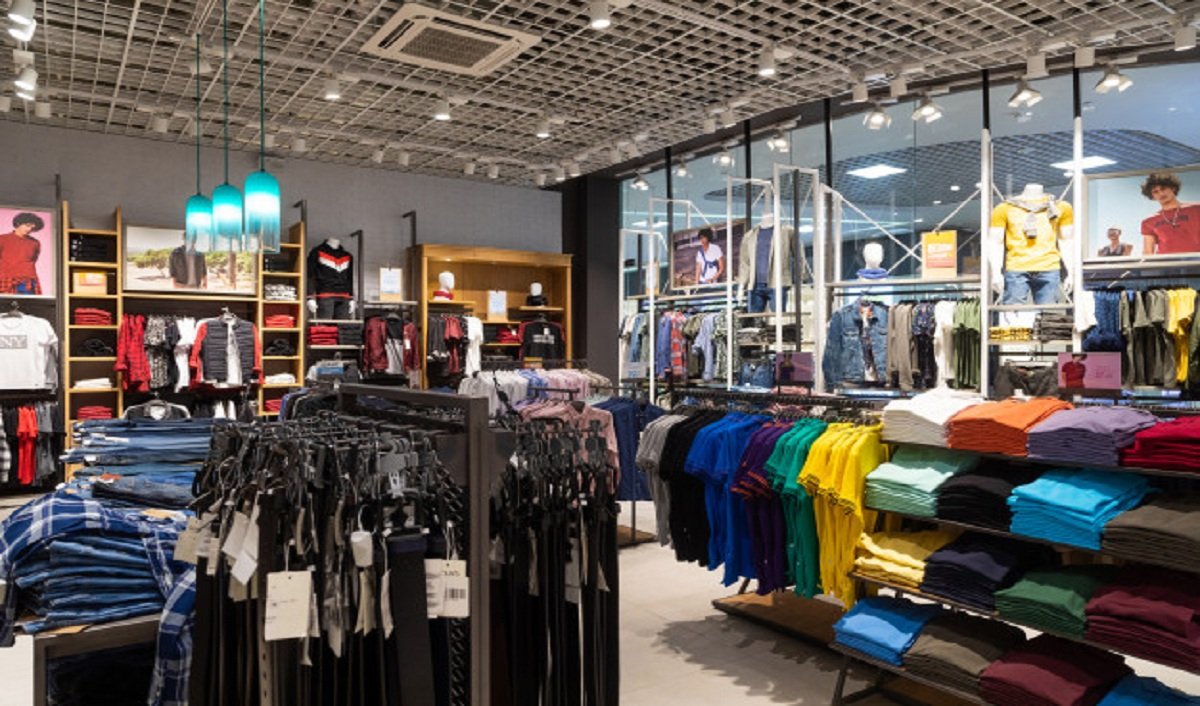

Rising D2C fashion and lifestyle brands from Tier 2 cities are reshaping India’s consumer market by scaling beyond local boundaries and reaching national audiences. The main keyword rising D2C fashion brands captures a fast growing trend where founders outside metros use digital distribution, sharp positioning and lean operations to compete with established players.
The intent of this topic is informational with strong relevance to current market dynamics, so the tone remains analytical and detail driven.
Understanding why Tier 2 D2C brands are growing rapidly
D2C fashion and lifestyle brands from Tier 2 cities have emerged due to better access to digital payments, affordable logistics and lower operating costs. Cities like Jaipur, Surat, Coimbatore, Indore, Lucknow and Nagpur host strong artisan bases, textile clusters, leather units or jewellery manufacturing ecosystems. These local strengths give founders a cost advantage and distinctive product identity.
Social media discovery has also democratised branding. A brand from a smaller city can reach the same Instagram or YouTube audience as a metro label. Influencer collaborations, regional storytelling and niche communities help these brands gain attention without traditional advertising budgets.
Because their hometowns have lower costs for manufacturing and warehousing, these brands reinvest savings into quality improvement and customer service. This combination of low cost structure and digital visibility is a major driver of their rise.
How they use product differentiation to stand out nationally
Successful Tier 2 D2C brands avoid generic catalogues. Instead they focus on strong product differentiation rooted in craftsmanship, regional aesthetics or material quality. Brands from Jaipur lean into block prints and handcrafted apparel. Surat based brands specialise in ethnic wear and affordable wedding fashion. Coimbatore labels leverage cotton quality and textile engineering.
Differentiation works because national customers increasingly seek authenticity, not mass produced designs. By highlighting origin, technique and quality, Tier 2 brands create strong trust and emotional engagement.
Additionally, product verticalisation helps them optimise supply chains. When brands control design, manufacturing and packaging locally, they can maintain consistency and respond faster to trends.
Digital first distribution gives Tier 2 brands a national runway
Most emerging brands rely on digital distribution from day one. They sell through their own websites, marketplaces and social commerce channels. Logistics aggregators allow them to ship nationwide without needing metro based stocks.
Their marketing strategy typically follows three layers. The first layer is paid performance marketing to validate demand. The second is influencer engagement to build credibility and reach niche communities like college fashion, bridal wear, home fragrance lovers or sustainable lifestyle enthusiasts.
The third layer is community building. Many Tier 2 brands use WhatsApp groups, Instagram broadcast channels or loyalty programs to keep customers engaged. Direct interaction improves retention and creates brand advocates.
Operations and cost discipline strengthen scalability
D2C brands from Tier 2 cities generally operate with leaner teams. Many use family run manufacturing units or long standing local suppliers, which reduces procurement friction. Proximity to manufacturing units enables quick sampling, quality checks and rapid iteration.
Cost discipline is a structural advantage. Lower rentals, affordable talent and local manufacturing ensure that unit economics stay healthy even at small volumes. Brands reinvest margins into packaging quality, faster delivery and better photography, which helps build a premium perception nationally.
Some brands also use micro warehouses or dark stores in strategic locations to achieve faster deliveries in metro markets without maintaining full offices there.
Using data, AI tools and customer feedback loops to scale
Even with limited teams, many Tier 2 brands use analytics and AI tools to optimise their operations. These tools support demand forecasting, inventory planning, size trend analysis and product recommendation systems.
Data driven decision making helps reduce unsold inventory and improves profitability. When customer feedback highlights quality concerns or sizing issues, brands adjust quickly due to their shorter supply chains. Continuous iteration is a competitive advantage that enables smoother scaling compared to traditional retailers.
Building trust, brand identity and nationwide customer confidence
For D2C brands, trust is built through transparent communication. Clear return policies, responsive customer support and consistent product quality help reduce perceived risk for first time buyers.
Tier 2 brands also invest heavily in brand identity. They use storytelling about craftsmanship, founder journeys and regional heritage to stand out in a crowded market. This emotional connection gives them a loyal customer base that returns for repeat purchases.
National reach is further strengthened by participation in exhibitions, pop ups and collaborations with bigger labels, which help validate their brand positioning.
Challenges they face and how they overcome them
Despite growth, Tier 2 brands face challenges like scaling logistics, managing cash flow during festive spikes, hiring specialised talent and building advanced tech capabilities.
They overcome these by outsourcing non core functions, partnering with logistics tech platforms, using contract based specialist talent and adopting plug and play tools for storefronts, billing and CRM.
Their agility and cost efficiency help them withstand challenges that often overwhelm larger brands.
Takeaways
Tier 2 D2C brands grow through local strengths, digital visibility and sharp differentiation
Lean operations and cost efficiency give them an advantage in unit economics
Data driven decisions and rapid iteration help them scale nationwide
Strong storytelling and trust building attract and retain customers across India
FAQs
Why are D2C brands from Tier 2 cities rising now?
Improved logistics, social media visibility and local manufacturing strengths allow them to produce distinct products and reach national customers without metro level costs.
Do these brands compete directly with big metro based labels?
Yes, but they differentiate with authenticity, niche positioning and leaner operations, which allow competitive pricing and faster iteration.
What challenges do they face while scaling?
Inventory management, talent gaps, cash flow issues and logistics complexity are common, but many overcome these with partnerships and technology.
Can Tier 2 D2C brands succeed without large marketing budgets?
Yes. Organic reach, influencer marketing, community engagement and strong product identity reduce the need for heavy advertising spend.