
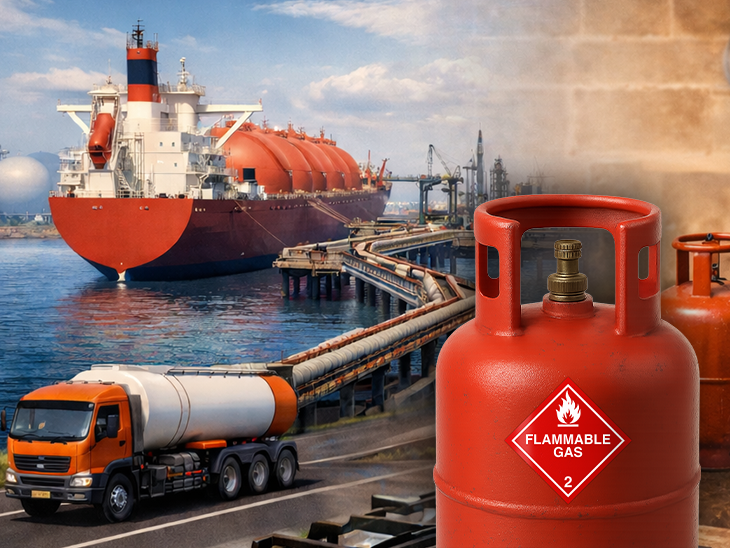

Rising LPG and fuel costs in 2026 are increasing operational pressure on small businesses across India. From food stalls to delivery services, many entrepreneurs must adapt quickly. Practical cost management strategies can help businesses maintain profitability despite higher energy expenses.
Rising LPG and fuel costs in 2026 are becoming a serious concern for small businesses across India. Many local enterprises rely heavily on cooking gas, petrol, or diesel to run daily operations. Restaurants, roadside food stalls, delivery services, and transport operators are particularly affected. As operational expenses increase, small business owners must adopt smarter strategies to manage energy costs while maintaining service quality and customer demand.
Higher energy costs directly influence pricing decisions, supply chains, and profit margins. Businesses that adjust early with efficient planning and operational changes are better positioned to handle the impact of rising LPG and fuel prices.
Why LPG and Fuel Costs Are Increasing in 2026
Rising LPG and fuel costs are largely influenced by global crude oil trends, supply chain disruptions, and domestic tax structures. India imports a large share of its crude oil and LPG requirements, which means international market fluctuations can directly affect local fuel prices.
For small businesses, the effect is immediate. Commercial LPG cylinders used by restaurants and food vendors often cost significantly more than domestic cylinders. When prices increase, cooking costs rise quickly for businesses that depend on gas stoves or large scale food preparation.
Transport based businesses also face pressure from higher petrol and diesel prices. Delivery services, logistics operators, and small distributors must spend more on fuel for vehicles used to transport goods or reach customers.
These combined pressures mean entrepreneurs must find ways to reduce energy consumption or improve operational efficiency.
Managing LPG Costs in Food and Hospitality Businesses
Food businesses are among the most affected by rising LPG prices. Small restaurants, street food vendors, bakeries, and catering services rely heavily on gas cylinders for daily cooking.
One practical approach is improving cooking efficiency. Using pressure cookers, high efficiency burners, and properly sized utensils can reduce LPG consumption during food preparation. Keeping lids on cooking vessels also helps retain heat and shorten cooking time.
Batch cooking is another useful strategy. Preparing multiple orders in one cooking cycle instead of repeated heating reduces gas usage throughout the day.
Many businesses also monitor LPG consumption more closely. Tracking how long each cylinder lasts helps identify unusual spikes in usage and encourages more efficient kitchen practices.
By optimizing kitchen operations, food businesses can slow the impact of rising LPG costs.
Reducing Fuel Expenses for Delivery and Transport
Fuel management is critical for businesses that depend on transportation. Delivery services, courier companies, and local supply distributors must manage increasing petrol and diesel prices carefully.
Route planning plays a major role in reducing fuel expenses. Businesses that plan delivery routes strategically can reduce unnecessary travel distance and save fuel. Digital navigation tools help drivers identify shorter or less congested routes.
Regular vehicle maintenance also improves fuel efficiency. Proper tire pressure, timely engine servicing, and clean air filters allow vehicles to consume less fuel during operation.
Some small businesses are gradually shifting to electric two wheelers for short distance deliveries. Electric vehicles can significantly reduce daily fuel expenses once the initial investment is recovered.
These changes help transport dependent businesses maintain stable operating costs despite higher fuel prices.
Adjusting Pricing Without Losing Customers
One challenge small businesses face during rising fuel and LPG costs is adjusting product prices without losing customers. Sudden price increases can reduce demand, especially in price sensitive markets.
Many businesses respond by making gradual price adjustments instead of large increases. For example, a restaurant may increase menu prices slightly while also introducing smaller portion options.
Another strategy is optimizing the product mix. Businesses often promote items that have lower cooking costs or higher profit margins. This helps offset the impact of higher LPG expenses.
Clear communication with customers also helps maintain trust. Many consumers understand that rising energy costs affect small businesses, especially when price adjustments remain reasonable.
Balanced pricing strategies allow businesses to protect profitability while keeping customer loyalty.
Using Technology to Track Energy Costs
Technology is becoming an important tool for small business cost management. Digital accounting systems and expense tracking apps allow owners to monitor fuel and LPG spending more accurately.
When energy costs are tracked regularly, businesses can identify patterns and make faster adjustments. For example, a delivery company might notice that certain routes consume more fuel and adjust schedules accordingly.
Online payment platforms also help track operational expenses automatically. Digital records simplify budgeting and allow businesses to forecast future costs more effectively.
Using technology to analyze energy expenses helps entrepreneurs make informed decisions instead of reacting only after profits decline.
Takeaways
Rising LPG and fuel costs in 2026 are increasing operational expenses for many small businesses in India.
Improving cooking efficiency and monitoring LPG consumption can help restaurants and food vendors control gas usage.
Route optimization, vehicle maintenance, and electric vehicle adoption can reduce fuel costs for transport based businesses.
Careful pricing strategies and digital expense tracking help businesses maintain profitability despite higher energy costs.
FAQs
Why are LPG prices affecting small businesses more than households?
Commercial LPG cylinders used by businesses are typically priced higher than domestic cylinders, so price increases have a larger financial impact on restaurants and food vendors.
How can delivery businesses reduce fuel costs?
Businesses can optimize delivery routes, maintain vehicles properly, and consider electric vehicles for short distance deliveries.
Should small businesses increase prices when fuel costs rise?
Gradual price adjustments combined with efficient operations can help maintain profitability without driving away customers.
Can technology help manage rising energy costs?
Yes, digital accounting tools and expense tracking apps allow businesses to monitor LPG and fuel spending and make better financial decisions.