
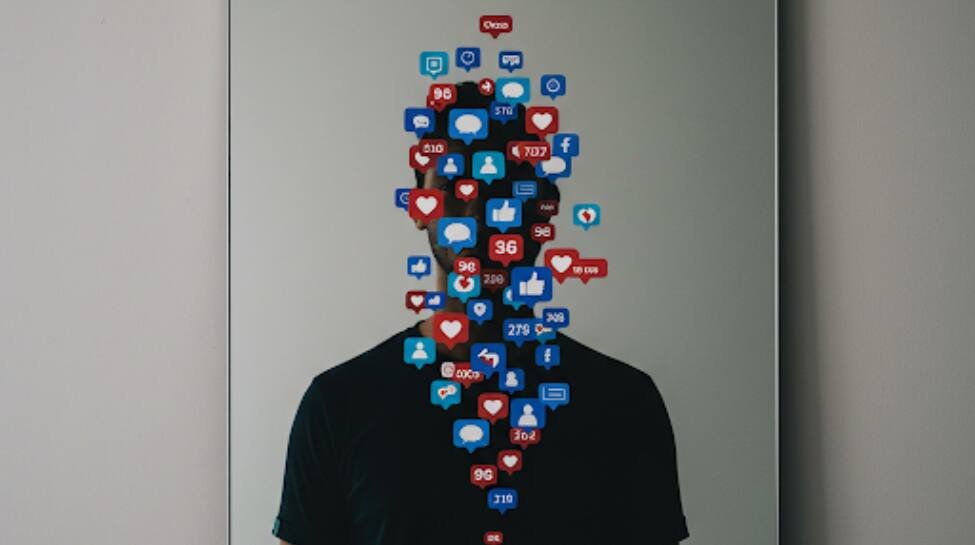

Social media has become more than just a platform for connection—it’s now shaping the way people think, react, and even define their identities. In cities and small towns alike, it influences opinions, relationships, and self-worth. What started as a tool to share updates has turned into a space that subtly dictates how we express emotions, consume information, and perceive success.
One major shift is in attention span. With reels, short videos, and quick posts dominating screens, people are becoming wired for instant gratification. Patience, once a natural part of human interaction, now feels like a rare skill. This constant need for updates keeps users scrolling even when they want to stop, creating cycles of distraction that affect focus and productivity.
Social validation is another big factor. The pressure to appear happy, successful, or stylish online has made comparison almost unavoidable. In smaller cities, where people earlier lived away from the fast-paced trends of metros, social media has brought both opportunity and insecurity. The exposure helps build awareness and ambition, but it also fuels unrealistic standards.
Interestingly, social media is also changing communication itself. People prefer quick messages, emojis, or reactions instead of conversations. Empathy and emotional depth are being replaced by speed and convenience. This shift, though subtle, is altering how relationships form and how trust builds.
Social media isn’t inherently bad—it connects, educates, and empowers. But recognizing how it shapes behaviour is essential. Awareness is the first step to using it consciously, ensuring technology serves humans, not the other way around.