
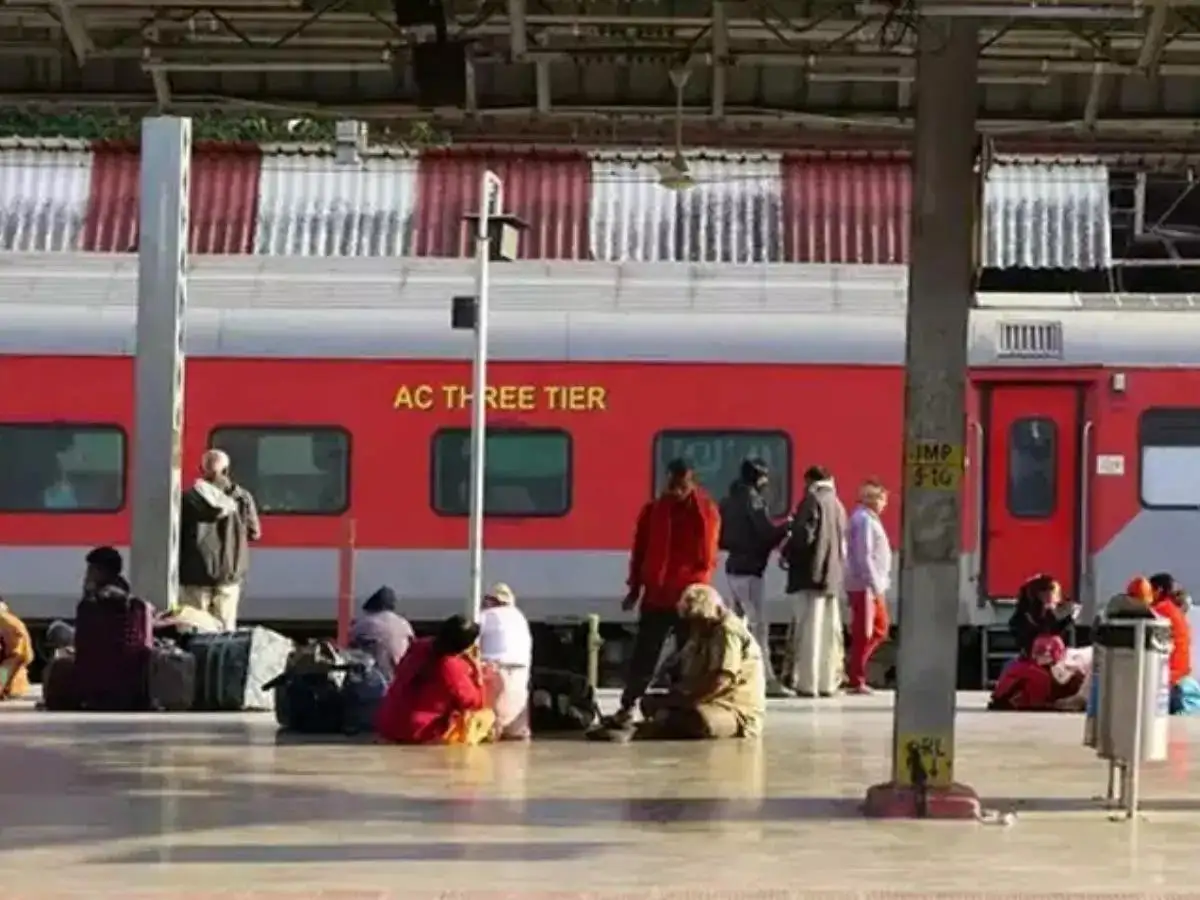

The extra coach added to the Jammu New Delhi Rajdhani Express aims to ease pressure on long distance travel as flight cancellations continue to affect passengers from smaller cities. This development raises an important question for travellers facing air travel disruptions. Will the additional capacity genuinely reduce congestion and provide a stable alternative during aviation volatility.
Why the extra coach matters during flight cancellation spikes
The extra coach on the Jammu New Delhi Rajdhani Express increases seating capacity on a route that often experiences high demand during peak travel periods. With airlines cancelling or consolidating flights due to operational challenges, many travellers are shifting to premium trains for predictability. Rajdhani trains are preferred because they offer faster transit, assured catering and consistent schedules. The added coach is significant because it allows more confirmed bookings instead of waitlists that commonly stretch into three digit numbers during crisis weeks.
Travellers from Tier 2 and Tier 3 cities rely on rail travel when air routes become unreliable. The Rajdhani now offers greater booking stability and gives passengers a fallback when flights out of regional airports get cancelled or rescheduled repeatedly. This is particularly useful for travellers who need guaranteed arrival windows for work or family commitments.
How the extra seating capacity affects availability for smaller cities
The added coach increases both AC seating and sleeper berths depending on the configuration chosen by Indian Railways. While the Rajdhani does not stop at all smaller stations, passengers from nearby cities often travel to the nearest junction to board. Additional availability reduces waitlist uncertainty for passengers travelling from regions such as Jammu division, Punjab suburbs or northern Haryana.
The extra capacity also improves the chances of last minute confirmations under the tatkal quota. During flight disruptions, tatkal bookings surge because travellers make sudden shifts to rail options. A higher number of tatkal seats helps reduce the heavy rush normally seen one day before departure. Smaller city passengers benefit because they can secure confirmed travel without depending only on air carriers that may continue facing operational constraints.
Will the Rajdhani addition meaningfully ease flight chaos
The added coach cannot fully replace the volume of passengers affected by widespread flight cancellations, but it provides meaningful relief for a specific segment of travellers. Air passengers switching to rail are mostly those who need predictable travel timelines and are comfortable with overnight journeys. The Rajdhani’s punctuality record makes it a dependable substitute when flight uncertainty grows. However, the train addition will not solve the broader aviation capacity gap because train infrastructure has fixed limits.
What it does offer is a buffer against sudden surges. When cancellations increase, airports face overcrowding and rebooking queues. Railways can absorb some of this overflow. Even a single coach addition can handle dozens of passengers per day, reducing pressure on disrupted metro and regional air corridors.
Impact on pricing and travel planning for passengers
The extra coach does not change fare structures, as Rajdhani pricing follows dynamic rail guidelines rather than aviation style caps. However, greater availability helps keep surge driven waitlist demand in check. Passengers shifting from air to rail during airline crises often face long waitlists, but the added capacity softens the impact. This enables more predictable travel planning for families, students and professionals who prefer not to deal with volatile airfares during disruption periods.
Travel agents in smaller cities also report that train bookings rise sharply when airlines cancel multiple flights in a week. The added Rajdhani coach helps them offer more options to clients who cannot risk last minute flight failures. For business travellers, confirmed rail tickets can act as a backup itinerary when aviation reliability drops.
Benefits for connecting travellers beyond Delhi
The Jammu New Delhi Rajdhani is a backbone route for passengers connecting onward to central and southern states. With the additional coach, more travellers can reach Delhi on time to catch further trains. This reduces dependency on flights that may be cancelled without adequate same day alternatives. For smaller city travellers whose airports offer only limited daily flights, Rajdhani access provides a stable long distance mobility chain.
The extra capacity also supports tourism and pilgrimage circuits. Regions connected through Jammu, Katra and northern heartland towns see high seasonal travel demand. With aviation uncertainty looming, the Rajdhani addition gives travellers a more reliable option for time bound trips.
Takeaways
The extra coach increases confirmed seat availability during aviation disruptions
Tatkal and last minute bookings become easier for smaller city travellers
The Rajdhani cannot replace aviation volume but provides stability during chaos
More passengers can rely on predictable long distance rail when flights fail
FAQs
Does the extra coach guarantee lower waitlist numbers
It reduces waitlist pressure, but confirmations still depend on demand patterns and festival or holiday peaks.
Can this train fully offset the impact of flight cancellations
No. It only absorbs part of the overflow, but it offers a dependable alternative for many travellers.
Will fares reduce because of the added coach
Fares remain unchanged. The benefit lies in better availability rather than lower pricing.
Is the Rajdhani a practical option for urgent travel needs
Yes. Its punctuality, speed and overnight timings make it suitable for urgent intercity travel when flights are unreliable.