
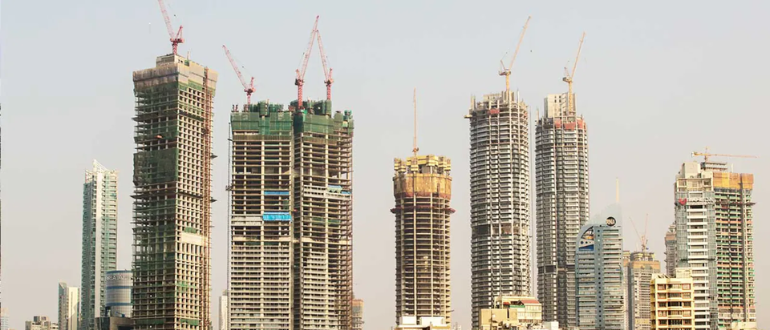

How land deals in Tier-2 cities like Coimbatore and Ahmedabad are shaping 2026 real estate has become a key question for developers, investors, and homebuyers across India. Large scale land acquisitions in these cities are already influencing prices, project types, and long term supply planning.
The trend signals a shift away from saturated metro markets toward cities with strong infrastructure, skilled workforce availability, and relatively affordable land. As 2026 approaches, these land deals are setting the direction for residential, commercial, and mixed use development.
Why Tier Two Cities Are Attracting Big Land Deals
Tier-2 cities are benefiting from a combination of cost efficiency and growth readiness. Compared to metro cities, land acquisition costs remain lower while infrastructure quality has improved significantly. Governments have also streamlined approvals, making it easier to plan large developments.
Developers see Tier-2 markets as lower risk with steady demand. End users in these cities are more likely to buy for self use, which stabilises pricing. This demand profile encourages developers to secure large land parcels early before prices escalate.
Coimbatore’s Expanding Real Estate Footprint
Coimbatore has emerged as a preferred destination for residential and plotted developments. Land deals on the city outskirts and along industrial corridors reflect long term confidence in housing demand driven by manufacturing, education, and healthcare sectors.
Large land acquisitions in Coimbatore are being planned for integrated townships rather than isolated apartment blocks. Developers are focusing on self contained communities with schools, retail zones, and open spaces. This approach aligns with local buyer preferences for larger homes and quieter neighbourhoods.
Commercial real estate is also gaining attention, particularly warehousing and light industrial parks linked to textile and engineering industries.
Ahmedabad’s Strategic Advantage in 2026 Planning
Ahmedabad continues to attract institutional land investments due to its proximity to major financial and industrial hubs. Land deals near established business districts and emerging corridors are shaping high density commercial and mixed use projects.
Unlike purely residential focused Tier-2 cities, Ahmedabad’s land acquisitions show a strong tilt toward office parks, data centres, and logistics hubs. Developers are betting on sustained demand from technology, finance, and export oriented businesses.
Residential projects tied to these land deals are increasingly targeting mid income professionals and migrant workers, indicating a more diverse housing demand mix.
Shift Toward Integrated and Mixed Use Projects
One of the clearest outcomes of recent land deals is the shift toward integrated development. Instead of fragmented projects, developers are securing larger land parcels to create mixed use zones combining housing, offices, retail, and social infrastructure.
This trend reduces dependency on city centres and creates new micro markets. For buyers, it means better access to jobs and services within shorter travel distances. For developers, integrated projects improve long term asset value and rental potential.
As 2026 nears, cities with planned land banks are likely to outperform those relying on small, scattered plots.
Impact on Pricing and Affordability
Early stage land acquisitions often signal future price movement. In both Coimbatore and Ahmedabad, land prices in identified growth corridors have already started rising. However, overall housing affordability remains better than metros.
Developers who locked in land earlier can offer competitive pricing initially. Over time, infrastructure upgrades and occupancy levels push prices upward. Buyers entering during the early phases of development are likely to see appreciation by 2026.
For investors, land led projects in Tier-2 cities offer moderate but stable returns rather than speculative spikes.
Role of Infrastructure and Connectivity
Land deals are closely aligned with infrastructure planning. Proximity to highways, industrial zones, ports, and airports heavily influences where developers invest. Government backed road expansions and urban transit projects reduce risk and improve project viability.
In Tier-2 cities, even small infrastructure announcements can significantly boost land attractiveness. Developers track these signals closely and move early to secure strategic parcels.
This coordination between public infrastructure and private land acquisition is reshaping city growth patterns.
What This Means for Homebuyers
For end users, these land deals translate into better planned communities and wider choice. Buyers can expect more options in plotted developments, low rise housing, and gated communities rather than only high rise apartments.
However, buyers should evaluate project timelines carefully. Large integrated developments take longer to deliver. Checking developer track record and phase wise delivery plans is critical.
Buying early offers pricing benefits, but patience is required.
Investor Outlook for 2026
Investors looking at Tier-2 cities should focus on locations backed by confirmed land acquisitions and approved master plans. Speculative buying in unplanned zones carries higher risk.
Rental yields may improve in areas where land deals support commercial development alongside housing. Mixed use projects tend to create sustained rental demand.
Short term flipping is less effective in Tier-2 markets compared to long term holding.
Risks and Challenges Ahead
Despite optimism, challenges remain. Delays in approvals, infrastructure execution gaps, and funding constraints can slow project delivery. Over supply in certain micro markets is another risk if multiple developers launch similar projects simultaneously.
Monitoring absorption rates and local employment trends helps assess real demand.
Takeaways
- Large land deals in Tier-2 cities are shaping long term real estate supply
- Coimbatore and Ahmedabad show different but complementary growth patterns
- Integrated townships and mixed use projects dominate new planning
- Early buyers and long term investors stand to benefit most
FAQs
Why are developers focusing on Tier-2 cities now?
Lower land costs, improving infrastructure, and stable end user demand make Tier-2 cities attractive for long term projects.
Will property prices rise by 2026 in these cities?
Prices are likely to rise gradually, especially in areas backed by large land developments and infrastructure growth.
Are these markets suitable for rental investment?
Yes, particularly near commercial and industrial zones created through integrated land deals.
Is it safer to buy early or wait?
Early buying offers better pricing, but buyers should ensure project approvals and developer credibility before committing.