
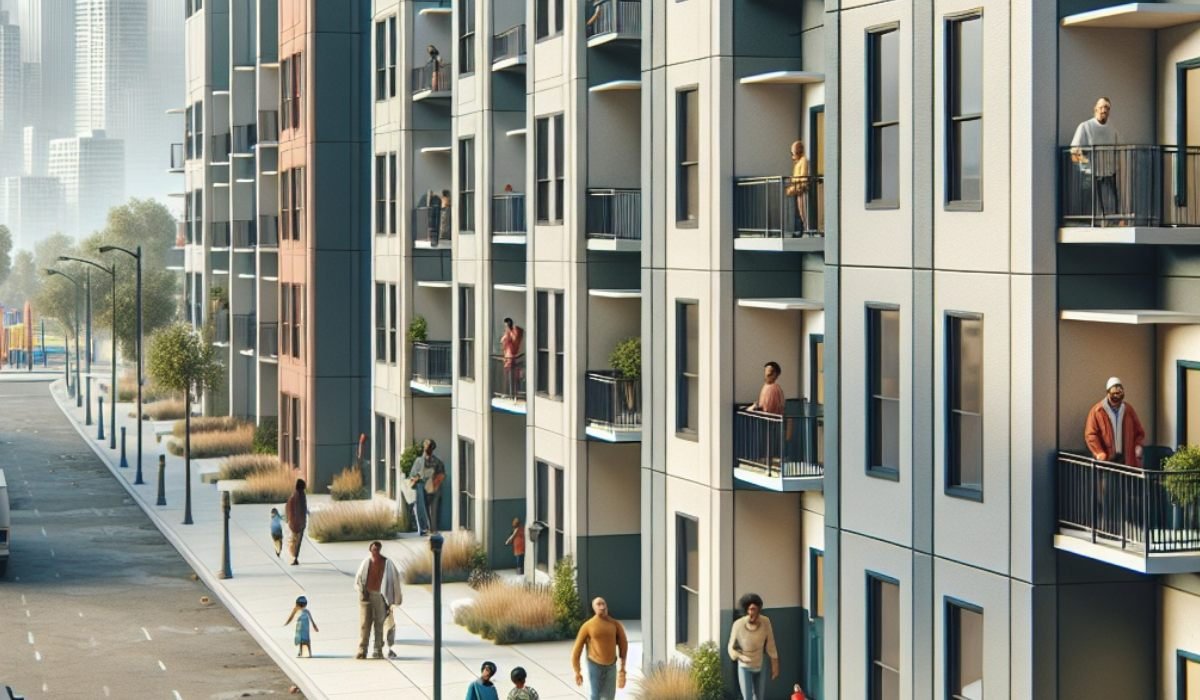

How to choose affordable Tier 2 housing options has become a critical question for homebuyers as prices in metro cities push middle income families toward emerging urban centres. Tier 2 cities now offer a balance of affordability, infrastructure growth, and employment access, but making the right housing choice requires structured evaluation rather than impulse buying.
This topic is evergreen and educational. The focus is on long term decision making rather than short term market movement.
Why Tier 2 Cities Are Attracting Affordable Housing Buyers
Tier 2 cities have gained momentum due to lower property prices, improving civic infrastructure, and expanding job opportunities. Cities such as Indore, Nagpur, Coimbatore, Surat, Kochi, and Bhubaneswar are seeing steady housing demand from salaried professionals, small business owners, and returning migrants.
Affordable housing in Tier 2 cities typically offers larger carpet areas at lower price points compared to metros. However, affordability should not be judged by base price alone. Buyers must factor in registration costs, maintenance charges, commute expenses, and future resale value. Understanding local demand drivers helps avoid investing in projects that remain stagnant.
Budget Planning and Loan Eligibility Assessment
The first step in choosing affordable Tier 2 housing options is realistic budget planning. Buyers should define a total budget including down payment, registration, stamp duty, interiors, and emergency buffer. Many first time buyers focus only on EMI affordability, which often leads to cash flow stress later.
Home loan eligibility depends on income stability, credit score, and existing liabilities. In Tier 2 markets, banks may fund a slightly lower percentage of property value compared to prime metro locations. Buyers should pre check loan approval before finalising a property to avoid last minute rejection or higher interest rates.
Location Selection Within the City Matters
Location selection plays a major role in long term affordability. Central areas may appear attractive but often come with older construction and limited expansion potential. Peripheral zones, upcoming corridors, and areas near planned infrastructure projects usually offer better value.
When evaluating Tier 2 city residential locations, buyers should assess road connectivity, public transport access, water supply, and proximity to hospitals and schools. Projects located near industrial zones or education hubs tend to hold value better. Avoid areas with unclear zoning or frequent civic complaints, even if pricing looks tempting.
Builder Credibility and Project Legality Checks
Builder reputation is critical in Tier 2 markets, where regulation enforcement can vary. Buyers should verify project approvals, land title clarity, and registration status before paying any booking amount. Affordable pricing should not come at the cost of legal uncertainty.
Checking previous projects delivered by the builder helps assess construction quality and delivery timelines. Delayed possession is a common risk in underfunded projects. Buyers should insist on written commitments and avoid cash transactions. Transparent documentation protects long term ownership value.
Comparing Ready to Move and Under Construction Homes
Choosing between ready to move and under construction homes affects affordability differently. Ready homes eliminate rent plus EMI burden and allow immediate usage. However, they usually cost more upfront.
Under construction properties offer lower entry prices and flexible payment plans, making them popular among young buyers. The risk lies in project delays and cost escalation. Buyers with stable housing arrangements and longer investment horizons may benefit from under construction options, while end users needing immediate possession should prioritise ready homes.
Maintenance Costs and Long Term Living Expenses
Affordable housing does not end at purchase price. Monthly maintenance charges, property tax, parking fees, and utility costs impact long term affordability. Gated communities with amenities may charge higher maintenance, which adds up over time.
Buyers should evaluate whether amenities align with actual usage. Paying for facilities that remain unused reduces affordability. In Tier 2 cities, smaller communities with essential services often provide better cost efficiency without compromising quality of life.
Resale Potential and Exit Strategy
Even if buying for self use, resale potential should not be ignored. Affordable Tier 2 housing options located in growing corridors offer better exit value. Properties near upcoming transport projects or employment hubs attract future demand.
Avoid highly saturated micro markets with excessive supply. Limited inventory in well planned locations tends to appreciate steadily. Clear resale prospects protect buyers against unforeseen financial needs or relocation requirements.
Takeaways
Tier 2 housing affordability depends on total cost, not just property price.
Location and builder credibility directly impact long term value.
Loan readiness prevents budget shocks during the buying process.
Low maintenance homes often offer better affordability over time.
FAQ
Are Tier 2 city homes a good option for first time buyers?
Yes. Lower entry prices, larger space, and improving infrastructure make Tier 2 cities suitable for first time buyers.
Is under construction housing safe in Tier 2 cities?
It can be safe if the builder has a strong track record and the project has clear approvals and funding visibility.
How much down payment is usually required for Tier 2 housing?
Typically 10 to 20 percent of the property value, depending on lender policies and buyer profile.
Do Tier 2 properties appreciate slower than metro properties?
Appreciation may be steadier rather than rapid, but well located Tier 2 properties often outperform inflated metro markets over time.