

Converting a petrol scooter into an electric vehicle is becoming a practical option in India, especially in Tier-2 cities. This guide explains the cost, process, legal requirements, and whether conversion is a better choice than buying a new electric scooter.
The process to convert your scooter into an electric vehicle has gained traction due to rising fuel costs and growing EV adoption. Many vehicle owners are now exploring conversion kits as a cost-effective alternative to buying a new electric scooter.
Understanding Electric Scooter Conversion Kits in India
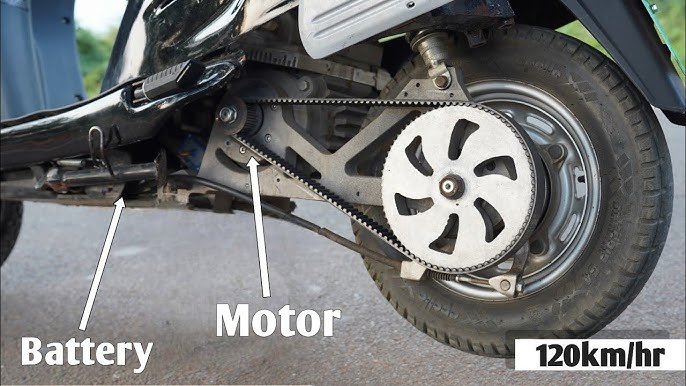
Electric vehicle conversion kits are designed to replace the internal combustion engine of a scooter with an electric motor and battery system. These kits typically include a motor, controller, battery pack, throttle, wiring, and mounting components.
In India, only certified kits approved under regulatory guidelines are permitted for road use. Unauthorized modifications can lead to penalties and registration issues. Approved kits are tested for safety, performance, and compatibility with specific scooter models.
For common models like Activa or Access, compatible kits are widely available, making conversion easier in Tier-2 markets where these scooters dominate.
Step-by-Step Process to Convert Your Petrol Scooter
The conversion process starts with removing the engine, fuel tank, and exhaust system. These components are replaced with an electric motor mounted on the wheel or chassis.
Next, the battery pack is installed, usually under the seat or footboard, depending on design. The controller and wiring system are connected to manage power flow between battery and motor.
A new throttle system replaces the traditional accelerator mechanism. Once installed, the system is tested for functionality, including acceleration, braking integration, and battery performance.
The entire process typically takes one to three days when done by an experienced technician.
Cost of Converting a Scooter into an Electric Vehicle
The cost of conversion varies depending on battery capacity, motor power, and kit quality. On average, conversion costs in India range between ₹25,000 to ₹50,000.
Lithium-ion batteries increase the cost but offer better range and longer life compared to lead-acid batteries. A higher capacity battery provides more range but also adds to the upfront cost.
While the initial investment may seem high, running costs are significantly lower. Electricity costs per kilometer are much lower than petrol, making conversion economical over time.
Legal Rules and RTO Approval for Converted EVs
Converting a scooter into an electric vehicle requires compliance with transport regulations. Only kits approved by authorized agencies can be used for legal road operation.
After conversion, the vehicle must be inspected and updated in registration records to reflect its electric status. This ensures that the vehicle remains compliant with insurance and road safety norms.
In many states, workshops offering conversion services assist with documentation and approval processes. Skipping this step can result in fines or vehicle seizure.
Performance and Range After Conversion
Performance after conversion depends on the motor and battery used. Most converted scooters offer speeds between 40 to 60 km per hour, suitable for city commuting.
Range typically varies from 50 to 100 kilometers per charge. For daily use in Tier-2 cities, this range is sufficient for office commutes, errands, and local travel.
Charging time depends on battery type and charger capacity. Standard charging usually takes 3 to 5 hours. Fast charging options may reduce this time but are not available in all kits.
Advantages of Converting Instead of Buying New EV
One of the biggest advantages is cost savings. Converting an existing scooter is often cheaper than purchasing a new electric vehicle.
It also extends the life of your current vehicle, reducing waste and promoting sustainability. Owners familiar with their scooter may prefer upgrading rather than replacing it.
In smaller cities, where EV dealerships may be limited, conversion offers a practical entry point into electric mobility.
Challenges and Limitations to Consider
Despite the benefits, conversion has limitations. Warranty support may be limited compared to new electric scooters. Battery replacement costs after a few years can also be significant.
Resale value of converted vehicles may not be as strong as factory-built EVs. Additionally, performance may not match that of high-end electric scooters designed from the ground up.
Availability of certified service centers can also be a concern in some regions, making maintenance dependent on local technicians.
Takeaways
Electric scooter conversion is a cost-effective alternative to buying new EVs
Approved conversion kits are mandatory for legal road use in India
Typical conversion cost ranges between ₹25,000 and ₹50,000
Range and performance are suitable for daily city commuting needs
FAQs
Is it legal to convert a petrol scooter into an electric vehicle?
Yes, but only if you use government-approved conversion kits and update registration details.
How much does it cost to convert a scooter into EV?
The cost usually ranges from ₹25,000 to ₹50,000 depending on battery and kit quality.
What is the range of a converted electric scooter?
Most converted scooters offer a range of 50 to 100 kilometers per charge.
Is conversion better than buying a new electric scooter?
It depends on budget and usage. Conversion is cheaper, but new EVs may offer better performance and warranty support.