
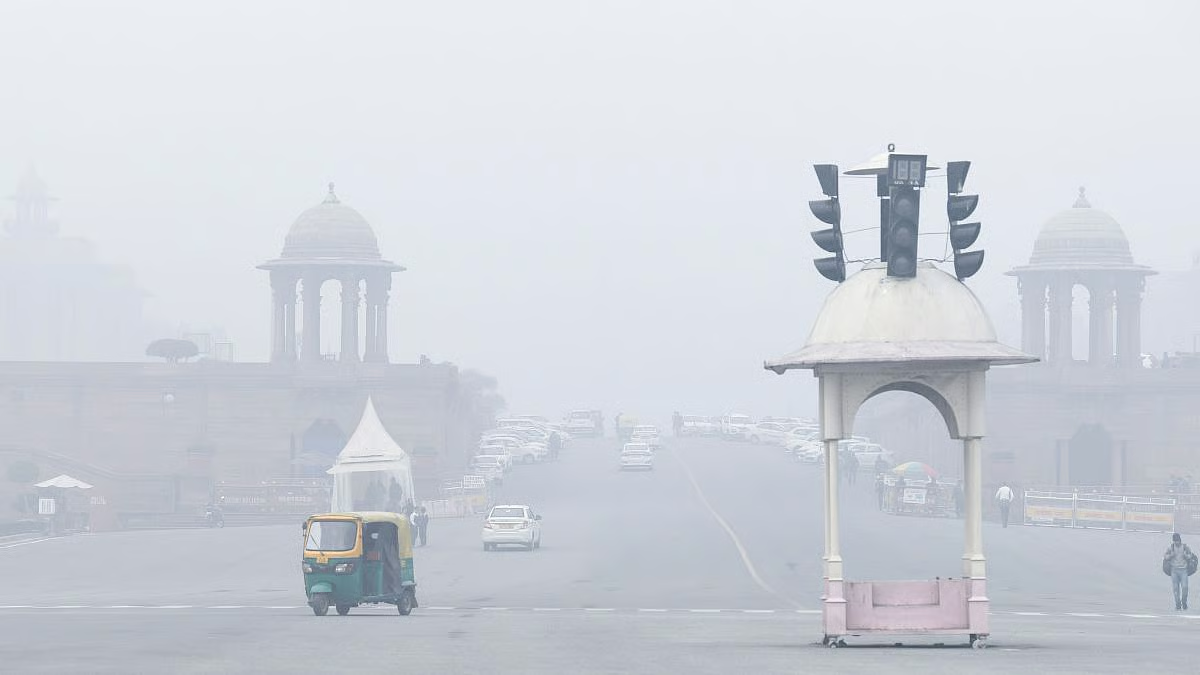

A cold wave and dense fog alert across North and Central India directly affects road safety, train movement, and personal health. Knowing how to adapt travel plans and daily routines during these conditions reduces accident risk and prevents weather-related illness.
Cold waves accompanied by dense fog are common during peak winter months in states such as Uttar Pradesh, Madhya Pradesh, Rajasthan, Haryana, Punjab, Bihar, and parts of Delhi NCR. These conditions sharply reduce visibility, slow transport networks, and increase health risks for children, elderly people, and outdoor workers. Travel disruptions and accidents typically rise during early morning and late night hours, making preparedness essential rather than optional.
Understand Cold Wave and Dense Fog Risks Before Travel
Cold wave conditions occur when temperatures fall significantly below seasonal averages, often combined with cold winds. Dense fog reduces visibility to a few meters, making roads and railway signals harder to see. Together, they create a high-risk travel environment.
Drivers often underestimate fog density, leading to overspeeding and delayed braking. Train passengers face delays due to reduced signal visibility and slower speeds mandated for safety. Flights may also be delayed or diverted in severe fog zones. Understanding these risks helps travelers plan realistic timelines and avoid unnecessary exposure.
Before stepping out, check local weather alerts and visibility updates specific to your district. Conditions can vary widely between urban centers and nearby rural highways, especially near rivers, fields, and low-lying areas.
Road Safety Tips for Driving in Fog and Extreme Cold
Road travel during dense fog requires disciplined driving habits. Use low-beam headlights or fog lamps instead of high beams, which reflect light back and reduce visibility further. Maintain a safe following distance, as braking distances increase on cold and damp roads.
Avoid sudden lane changes and overtaking, particularly on highways and state roads passing through open farmland. Fog tends to be thicker near water bodies and fields, where visibility can drop abruptly. Keep windows slightly open to prevent windshield fogging from inside.
Two-wheeler riders should wear reflective clothing and ensure helmets have clear visors. Cold winds increase fatigue and reduce reaction time. If visibility drops to unsafe levels, pull over at a safe spot away from moving traffic and wait for conditions to improve.
Train Travel During Cold Wave and Fog Conditions
Train services across North and Central India often operate under fog protocols during winter. Reduced speeds, rescheduled departures, and delayed arrivals are common. Passengers should plan for buffer time, especially for long-distance travel and early morning departures.
Confirm train status before leaving for the station rather than relying on scheduled times. Dense fog can cause cascading delays across rail networks. Keep warm clothing accessible, as platform waiting times may extend.
For overnight journeys, secure luggage properly and keep essential items close. Cold wave conditions can lower compartment temperatures, particularly in non-air-conditioned coaches. Elderly passengers and children should be seated away from doorways to avoid cold drafts.
Health Precautions While Traveling in Cold Weather
Cold waves pose health risks beyond discomfort. Prolonged exposure increases chances of hypothermia, respiratory infections, joint pain, and aggravation of heart and lung conditions. Travelers should dress in layers rather than relying on a single heavy garment.
Cover the head, ears, hands, and feet, as heat loss is highest from extremities. Avoid early morning outdoor activity if unnecessary, especially for elderly individuals. Warm fluids help maintain body temperature and hydration.
People with asthma, chronic bronchitis, or heart conditions should carry prescribed medication at all times. Sudden cold exposure can trigger breathing difficulty or chest discomfort. Avoid smoking or alcohol consumption during travel, as both impair the body’s ability to regulate temperature.
Planning Travel Timing and Routes Strategically
Timing plays a critical role in safe winter travel. Fog is usually densest between late night and early morning hours. Whenever possible, schedule road journeys for late morning or early afternoon when visibility improves.
Choose routes with better lighting, divided lanes, and regular traffic flow. Avoid shortcuts through isolated rural roads during foggy conditions. Inform family members about travel plans and expected arrival times.
For commercial drivers and daily commuters, regular breaks are important. Cold conditions increase fatigue, reducing alertness. Short rest intervals help maintain focus and reduce accident risk.
What to Do During Emergencies or Delays
Unexpected delays and breakdowns are more stressful during cold waves. Keep emergency contact numbers saved and carry a fully charged mobile phone with a power bank. Basic supplies such as water, snacks, and a blanket can make long waits safer and more comfortable.
If stranded on a highway, remain inside the vehicle with hazard lights on. Stepping out in dense fog increases the risk of being hit by oncoming traffic. Use reflectors or warning triangles if available.
During extended train delays, stay informed through official announcements and avoid crowding near train doors. Patience and awareness reduce the risk of slips, falls, and cold exposure injuries.
Takeaways
Dense fog significantly increases road and rail accident risk during winter travel
Adjusting travel timing and speed is more effective than rushing through fog
Layered clothing and health precautions prevent cold-related illnesses
Planning routes and buffer time reduces stress during transport delays
FAQs
Is it safe to drive during dense fog conditions?
Driving is possible with caution, reduced speed, proper lighting, and increased following distance, but unnecessary travel should be avoided during very low visibility.
Why do trains run late during cold waves?
Reduced visibility affects signal reading and track safety, requiring trains to operate at lower speeds to prevent accidents.
Who is most at risk during cold wave travel?
Elderly people, children, outdoor workers, and individuals with heart or respiratory conditions face higher health risks.
Does alcohol help keep the body warm during cold travel?
Alcohol gives a false sense of warmth and actually increases heat loss, making it unsafe during cold wave conditions.