
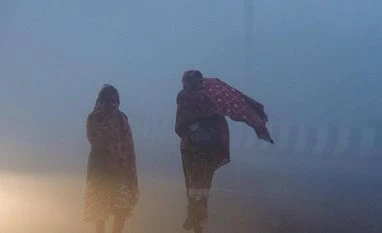

Dense fog and cold wave alerts issued by IMD regularly impact North India during winter, affecting travel, health, and daily routines. This guide explains how to interpret IMD weather warnings for fog and cold waves, assess real-world risks, and take practical safety steps without confusion or panic.
Understanding IMD Weather Warnings and Alert Levels
IMD weather warnings are informational and advisory in nature, designed to help citizens and authorities prepare for adverse conditions. When IMD issues fog or cold wave warnings, they usually fall under color-coded alerts such as yellow, orange, or red. Yellow indicates conditions that need awareness, orange signals potential disruptions requiring preparedness, and red is issued when severe impact is likely. Fog warnings typically focus on visibility levels, while cold wave alerts are based on temperature departures from normal and wind chill factors. For North India, dense fog warnings often indicate visibility below 50 meters, which directly affects road, rail, and air travel. Cold wave warnings are triggered when minimum temperatures drop significantly below seasonal averages, especially in plains where such drops are less common.
How to Read Fog Forecasts and Visibility Bulletins
Fog-related IMD updates usually include timing windows such as early morning hours, duration estimates, and intensity. Understanding visibility numbers is critical. Visibility above 500 meters generally allows normal travel with caution, while visibility below 200 meters increases accident risk sharply. Dense fog below 50 meters can bring highways to a standstill. IMD also differentiates between shallow fog, moderate fog, and dense fog. Retail workers, drivers, and commuters in Tier-2 and Tier-3 cities should check hourly forecasts rather than daily summaries, as fog conditions change rapidly with temperature and wind shifts. Railway and airport advisories often align closely with IMD visibility bulletins, making these updates especially relevant for intercity travel.
Cold Wave Alerts and What They Mean for Daily Life
Cold wave warnings go beyond discomfort and have real health and infrastructure implications. In North India, cold waves can increase cases of hypothermia among the elderly, outdoor workers, and homeless populations. IMD cold wave alerts consider both absolute temperature and deviation from normal. For example, a temperature of 6 degrees Celsius may not trigger a warning in hilly regions but can qualify as a cold wave in plains. Frost risk advisories are also sometimes included, which matter for agriculture and water pipelines. Urban households should pay attention to night-time minimum temperatures, as that is when cold-related health risks peak.
Travel Safety Tips During Fog Conditions
Travel during fog requires adjustment, not panic. Road travelers should delay non-essential trips during peak fog hours, typically between midnight and 9 am. Use low beam headlights or fog lamps instead of high beams, which reflect light and reduce visibility. Maintain greater following distance and avoid sudden braking. For train passengers, expect delays and plan buffer time rather than changing routes impulsively. Flight passengers should track airport-specific advisories, as fog conditions vary sharply between cities. Bus operators in smaller cities often adjust departure timings based on IMD bulletins, making local updates more reliable than national summaries.
Health and Home Safety During Cold Waves
Cold waves increase strain on respiratory and cardiovascular systems. Wearing layered clothing traps heat better than a single thick garment. Indoor heating should be used carefully, ensuring ventilation to avoid carbon monoxide buildup. Early morning exposure should be minimized for children and elderly individuals. Water pipes in colder districts may freeze during prolonged cold waves, so slow dripping taps at night can prevent damage. Power consumption often spikes during cold waves, so households should prepare for occasional outages by keeping emergency lighting and charged devices ready.
Using Weather Alerts for Work and School Planning
IMD warnings help institutions plan closures or delayed openings. Schools in North India often adjust timings during cold wave spells, while construction and outdoor labor schedules may be modified. For self-employed workers and small businesses, especially in Tier-2 and Tier-3 cities, aligning operating hours with weather severity reduces health risks and productivity loss. Retailers can plan deliveries after fog lifts, while logistics operators use IMD updates to reroute or reschedule shipments. Treat alerts as planning tools rather than last-minute news.
Avoiding Misinformation and Overreaction
One common mistake is reacting to viral weather messages instead of verified IMD alerts. Fog and cold wave intensity varies block by block, and exaggerated claims can cause unnecessary disruption. Always rely on official forecasts and local administration updates rather than forwarded messages. Another mistake is ignoring yellow alerts, which often precede more severe conditions. Early awareness allows gradual adjustments instead of emergency responses.
Takeaways
- IMD fog and cold wave warnings are advisory tools meant for preparation, not panic
- Visibility levels and minimum temperatures matter more than generic weather descriptions
- Travel safety depends on timing, lighting use, and realistic delay planning
- Health risks during cold waves increase at night and early morning
FAQs
How often does IMD update fog and cold wave warnings?
IMD typically updates forecasts multiple times a day, with short-range updates becoming more frequent during severe conditions.
Is dense fog more dangerous than a cold wave?
Both pose risks, but dense fog has immediate accident risks while cold waves have longer-term health impacts.
Should travel plans be cancelled during yellow alerts?
Yellow alerts do not require cancellation but demand caution and flexible scheduling.
Do IMD warnings apply uniformly across a state?
No, warnings are district-specific and conditions can vary significantly within short distances.