
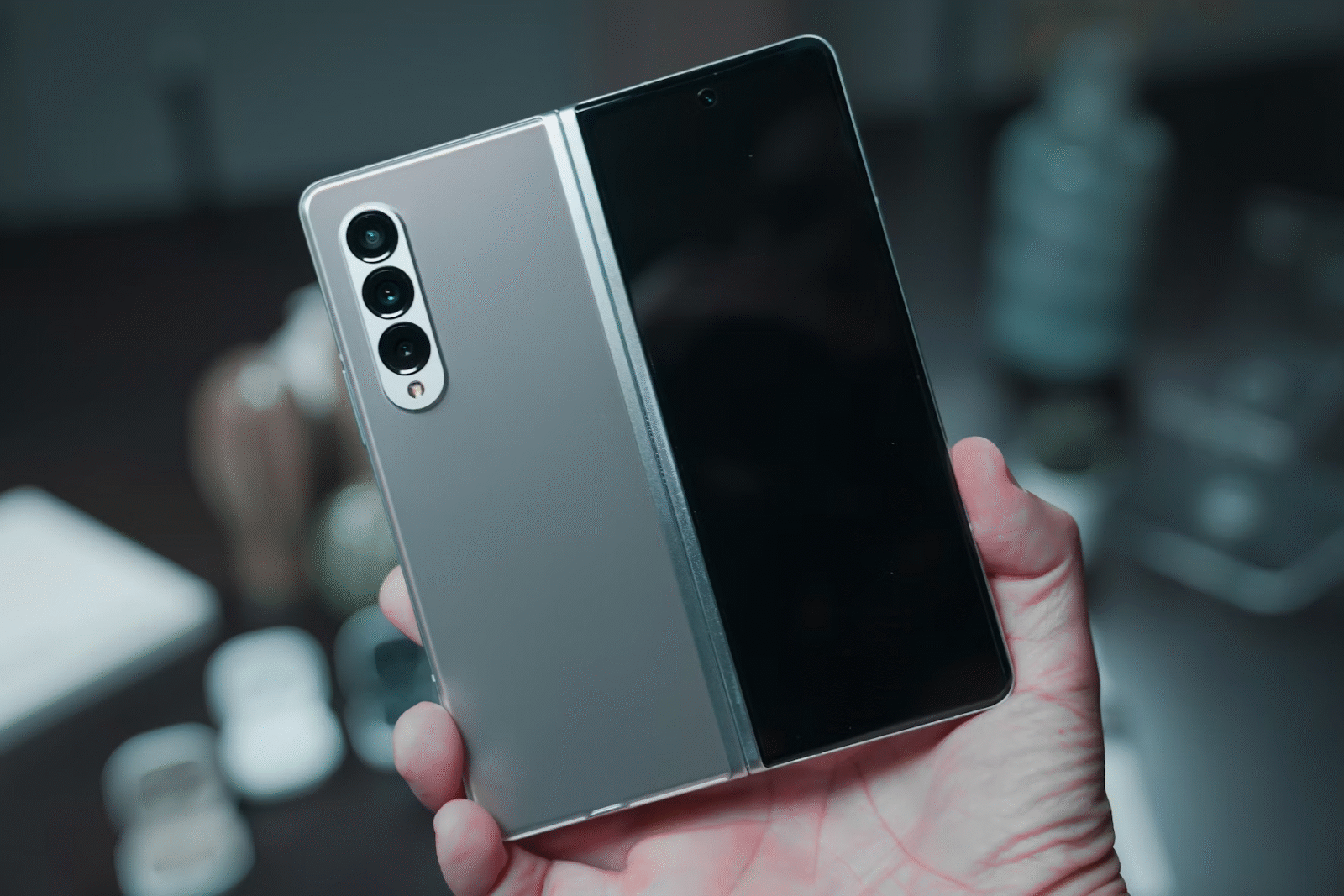

Choosing the best 5G smartphone under ₹30,000 this season requires balancing performance, camera quality, software support, and long term value. With multiple brands launching competitive models, buyers need a clear evaluation framework rather than chasing headline specifications or short term discounts.
This topic is evergreen and educational. The approach below focuses on practical decision making based on current market standards rather than launch hype.
Start With the Right 5G Performance Expectations
The first filter for selecting a 5G smartphone under ₹30,000 should be processor capability and network support. At this price point, phones are powered by upper mid range chipsets designed for sustained daily use, gaming, and multitasking.
Look for processors built on efficient fabrication processes, as they deliver better thermal control and battery efficiency. Support for multiple 5G bands is essential, especially for Indian networks rolling out across urban and semi urban regions. Phones that support both standalone and non standalone 5G offer better future readiness.
Avoid models that compromise performance for design. A premium finish does not compensate for frame drops during gaming or lag after long usage cycles.
Display Quality Matters More Than Resolution Numbers
Display quality plays a major role in day to day experience, yet many buyers focus only on resolution. Under ₹30,000, AMOLED panels are now standard and should be non negotiable.
Refresh rate is critical for smooth scrolling and gaming. A 120Hz display is ideal, but panel quality, brightness levels, and color tuning matter equally. Outdoor visibility is especially important for users in Tier 2 and Tier 3 cities where sunlight conditions vary widely.
Check for HDR support only if you consume a lot of streaming content. Flat displays are often more durable and less prone to accidental touches than curved panels in this segment.
Camera Systems Should Be Judged by Consistency
Smartphone cameras under ₹30,000 can deliver excellent results, but only when expectations are realistic. A high megapixel count alone does not guarantee better photos.
Primary camera performance in daylight and low light should be the priority. Optical image stabilization adds significant value, especially for night photography and video stability. Ultra wide cameras are useful, while macro sensors add limited real world benefit.
Video capabilities matter for content creators and casual vloggers. Look for stable 4K recording and reliable autofocus rather than gimmicky modes.
Battery Life and Charging Speed Define Daily Convenience
Battery performance is a key differentiator in this price bracket. Most phones offer large batteries, but optimization determines actual screen on time.
A phone that delivers a full day of mixed usage without anxiety is more valuable than one that needs mid day charging. Fast charging support is important, but proprietary charging standards may require specific adapters or cables.
Wireless charging is rare under ₹30,000 and should not be a deciding factor. Focus instead on consistent battery health and thermal management during charging.
Software Experience and Update Policy Should Not Be Ignored
Software quality directly affects how a phone ages. Clean interfaces with minimal preinstalled apps tend to perform better over time.
Check the brand’s update policy. Security updates and Android version upgrades extend device lifespan. Phones that promise at least two major Android updates and regular security patches offer better long term value.
Features like call recording options, system level spam protection, and customization tools add practical utility for Indian users.
Build Quality and After Sales Support Matter Long Term
Durability often gets overlooked during online comparisons. Gorilla Glass protection, water resistance ratings, and solid frame construction help phones survive daily wear.
After sales service availability in Tier 2 and Tier 3 cities is equally important. Brands with wider service networks reduce downtime and repair uncertainty.
Warranty policies and repair part availability should influence your final decision, especially if the phone is intended for long term use.
How to Shortlist the Final Options
Once specifications are evaluated, shortlist three models that meet your core needs. Compare real world reviews focusing on long term performance rather than first impressions.
Avoid buying purely based on discounts. A slightly more expensive but better supported phone often costs less over time.
Prioritize reliability, balanced performance, and brand trust over experimental features.
Takeaways
Focus on processor efficiency and 5G band support for long term performance
Choose display quality and brightness over raw resolution numbers
Camera consistency matters more than megapixel counts
Software updates and service network impact long term value
FAQs
Is 5G really useful under ₹30,000 phones
Yes. Mid range 5G phones now support stable speeds and are future ready as networks expand.
Which matters more, processor or camera
For most users, processor stability affects daily experience more than camera hardware.
Should I wait for new launches this season
Only if your current phone works fine. Incremental upgrades are common, not radical changes.
Are online exclusive models safe to buy
Yes, as long as the brand has reliable service centers in your area.