
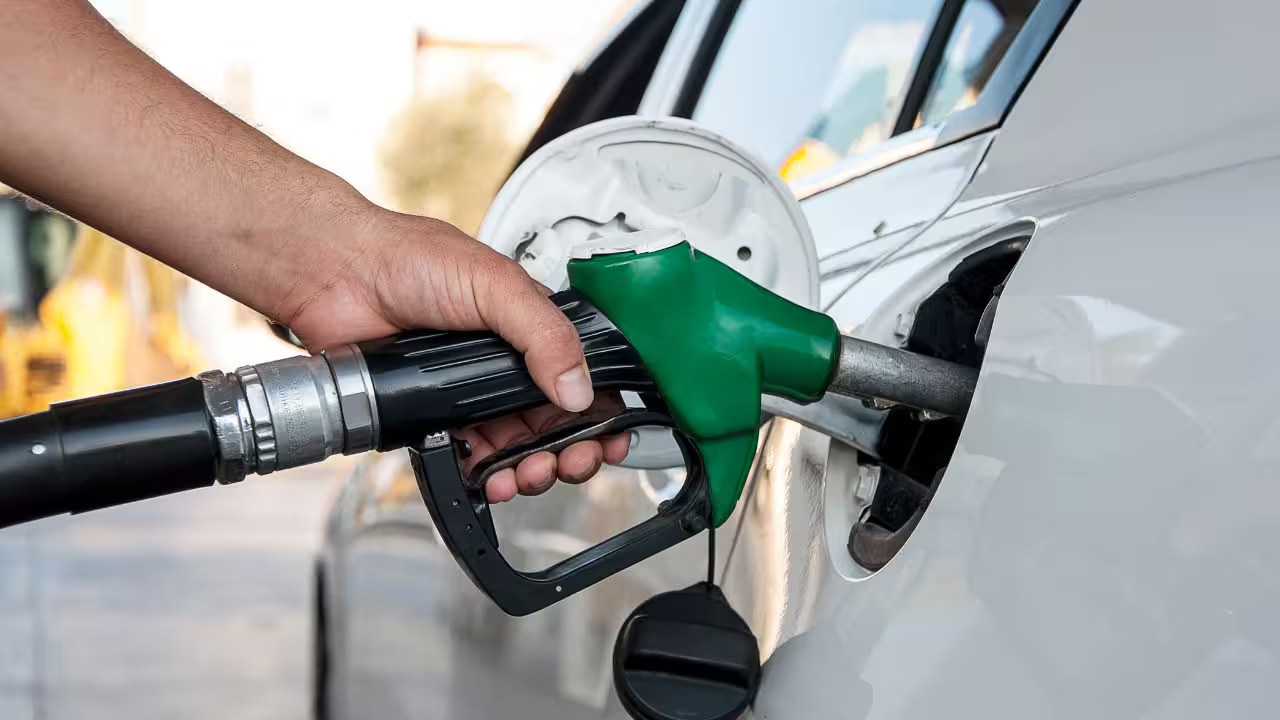

Fuel prices in India remain high despite global crude oil fluctuations, making it essential for consumers to adopt smarter usage strategies. This guide explains practical, real-world methods to reduce petrol expenses without compromising daily mobility.
The topic is time-sensitive with an evergreen utility angle, as fuel prices continue to stay elevated in India even when global crude prices show moderation.
Why Petrol Prices Stay High in India Despite Global Drops
How to save money on petrol becomes relevant when consumers notice that domestic fuel prices do not always fall in line with global crude oil trends. In India, petrol prices are influenced by multiple factors including central and state taxes, dealer commissions, and currency exchange rates.
Even if global crude prices decline, taxes make up a significant portion of retail fuel prices. This is why consumers often see limited relief at the pump. In cities like Nagpur, Indore, or Jaipur, petrol prices remain consistently high due to local taxation structures.
Understanding this pricing structure helps consumers focus on controllable factors such as consumption and efficiency rather than expecting frequent price cuts.
Optimize Driving Habits to Reduce Fuel Consumption
One of the most effective ways to save petrol is by improving driving behavior. Small changes in driving patterns can significantly impact fuel efficiency.
Avoid rapid acceleration and sudden braking, as these habits increase fuel burn. Maintaining a steady speed, especially between 40 to 60 km per hour in city conditions, improves mileage.
Switching off the engine during long traffic signals also helps. In urban areas with frequent stops, idling can waste a noticeable amount of fuel over time.
Using the correct gear is another key factor. Driving in lower gears for extended periods leads to higher fuel consumption.
Vehicle Maintenance Tips for Better Mileage
Regular vehicle maintenance directly impacts fuel efficiency. Poorly maintained vehicles tend to consume more petrol.
Ensure tyre pressure is maintained at recommended levels. Underinflated tyres increase resistance and reduce mileage. This is particularly important in hot weather conditions common across central India.
Engine servicing, timely oil changes, and clean air filters also contribute to better performance and fuel economy. Even minor neglect in maintenance can lead to a gradual increase in fuel costs.
Using manufacturer-recommended engine oil improves efficiency and reduces long-term expenses.
Smart Fuel Buying Strategies That Actually Work
Consumers can adopt smarter fuel purchasing habits to reduce costs over time.
Refuel during early morning or late evening hours when temperatures are lower. Petrol density is slightly better in cooler conditions, which can offer marginal value benefits.
Avoid topping up fuel frequently in small quantities. Instead, plan refueling strategically to reduce multiple trips to petrol pumps.
Loyalty programs offered by fuel stations and credit card cashback offers can also help offset costs. Many banks and digital wallets provide small but consistent savings on fuel purchases.
Tracking fuel consumption weekly can also help identify unnecessary usage patterns.
Alternative Transport Options to Cut Petrol Expenses
Reducing dependency on personal vehicles is one of the most effective long-term strategies.
Carpooling with colleagues or using ride-sharing services can significantly cut daily fuel expenses. In Tier-2 cities, shared commuting is becoming more common due to rising fuel costs.
Public transport options such as buses or metro services, where available, provide a cost-effective alternative for regular travel.
For short distances, switching to two-wheelers or even bicycles can reduce fuel consumption drastically.
Work from home or hybrid work models also contribute to lower monthly fuel expenses when implemented consistently.
Technology and Tools That Help Monitor Fuel Usage
Digital tools can help users track and optimize fuel consumption.
Mobile apps that monitor mileage and fuel expenses provide insights into spending patterns. These tools allow users to calculate cost per kilometer and identify inefficiencies.
Navigation apps like Google Maps help avoid traffic congestion, reducing unnecessary fuel usage during peak hours.
Modern vehicles also come with built-in fuel efficiency indicators, which can guide drivers toward better habits.
Using technology to make data-driven decisions can lead to measurable savings over time.
Takeaways
• Petrol prices remain high due to taxes and local factors despite global crude drops
• Efficient driving habits can significantly reduce fuel consumption
• Regular vehicle maintenance improves mileage and lowers costs
• Smart commuting and digital tools help optimize fuel usage
FAQs
Why are petrol prices high in India even when crude oil prices fall?
High taxes and additional costs like dealer commissions keep retail fuel prices elevated.
What is the easiest way to save petrol daily?
Driving smoothly, avoiding sudden acceleration, and maintaining steady speed can reduce fuel usage.
Does vehicle maintenance really affect fuel consumption?
Yes, proper maintenance such as tyre pressure and engine servicing directly improves mileage.
Are fuel cashback offers useful?
They provide small but consistent savings and can reduce overall fuel expenses over time.