
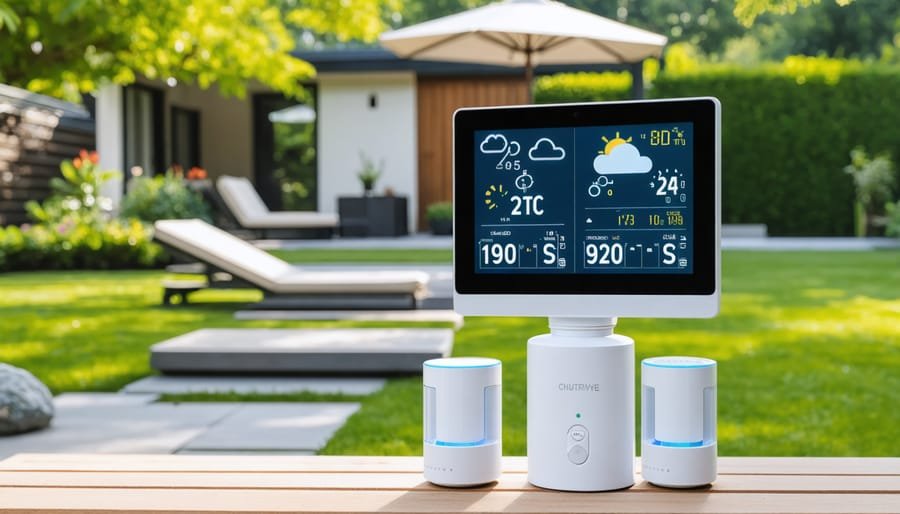

Setting up affordable home weather alerts helps families in Tier 2 and Tier 3 cities respond faster to rain, heatwaves, cold waves, and storms. With timely IMD alerts through SMS and mobile apps, households can reduce risk, plan daily routines, and avoid sudden weather related disruptions.
Weather extremes are no longer limited to coastal metros or major cities. Smaller towns and semi urban regions now face sudden heavy rainfall, heat stress, fog, and lightning events. Many households still depend on word of mouth or television updates, which often arrive late. Government backed alert systems and free mobile apps now make it possible to receive verified weather warnings directly on basic smartphones, without expensive subscriptions or advanced devices.
Why Home Weather Alerts Matter for Tier 2 and Tier 3 Cities
Tier 2 and Tier 3 cities often face higher weather vulnerability due to weaker drainage, limited emergency infrastructure, and slower response systems. A short delay in information can lead to flooded homes, crop loss, power disruptions, or unsafe travel.
Home weather alerts provide early warnings that allow families to prepare in advance. Farmers can protect crops and equipment. Shop owners can secure inventory. Parents can adjust school travel plans. Daily wage workers can plan safer work hours. The value lies not in prediction accuracy alone, but in receiving alerts early enough to act.
Government issued alerts based on IMD data are especially important because they are district specific and verified. This reduces panic caused by exaggerated or false social media messages.
Understanding IMD Alerts and Warning Levels
The India Meteorological Department issues alerts using a color coded system that reflects severity and required action. Yellow alerts indicate potentially disruptive weather that requires awareness. Orange alerts signal the need for preparedness and caution. Red alerts warn of extreme weather requiring immediate action.
These alerts are issued at district and sub district levels, making them more relevant than national forecasts. IMD updates are released multiple times a day during active weather periods. Alerts cover rainfall, heatwaves, cold waves, fog, thunderstorms, lightning, and cyclonic activity.
Understanding these levels helps households respond correctly. Overreacting to low risk alerts causes fatigue, while ignoring higher level warnings can lead to avoidable damage.
How to Receive IMD Alerts Through SMS Services
SMS based weather alerts are one of the most affordable options for households with limited internet access. These alerts work on basic feature phones and do not require mobile data.
Many telecom linked public alert systems automatically send weather warnings to registered numbers during severe conditions. To ensure coverage, users should keep their mobile numbers active and avoid blocking service messages.
Some state disaster management authorities also provide opt in SMS alert services. These messages typically include district level warnings and safety instructions. Keeping at least one family member subscribed ensures alerts are received even during power or internet outages.
Best Free Mobile Apps for Weather Alerts in India
Smartphone users can access IMD based alerts through official and partner apps designed for Indian conditions. These apps provide location specific forecasts, warnings, and real time updates.
When installing a weather alert app, allow location access for accurate district mapping. Disable unnecessary notifications and keep only severe weather alerts enabled to avoid alert fatigue.
Most apps allow users to track multiple locations. This is useful for families with members working in nearby towns or villages. Apps also provide hourly forecasts, rainfall predictions, and temperature trends, helping households plan travel and outdoor activities.
Step by Step Setup for Reliable Weather Notifications
Start by installing one official weather app and enabling push notifications. Choose alert types relevant to your region such as heavy rain, heatwave, cold wave, or lightning.
Next, ensure your phone battery optimization settings do not restrict the app. Many alerts fail to appear because background notifications are blocked.
For SMS alerts, verify that your phone can receive service messages and that storage space is not full. Keep emergency contacts informed that you rely on weather alerts so information can be shared quickly within the household.
Test your setup by checking whether alerts appear during routine forecast updates. This confirms that permissions and settings are working correctly.
Using Weather Alerts for Daily Decision Making
Weather alerts are most effective when integrated into daily routines. Use rainfall warnings to move vehicles to higher ground. Use fog alerts to delay early morning travel. Use heatwave alerts to adjust work hours and hydration routines.
Schools, small businesses, and community groups can designate one person to monitor alerts and inform others. This creates a local information chain that improves collective safety.
Do not rely on a single source. Combining one SMS alert system and one mobile app provides redundancy in case one channel fails.
Common Mistakes to Avoid While Using Weather Alerts
A common mistake is ignoring alerts due to frequent notifications. Customizing alert types prevents overload. Another issue is relying on unofficial apps or social media screenshots that exaggerate severity.
Some users uninstall apps after one false alarm. Weather systems are probabilistic, and alerts err on the side of caution. Consistent use over time delivers value.
Ignoring district boundaries is another mistake. Weather can vary significantly within short distances, making local alerts more reliable than city wide assumptions.
Takeaways
Home weather alerts help Tier 2 and Tier 3 households act before damage occurs
IMD based alerts are more reliable than social media forwards
SMS alerts work even without smartphones or mobile data
Combining apps and SMS improves reliability during emergencies
FAQs
Do weather alert apps cost money to use?
Most IMD based weather apps and SMS alert services are free and do not require paid subscriptions.
Can feature phones receive weather alerts?
Yes, SMS based alerts are designed to work on basic phones without internet access.
Why do I sometimes receive alerts but no weather impact occurs?
Alerts are issued based on probability and safety. Conditions may weaken locally even if alerts remain active.
How accurate are district level weather alerts?
District level alerts are more accurate than national forecasts, but weather patterns can still vary within short distances.