

Setting up weather alerts for Western Disturbances affecting North India helps residents, students, farmers, and travelers prepare for sudden rain, temperature drops, fog, or snowfall. This tutorial explains practical methods to track alerts accurately using official data, mobile tools, and location specific settings.
Weather alerts for Western Disturbances are especially important during winter and early spring months in North India. These systems originate outside the Indian region and can quickly change weather conditions across states like Punjab, Haryana, Rajasthan, Delhi NCR, Himachal Pradesh, Uttarakhand, and western Uttar Pradesh. The intent of this topic is evergreen and informational, with a clear how to focus.
Understanding Western Disturbances and Their Impact
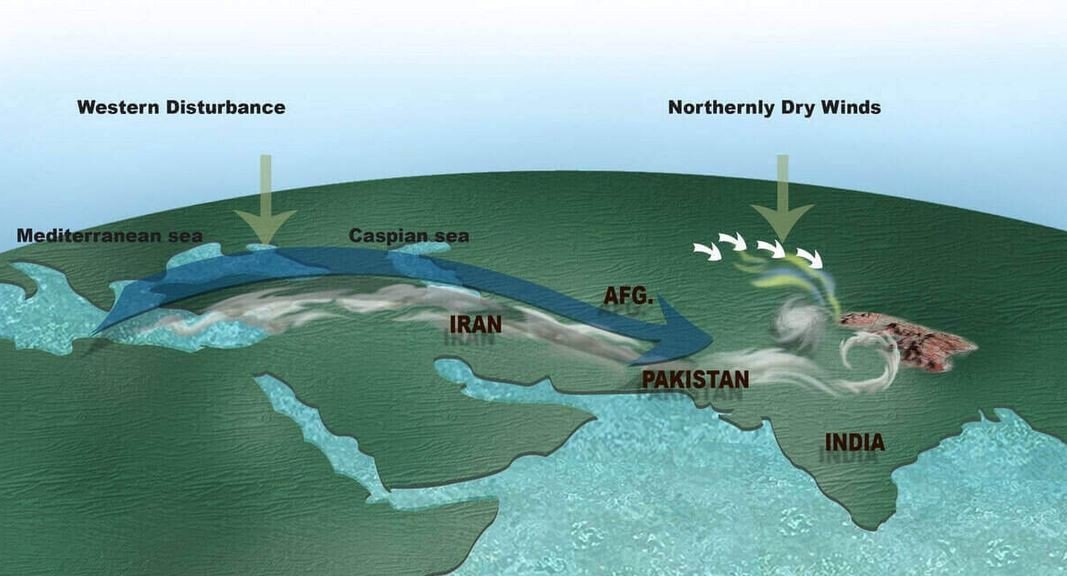
Western Disturbances are weather systems that travel from the Mediterranean region toward the Indian subcontinent. When they interact with local atmospheric conditions, they bring rain, snowfall, thunderstorms, and cold waves to North India.
These systems are responsible for winter rainfall in plains and snowfall in hill regions. They affect daily life by disrupting travel, delaying exams, damaging crops, and increasing fog related accidents. For urban residents, they can cause sudden temperature drops and air quality fluctuations.
Because Western Disturbances do not follow fixed schedules, alerts are more reliable than general forecasts. Alerts focus on probability, intensity, and timing, which helps people make short term decisions.
Choosing Reliable Weather Alert Sources
The first step in setting up effective weather alerts is choosing reliable sources. Official meteorological agencies provide the most accurate and timely warnings. These agencies issue region specific alerts based on satellite data, ground observations, and weather models.
Private weather platforms also offer alerts, but users should ensure the app or service provides India focused forecasting rather than generic global data. Alerts should specify rainfall intensity, snowfall probability, cold wave warnings, or fog advisories.
For North India, it is important that alerts cover district or city level updates rather than only state level forecasts. This improves relevance and reduces false alarms.
Setting Weather Alerts on Smartphones
Most smartphones allow users to enable weather alerts through built in weather apps or system notifications. Users should first enable location services and allow the weather app to access precise location data.
Within the app settings, users should turn on severe weather notifications, rain alerts, and temperature drop warnings. Some apps allow customization based on alert type, such as heavy rain, thunderstorms, or snowfall.
For people living near hill regions or flood prone areas, enabling repeated alerts rather than one time notifications is recommended. This ensures updates are received as conditions evolve during a Western Disturbance event.
Using Location Based Alerts for North Indian Cities
Western Disturbances do not affect all regions equally. City specific alerts are more effective than broad regional warnings. Users should manually add multiple locations if they commute or have family in different cities.
For example, alerts for Delhi NCR may focus on rainfall and fog, while alerts for Himachal Pradesh may emphasize snowfall and road conditions. Farmers in Punjab and Haryana should enable alerts related to unseasonal rain and hailstorms.
Many platforms allow users to select alert thresholds. Lower thresholds are useful during exam periods or travel planning, while higher thresholds may suit routine daily use.
Setting Alerts Through Government Weather Services
Government weather services provide advisory based alerts rather than only forecasts. These include color coded warnings such as yellow, orange, and red alerts. Users should understand what each alert level means.
Yellow alerts usually indicate potential inconvenience. Orange alerts signal moderate to severe impact. Red alerts warn of extreme conditions requiring immediate action. Subscribing to these alerts ensures users receive advance warnings before major weather changes.
Many services allow email or SMS based alerts. These are useful in areas with poor internet connectivity or during power disruptions caused by storms.
Integrating Weather Alerts with Daily Planning
Weather alerts are most effective when integrated into daily routines. Students can use alerts to plan exam day travel. Office commuters can adjust schedules during heavy rain or fog. Farmers can delay irrigation or harvesting based on rainfall warnings.
For travelers, alerts help in avoiding road closures, flight delays, or hill route disruptions. Parents can use alerts to prepare children for sudden cold spells or school closures.
Setting alerts is not just about receiving notifications but acting on them. Reviewing alerts every morning and evening during active Western Disturbance periods improves preparedness.
Common Mistakes to Avoid While Setting Weather Alerts
One common mistake is enabling too many alerts, which leads to notification fatigue. Users may start ignoring alerts altogether. It is better to prioritize severe weather notifications and key parameters.
Another mistake is relying on social media updates instead of structured alerts. Social media posts often lack timing accuracy and location specificity. Alerts from verified platforms are more consistent.
Users should also periodically update apps and review alert settings. Outdated apps may miss critical updates during fast changing weather conditions.
Maintaining Alert Accuracy Over Time
Weather patterns evolve, and alert systems improve with updates. Users should recalibrate alert preferences seasonally. Winter alert settings may differ from summer monsoon requirements.
For North India, alert sensitivity should be higher between December and March when Western Disturbances are most active. Reviewing alert history helps users understand how accurate and timely notifications have been.
Consistency in using alerts builds trust in the system and improves response during critical weather events.
Takeaways
- Western Disturbances cause sudden weather changes across North India
- Location specific alerts are more useful than broad forecasts
- Smartphone and government alert systems offer reliable early warnings
- Proper alert settings improve safety, planning, and daily decisions
FAQs
What months are Western Disturbances most active in North India?
They are most active from December to March, though occasional systems can occur earlier or later.
Are weather alerts more reliable than daily forecasts?
Yes. Alerts focus on impact and timing, making them more practical for immediate decisions.
Can alerts predict snowfall accurately?
Alerts provide probability and intensity estimates. Exact snowfall amounts may vary based on local conditions.
Should rural users rely on mobile alerts?
Yes, especially SMS or low data alerts from official services, which work well in low connectivity areas.