
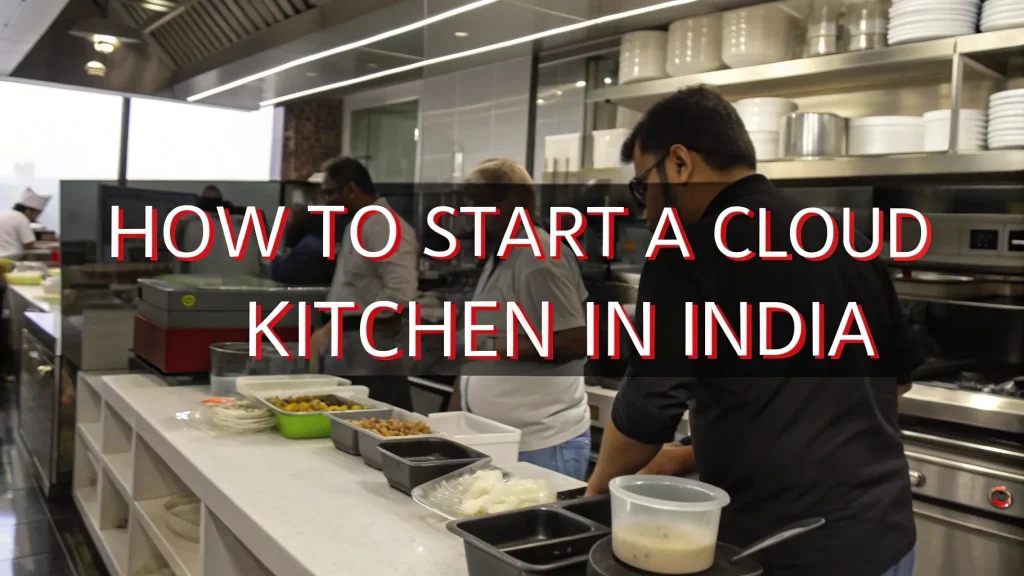

Starting a cloud kitchen business in Tier-2 cities is emerging as a low-investment opportunity driven by rising food delivery demand and digital adoption. With minimal infrastructure and smart execution, entrepreneurs can build profitable food brands without opening a traditional restaurant.
How to start a cloud kitchen business in Tier-2 cities with low investment is a question many aspiring entrepreneurs are exploring in 2026. With the rapid expansion of food delivery platforms like Zomato and Swiggy, smaller cities are now seeing strong demand for affordable and diverse food options.
Understanding the Cloud Kitchen Model and Market Demand
A cloud kitchen operates without dine-in space and focuses entirely on delivery and takeaway. This reduces rental, staffing, and operational costs significantly.
In Tier-2 cities such as Nagpur, Indore, and Lucknow, rising disposable income and smartphone penetration are driving food delivery growth. Consumers are more open to ordering online, especially among students and working professionals. This shift creates an opportunity to launch niche food brands with targeted menus.
Low Investment Setup for Cloud Kitchen in Tier-2 Cities
One of the biggest advantages is the low initial investment. A basic cloud kitchen can be set up in a small commercial or even residential space, depending on local regulations.
Initial costs typically include kitchen equipment, basic interiors, licenses, and raw materials. Entrepreneurs can start with a focused menu such as biryani, fast food, or regional cuisine to keep costs controlled. Sharing kitchen spaces or using aggregator kitchen models can further reduce expenses.
Licenses and Legal Requirements for Cloud Kitchen Business
To operate legally, certain registrations are mandatory. You need an FSSAI license for food safety compliance. GST registration may be required depending on turnover.
Local municipal approvals and fire safety compliance are also important. Many first-time founders overlook these requirements, which can lead to penalties or shutdowns. Completing documentation early ensures smooth operations.
Choosing the Right Location and Menu Strategy
Location plays a strategic role even in a delivery-only model. The kitchen should be located in areas with high delivery demand and good connectivity for delivery partners.
Menu planning should be data-driven. Analyze popular food trends on platforms like Zomato and Swiggy to identify high-demand categories. In Tier-2 markets, affordable pricing and local flavors often perform better than premium offerings.
Partnering with Food Delivery Platforms for Growth
Listing your cloud kitchen on delivery platforms is essential for visibility. These platforms provide access to a large customer base without heavy marketing costs.
However, commissions can impact margins. To balance this, many operators focus on building repeat customers through quality and consistent service. Some also develop direct ordering channels using WhatsApp or simple websites.
Marketing Strategies for Cloud Kitchens in Smaller Cities
Digital marketing plays a key role in growth. Social media platforms like Instagram and local WhatsApp groups can drive awareness quickly.
Introductory offers, combo meals, and discounts help attract first-time customers. Customer reviews and ratings significantly influence order volume, especially in competitive areas.
Offline tactics such as flyers and local tie-ups with hostels or offices also work well in Tier-2 environments.
Common Challenges and How to Overcome Them
Managing delivery timelines and food quality is a major challenge. Delays or inconsistent taste can lead to negative reviews and loss of customers.
Another issue is dependency on aggregator platforms. Diversifying order sources and controlling costs is essential for long-term sustainability.
Supply chain management can also be difficult in smaller cities. Building reliable vendor relationships helps maintain consistency.
Future Growth of Cloud Kitchens in Tier-2 India
The cloud kitchen model is expected to grow further as digital adoption increases. Government support for startups and improved logistics infrastructure are contributing to this expansion.
Entrepreneurs who focus on efficiency, branding, and customer experience can scale quickly. Many successful brands started small and expanded into multiple kitchens within a few years.
Takeaways
- Cloud kitchens require lower investment compared to traditional restaurants
- Tier-2 cities offer strong demand due to rising digital adoption
- Choosing the right menu and pricing strategy is critical for success
- Diversifying beyond delivery apps improves long-term profitability
FAQs
1. How much investment is needed to start a cloud kitchen in Tier-2 cities?
A basic setup can start from around ₹2 lakh to ₹5 lakh depending on scale and equipment.
2. Is FSSAI license mandatory for cloud kitchens?
Yes, it is required to ensure food safety and legal compliance.
3. Can I run a cloud kitchen from home?
Yes, in some cases, subject to local regulations and approvals.
4. Which food items are best for cloud kitchens in small cities?
Affordable and high-demand items like biryani, Chinese food, and snacks perform well.