
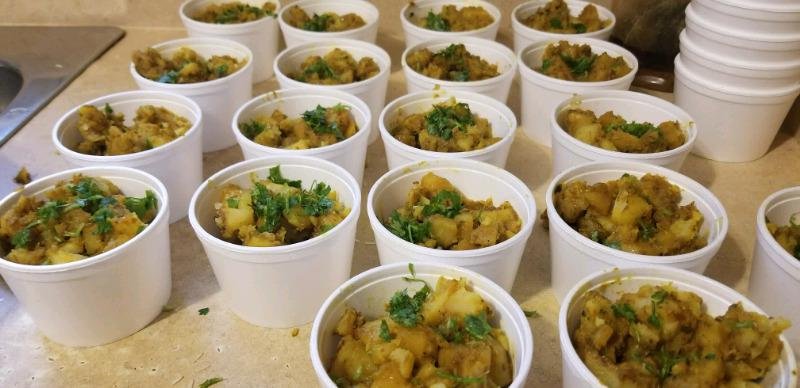

Starting a home-based tiffin service in Tier-2 cities has become a practical business opportunity due to rising demand for affordable and hygienic meals. With low investment and steady local demand, this model works well for individuals looking to generate consistent monthly income.
The home-based tiffin service model is especially effective in cities with students, working professionals, and migrant populations who prefer home-style food over restaurant meals.
Understanding Demand for Tiffin Services in Tier-2 Cities
The success of a home-based tiffin service depends heavily on local demand patterns. Tier-2 cities like Nagpur, Indore, and Jaipur have seen increasing migration for jobs and education, creating a stable customer base.
Students living in hostels and professionals working away from home often seek affordable meal options that are consistent and hygienic. Unlike metro cities, competition is lower, but trust and word of mouth play a bigger role.
Understanding your target customers helps in pricing and menu planning. For example, office workers may prefer monthly meal plans, while students may opt for flexible daily options.
Initial Investment and Basic Setup Requirements
One of the biggest advantages of this business is the low startup cost. Most people can begin using their existing kitchen setup without major upgrades.
The initial investment typically includes utensils, storage containers, packaging materials, and basic branding such as printed labels. A starting budget of Rs 5,000 to Rs 15,000 is usually sufficient.
Gas, groceries, and delivery costs become recurring expenses. Keeping these under control is essential for maintaining profit margins.
You do not need a commercial space initially, but maintaining hygiene and consistency is critical from day one.
Legal Requirements and Food Safety Guidelines
While small home-based operations can start informally, registering under FSSAI is recommended as you scale. It builds trust and ensures compliance with food safety standards.
A basic FSSAI registration is affordable and can be completed online. It is especially important if you plan to expand or list your service on food delivery platforms later.
Maintaining proper food handling practices, clean packaging, and safe storage conditions is essential to avoid complaints and retain customers.
Menu Planning and Pricing Strategy for Better Margins
Your menu should be simple, consistent, and cost-effective. Focus on everyday meals such as roti, sabzi, dal, rice, and occasional add-ons.
Avoid complex dishes that increase preparation time and cost. Standardizing portions helps in controlling expenses and maintaining quality.
Pricing should balance affordability and profit. In most Tier-2 cities, monthly tiffin plans range between Rs 2,000 to Rs 4,000 depending on meal type and quantity.
Offering weekly or monthly subscriptions ensures predictable income and reduces daily uncertainty.
Delivery Model and Customer Acquisition Strategy
Delivery is a key operational challenge. In the early stages, you can manage deliveries yourself or partner with local delivery boys.
Keeping delivery within a limited radius helps maintain food quality and reduce logistics costs. Timely delivery builds trust and repeat business.
Customer acquisition in Tier-2 cities relies heavily on local networks. Start by promoting your service in nearby hostels, offices, and residential societies.
WhatsApp groups, local Facebook communities, and word of mouth are highly effective channels. Offering trial meals can help convert first-time customers.
Scaling the Business Without High Investment
Once you have a stable customer base, scaling becomes easier. You can increase capacity by optimizing cooking schedules or hiring part-time help.
Adding variety to the menu on specific days can improve customer retention without increasing costs significantly.
You can also collaborate with local businesses or offices for bulk orders. This reduces marketing effort and ensures steady demand.
Listing your service on platforms like Swiggy or Zomato can be considered after obtaining necessary licenses and maintaining consistent quality.
Common Challenges and How to Handle Them
Maintaining consistency in taste and delivery timing is one of the biggest challenges. Customers expect reliability more than variety.
Managing costs during price fluctuations in vegetables and groceries requires careful planning. Buying in bulk and seasonal menu adjustments can help.
Handling customer feedback professionally is important. Quick resolution of complaints builds long-term trust.
Avoid overexpansion in the early stages. Focus on quality and customer satisfaction before increasing scale.
Takeaways
• Home-based tiffin services require low investment and offer steady income
• Tier-2 cities provide strong demand with less competition
• Simple menu and subscription plans improve profitability
• Local marketing and consistent service drive long-term success
FAQs
Q1. How much investment is needed to start a tiffin service
You can start with as low as Rs 5,000 to Rs 15,000 using your home kitchen.
Q2. Do I need a license for a home-based tiffin service
Basic FSSAI registration is recommended, especially if you plan to scale.
Q3. How do I find customers in a small city
Use local networks, WhatsApp groups, hostels, and office areas to promote your service.
Q4. Is this business profitable in Tier-2 cities
Yes, with controlled costs and consistent customers, it can generate stable monthly income.