
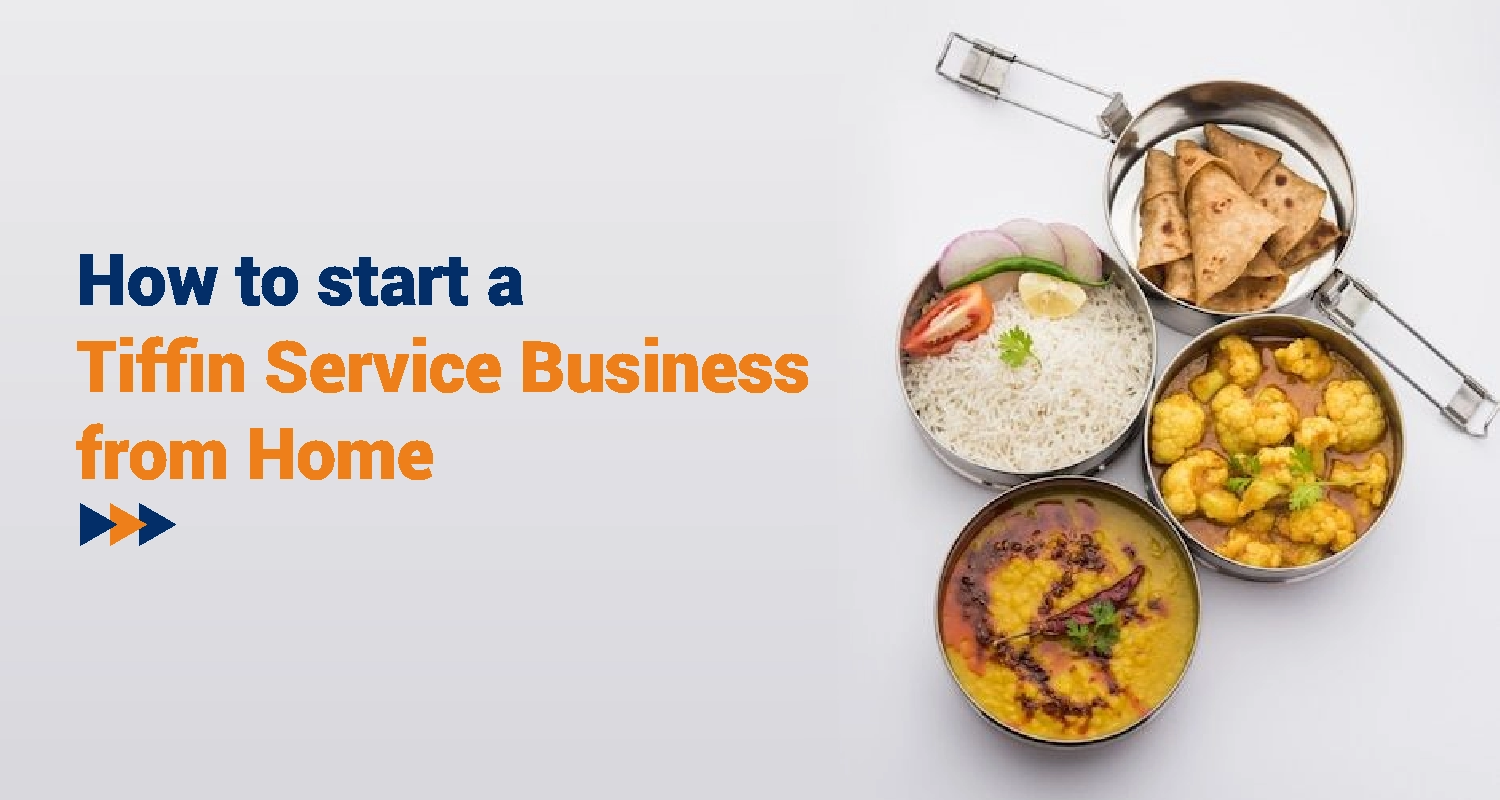

Starting a home tiffin service in Tier-2 cities with under ₹10,000 investment is a practical low-risk business idea in 2026. With rising demand for homemade meals among students and working professionals, small-scale food services are growing steadily across India.
Understanding Demand for Home Tiffin Services in Tier-2 Cities
The home tiffin service business in Tier-2 cities is driven by a simple gap: affordable, hygienic, and home-style food. Cities like Nagpur, Indore, and Bhopal have seen a steady rise in migrants, students, and office workers who prefer daily meal subscriptions over restaurant food.
Unlike metro cities, Tier-2 markets are less saturated. This gives new entrants a better chance to build a loyal customer base quickly. Customers usually look for consistency, taste, and affordability rather than branding.
Monthly subscription models are common. A typical customer pays between ₹2,000 to ₹4,000 per month for lunch or dinner, depending on menu variety. Even with 15 to 20 regular customers, the business can generate stable income.
Initial Investment Breakdown Under ₹10,000
Starting small is the key advantage of this business. You can operate from your home kitchen without renting space.
A basic investment plan can look like this:
– Raw materials for first 3 to 5 days: ₹2,000 to ₹3,000
– Packaging materials such as containers or foil boxes: ₹2,000
– Basic utensils or upgrades if needed: ₹2,000 to ₹3,000
– Gas refill or electricity buffer: ₹1,000 to ₹1,500
This keeps the total startup cost within ₹10,000. Many beginners already have most kitchen equipment, reducing costs further.
Avoid overspending on branding or delivery systems in the early stage. Focus on food quality and repeat customers first.
Legal Requirements and Food Safety Basics
Even small food businesses must follow basic compliance rules. Registering under Food Safety and Standards Authority of India is recommended. The FSSAI basic registration is affordable and builds trust with customers.
Maintain hygiene standards such as clean cooking space, proper storage, and safe packaging. In smaller cities, word of mouth spreads fast, so quality control is essential.
If you plan to scale later, you may also need local municipal permissions. Starting small allows you to test the market before handling formalities in detail.
Setting Up Menu and Pricing Strategy
A simple and consistent menu works best for tiffin services. Focus on daily staples like roti, sabzi, dal, rice, and occasional add-ons like salad or dessert.
Keep 2 to 3 menu variations across the week to avoid repetition. Avoid complex dishes that increase cost and preparation time.
Pricing should balance affordability and profit. For example, a ₹80 to ₹120 per meal price range works well in Tier-2 cities. Bulk monthly plans can offer slight discounts to secure long-term customers.
Understanding local taste preferences is crucial. For example, Nagpur customers may prefer slightly spicier food compared to other regions.
Customer Acquisition Without Marketing Budget
Most successful tiffin services grow through local networks rather than paid advertising. Start with your immediate circle including neighbors, friends, and local offices.
Use WhatsApp groups to share menus and collect orders. This remains one of the most effective tools in small cities. You can also list your service on local Facebook groups or community pages.
Tie-ups with hostels, PG accommodations, and small offices can bring consistent bulk orders. Offering trial meals at a discounted rate helps convert first-time customers.
Delivery and Operations Management
Delivery is often the biggest challenge in a small-scale setup. Initially, you can manage deliveries yourself or hire a local helper.
Keep delivery areas limited to reduce time and fuel costs. Fixed delivery timings improve efficiency and customer satisfaction.
Reusable tiffin boxes can reduce packaging costs in the long term. However, disposable packaging is easier to manage in the beginning.
Tracking daily expenses and orders is important. Even a simple notebook or spreadsheet can help manage operations effectively.
Scaling the Business After Initial Success
Once you reach 25 to 30 regular customers, scaling becomes easier. You can introduce additional meal options, hire part-time help, or expand delivery areas.
Some operators later partner with platforms like Zomato or Swiggy, but this is optional. These platforms charge commissions, which may reduce margins.
A strong local brand built through consistency and referrals often performs better than relying entirely on aggregator platforms.
Takeaways
– Home tiffin service can start under ₹10,000 using existing kitchen setup
– Tier-2 cities offer strong demand with less competition
– Focus on simple menu, hygiene, and consistent quality
– WhatsApp and local networks are key for customer acquisition
FAQs
Q1. Do I need a license to start a tiffin service from home?
Basic FSSAI registration is recommended, especially if you plan to scale or build trust with customers.
Q2. How many customers do I need to be profitable?
Around 15 to 20 regular customers can cover costs and generate steady income.
Q3. Can I run this business alone?
Yes, many start solo and manage cooking and delivery initially before scaling.
Q4. Is it better to join food delivery apps early?
Not necessary. Starting independently helps retain higher margins and build a loyal base.