
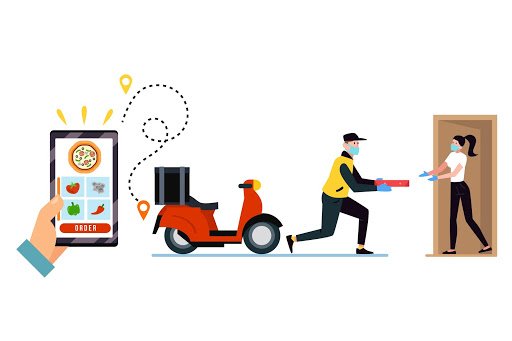

Starting a hyperlocal delivery business in Tier-2 cities is emerging as a practical low-investment opportunity in 2026. With rising demand for fast deliveries of groceries, medicines, and essentials, small operators can build profitable models with minimal infrastructure and smart execution.
Starting a hyperlocal delivery business in Tier-2 cities requires understanding local demand, optimizing costs, and leveraging digital tools. This is an evergreen business opportunity driven by growing e-commerce penetration, ONDC adoption, and changing consumer expectations for quick deliveries in smaller cities.
Understanding Hyperlocal Delivery Business Model and Demand
A hyperlocal delivery business focuses on fulfilling orders within a limited geographic area, usually within a few kilometers. Unlike large logistics companies, this model depends on speed, local partnerships, and efficient routing.
In Tier-2 cities like Nagpur, Indore, or Surat, demand is growing across categories such as groceries, pharmacy products, food, and even document delivery. Many local दुकानदार and small retailers lack delivery infrastructure, creating an opportunity for third-party delivery services.
The key advantage is lower competition compared to metro cities. Consumers are increasingly willing to pay convenience fees for same-day or even one-hour deliveries.
Choosing the Right Niche and Service Category
Selecting a focused niche helps reduce operational complexity and initial investment. Instead of serving all categories, start with one or two high-demand segments.
Groceries and daily essentials are the most stable category with repeat demand. Medicine delivery is another strong segment, especially in areas with limited 24-hour pharmacies. Food delivery can be competitive but still viable if you partner with local eateries not listed on large platforms.
Courier services for documents and small parcels also work well in Tier-2 markets where same-day delivery is not always available.
Choosing the right niche depends on local demand gaps. Conduct basic market observation by identifying what people struggle to get delivered quickly.
Setting Up Operations with Low Investment
A hyperlocal delivery startup does not require heavy capital. You can begin with a small team of delivery partners using bikes or scooters.
Initial costs include basic branding, a simple website or app, and mobile communication tools. Many startups begin operations using WhatsApp Business for order management before investing in a full tech platform.
You can onboard local shops and vendors without upfront fees by offering them increased sales through delivery support. Revenue can be generated through delivery charges, commissions, or subscription models.
Using free or low-cost tools for order tracking and route optimization helps reduce operational inefficiencies in the early stages.
Leveraging Technology and ONDC for Growth
Technology plays a critical role in scaling hyperlocal delivery businesses. Even small operators now use mobile apps for order booking and tracking.
Integration with platforms like ONDC is opening new opportunities for local delivery businesses. It allows small sellers and logistics providers to participate in a wider digital commerce ecosystem without depending on large aggregators.
Digital payments through UPI simplify transactions and improve customer trust. Real-time tracking and automated notifications enhance user experience and retention.
Investing in a basic tech stack early can significantly improve operational efficiency and scalability.
Marketing Strategies for Tier-2 City Audience
Marketing in Tier-2 cities requires a mix of offline and digital strategies. Word of mouth remains powerful, especially in closely connected communities.
Start with local promotions such as flyers, shop partnerships, and referral discounts. Collaborating with local influencers or community groups can also drive initial traction.
Digital channels like Instagram, WhatsApp groups, and Google Business listings help build visibility. Offering first-order discounts or subscription plans can attract repeat customers.
Consistency in service quality is the most effective marketing tool. Reliable delivery times and customer support build trust quickly in smaller cities.
Challenges and How to Overcome Them
Operational challenges include managing delivery timelines, handling peak demand, and maintaining service quality. Weather conditions and traffic in growing cities can also impact delivery efficiency.
Hiring reliable delivery personnel is another challenge. Offering flexible working hours and performance-based incentives can help retain staff.
Competition from larger platforms may increase over time. However, focusing on local relationships and personalized service provides a strong competitive edge.
Maintaining cost control while scaling operations is critical. Avoid unnecessary expenses in early stages and reinvest profits strategically.
Takeaways
- Hyperlocal delivery is a low-investment business with rising demand in Tier-2 cities
- Starting with a focused niche improves efficiency and reduces risk
- Using digital tools and ONDC can accelerate growth and reach
- Local partnerships and service reliability are key to long-term success
FAQs
Q1. How much investment is required to start a hyperlocal delivery business?
You can start with as low as ₹50,000 to ₹2 lakh depending on scale, covering basic setup, marketing, and initial operations.
Q2. Is hyperlocal delivery profitable in small cities?
Yes, due to lower competition and increasing demand, it can become profitable with efficient operations and repeat customers.
Q3. Do I need an app to start this business?
No, many businesses start with WhatsApp or phone-based orders and later invest in apps as they scale.
Q4. How do I find customers in the beginning?
Start with local shop partnerships, referrals, and community marketing to build initial demand.