

Starting a low investment home based tiffin delivery service in a tier 2 or tier 3 city is increasingly popular as students, office workers and migrant professionals seek affordable homemade meals. This evergreen informational topic explains how small households can launch a sustainable tiffin business with minimal capital, basic equipment and simple digital tools.
The demand for dependable daily meals has grown steadily in smaller cities because many working individuals prefer hygienic home cooked food instead of expensive restaurant options. A home based operation allows flexible working hours, low overhead costs and predictable daily orders. With proper planning, safety standards and marketing, even first time entrepreneurs can run a stable tiffin service.
Assessing demand and pricing strategy using local insights
Understanding local demand is the first priority. Tier 2 and tier 3 cities often have concentrated pockets of customers such as coaching centres, office clusters, hostels and rental neighborhoods. Entrepreneurs should evaluate how many potential customers require vegetarian or non vegetarian meals, the preferred serving times and acceptable price points. Many customers look for simple meals priced between affordable daily rates, which helps set realistic expectations.
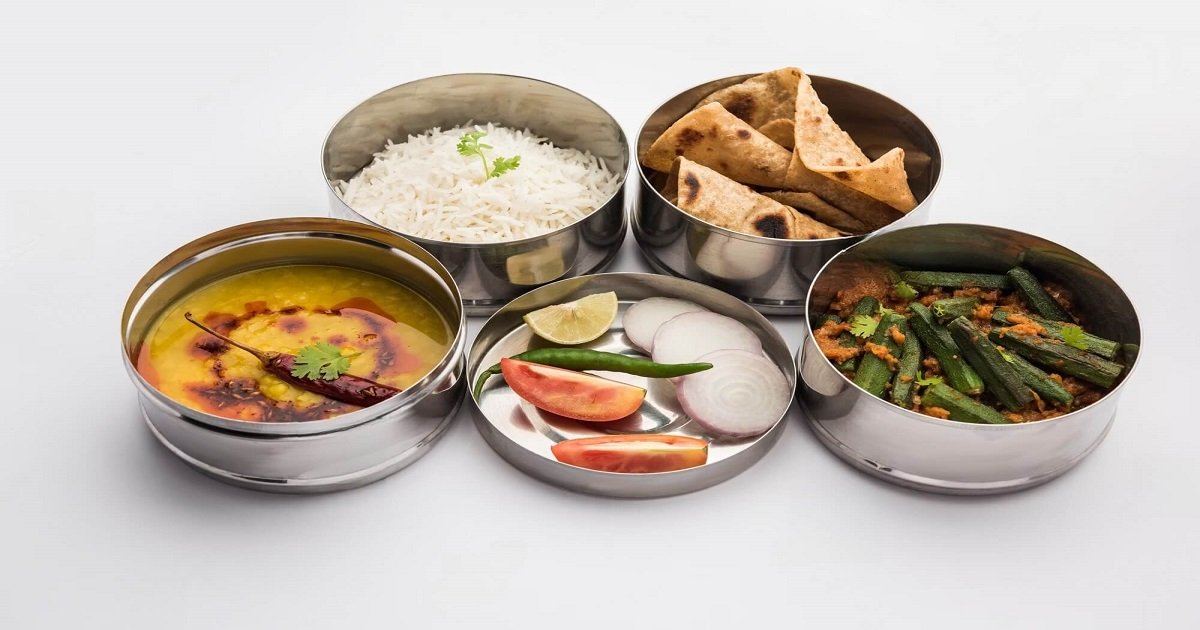
Building a menu that balances cost and taste is essential. Staple items like rice, dal, vegetables, chapati and simple add ons keep costs predictable. Offering weekly or monthly plans improves customer retention. Some customers may prefer an extra charge for add ons like paneer dishes or weekend specials. Entrepreneurs must calculate ingredient costs, cooking fuel usage and packaging expenses before finalizing the pricing.
Setting up the kitchen and secondary keywords to meet hygiene rules
A basic home kitchen is enough to start operations, but it must be organized for bulk cooking. Dedicated utensils, clean preparation surfaces and proper ventilation help maintain hygiene. A small scale food business does not require commercial equipment, but items like a larger pressure cooker, chopping board sets and storage containers improve workflow. Using food grade packaging boxes and leak proof containers ensures that meals stay intact during delivery.
Entrepreneurs should follow simple hygiene practices that align with food safety guidelines. These include washing vegetables thoroughly, storing ingredients separately, maintaining hand hygiene and keeping raw and cooked items apart. Some cities may require a basic food registration for home based businesses. Although the process is simple, entrepreneurs should check local rules to ensure compliance.
Planning delivery routes, packaging and efficiency improvements
Delivery is one of the most critical aspects of a tiffin service. In smaller cities, delivery routes are usually short, making it possible to manage deliveries using a two wheeler or through a helper. Customers expect punctual delivery before office or college hours, so planning fixed delivery slots helps maintain consistency. Entrepreneurs can group customers by locality to reduce travel time and fuel expenses.
Packaging must retain freshness and prevent spillage. Using compartment boxes helps keep the meal organized. Labelling each box with customer names or numbers is useful when delivering multiple orders simultaneously. Some tiffin providers also offer reusable stainless steel containers for long term customers to reduce packaging waste and material costs.
Marketing, customer retention and using digital tools for growth
Marketing a tiffin service in tier 2 and tier 3 cities relies primarily on referrals and local visibility. Word of mouth spreads quickly in smaller communities, but digital visibility is equally important. Entrepreneurs can create simple promotional posts on social media, use local WhatsApp groups or partner with nearby coaching centres and offices. Posting menus regularly and offering trial meals helps attract students and working professionals.
Customer retention depends on food quality, timely delivery and consistent taste. Seeking weekly feedback helps identify areas of improvement. Offering subscription plans encourages long term commitments and stable income. Entrepreneurs can use digital tools like mobile payment apps, simple bookkeeping apps and Google Forms to manage orders and track customer preferences. These tools reduce manual effort and support smooth growth.
Managing costs and scaling the tiffin business slowly
Keeping costs under control is essential for a home based tiffin service. Bulk buying staples, reducing food wastage and managing portion sizes help maintain profitability. Entrepreneurs must analyze which dishes sell well and adjust the menu accordingly. If customer demand increases, scaling can be done gradually by hiring a helper or adding one more delivery route.
Some household tiffin businesses expand into evening snack boxes or corporate lunch plans. However, scaling should be based on consistent demand rather than sudden spikes. A step by step approach ensures the business remains manageable without increasing risk or investment.
Takeaways
Start small with a simple, cost efficient menu tailored to local demand
Maintain strict hygiene practices to build trust and long term customer loyalty
Plan delivery routes to improve punctuality and reduce fuel expenses
Use digital tools for order management, marketing and payment processing
FAQs
Is a home based tiffin service profitable in small cities
Yes, the low investment model and consistent daily demand make it a viable business when pricing and portion control are managed efficiently.
Do home based food businesses need registration
Many small businesses only require basic registration depending on local rules. Entrepreneurs should check their city guidelines to ensure compliance.
How many customers are needed to break even
Most home based setups break even with a small number of daily customers, especially when ingredient planning and fuel usage are optimized.
Can tiffin businesses operate without hiring delivery staff
Yes, many entrepreneurs deliver meals themselves during initial months. Hiring staff is needed only when customer volume increases.