
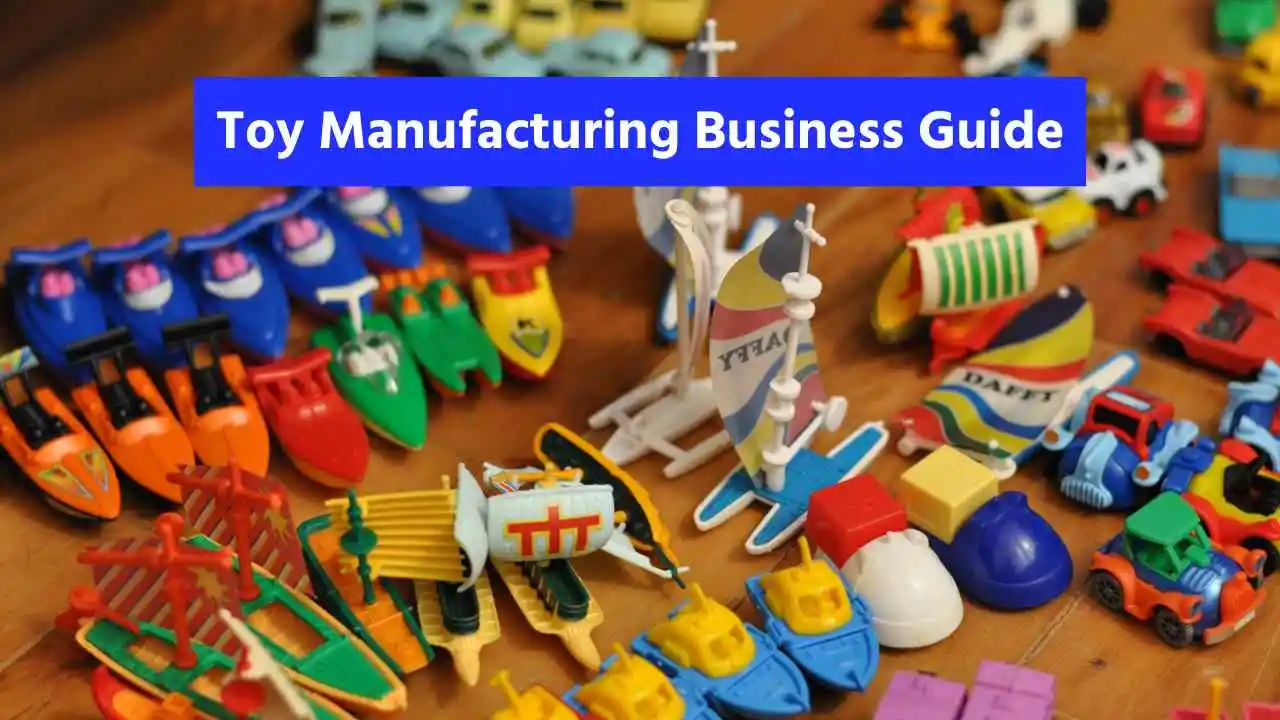

India’s toy manufacturing business is gaining momentum after recent startup funding and government push for local production. With rising demand for safe and locally made toys, entrepreneurs now have a strong opportunity to enter this sector with relatively low to medium investment.
The toy manufacturing business in India has seen renewed interest due to policy support, import restrictions on low-quality toys, and increasing funding for domestic startups. This combination has created a favorable environment for new entrants, especially in Tier 2 and Tier 3 regions.
Understanding Market Demand and Toy Industry Trends in India
Before starting a toy manufacturing business, it is critical to understand current toy industry trends in India. The market has shifted toward educational toys, STEM-based products, and eco-friendly materials. Parents are becoming more conscious about safety standards and learning value.
Recent funding activity in the sector indicates investor confidence in scalable toy brands. Startups focusing on wooden toys, sustainable materials, and India-themed educational kits are gaining traction. This is also aligned with the government’s push for Atmanirbhar Bharat, which encourages local manufacturing.
Demand is not limited to metro cities. Tier 2 and Tier 3 markets are showing strong consumption growth due to rising disposable income and online accessibility.
Legal Requirements and Business Setup for Toy Manufacturing
Setting up a toy manufacturing business in India requires compliance with specific regulations. The most important requirement is certification from the Bureau of Indian Standards under mandatory toy safety norms.
You will need to register your business as a sole proprietorship, partnership, or private limited company. GST registration is mandatory if you plan to sell across states or online platforms.
Additionally, small manufacturers can register under MSME to access government benefits, subsidies, and easier financing. Industrial licenses may not be required for small-scale units, but safety and quality compliance cannot be ignored.
Choosing the right location is crucial. Many entrepreneurs are setting up units in states like Karnataka, Maharashtra, and Tamil Nadu due to better infrastructure and supply chain access.
Investment, Machinery, and Raw Material Planning
The initial investment depends on the type of toys you plan to manufacture. Basic plastic or wooden toys can start with a modest setup, while electronic or battery-operated toys require higher capital and technical expertise.
Machinery includes molding machines, cutting tools, finishing equipment, and packaging units. For wooden toys, carving and polishing tools are essential, while plastic toys require injection molding machines.
Raw materials vary based on product type. Sustainable materials like wood, organic colors, and recycled plastic are gaining popularity due to regulatory and consumer preferences.
To control costs, many startups begin with a limited product line and expand gradually based on demand.
Leveraging Startup Funding Trends and Government Support
Recent startup funding trends in India show increasing investor interest in manufacturing sectors beyond tech. Toy manufacturing startups that demonstrate scalability, branding, and export potential are attracting early-stage funding.
Government schemes like Production Linked Incentive and MSME support programs are helping reduce operational costs. Toy clusters are also being developed in certain regions to provide shared infrastructure and reduce entry barriers.
Entrepreneurs should focus on building a strong brand story. Investors are not just funding products, they are backing differentiated ideas such as educational kits, cultural storytelling toys, and eco-friendly designs.
Access to e-commerce platforms has also reduced dependency on traditional distribution channels, making it easier for new brands to reach customers nationwide.
Sales Strategy, Distribution, and Scaling the Business
Selling toys today requires a mix of online and offline strategies. E-commerce platforms like Amazon, Flipkart, and niche marketplaces are key channels for early growth.
Offline distribution through local retailers, school networks, and exhibitions can help build brand trust, especially in smaller cities. Many successful toy startups combine both approaches.
Branding plays a critical role. Parents prefer brands that communicate safety, learning value, and durability. Packaging and storytelling can significantly influence buying decisions.
Scaling should be gradual. Start with a focused product category, validate demand, and then expand into adjacent segments. Export opportunities are also increasing as global buyers look for alternatives to traditional manufacturing hubs.
Challenges and Risk Factors in Toy Manufacturing Business
Despite the opportunity, there are challenges. Maintaining consistent quality is one of the biggest hurdles, especially for small manufacturers. Non-compliance with safety standards can lead to product bans.
Competition from established brands and imported products still exists, although regulatory tightening has reduced low-quality imports.
Supply chain disruptions and rising raw material costs can impact margins. Entrepreneurs need to build efficient sourcing and production systems to remain competitive.
Finally, innovation is critical. The toy market evolves quickly, and businesses that fail to adapt to changing preferences may struggle to sustain growth.
Takeaways
• Rising funding and policy support are making toy manufacturing more viable in India
• Focus on safety, educational value, and sustainability to stand out
• Start small with a focused product line and scale based on demand
• Combine online and offline channels for effective distribution
FAQs
How much investment is required to start a toy manufacturing business in India?
It can start from a few lakhs for small-scale units and go higher depending on machinery and product complexity.
Is BIS certification mandatory for toy manufacturing?
Yes, all toys sold in India must comply with Bureau of Indian Standards safety norms.
Can small businesses compete with large toy brands?
Yes, especially by focusing on niche categories like educational or eco-friendly toys.
Are there government schemes available for toy manufacturers?
Yes, MSME registration, subsidies, and manufacturing incentives are available to support small businesses.