
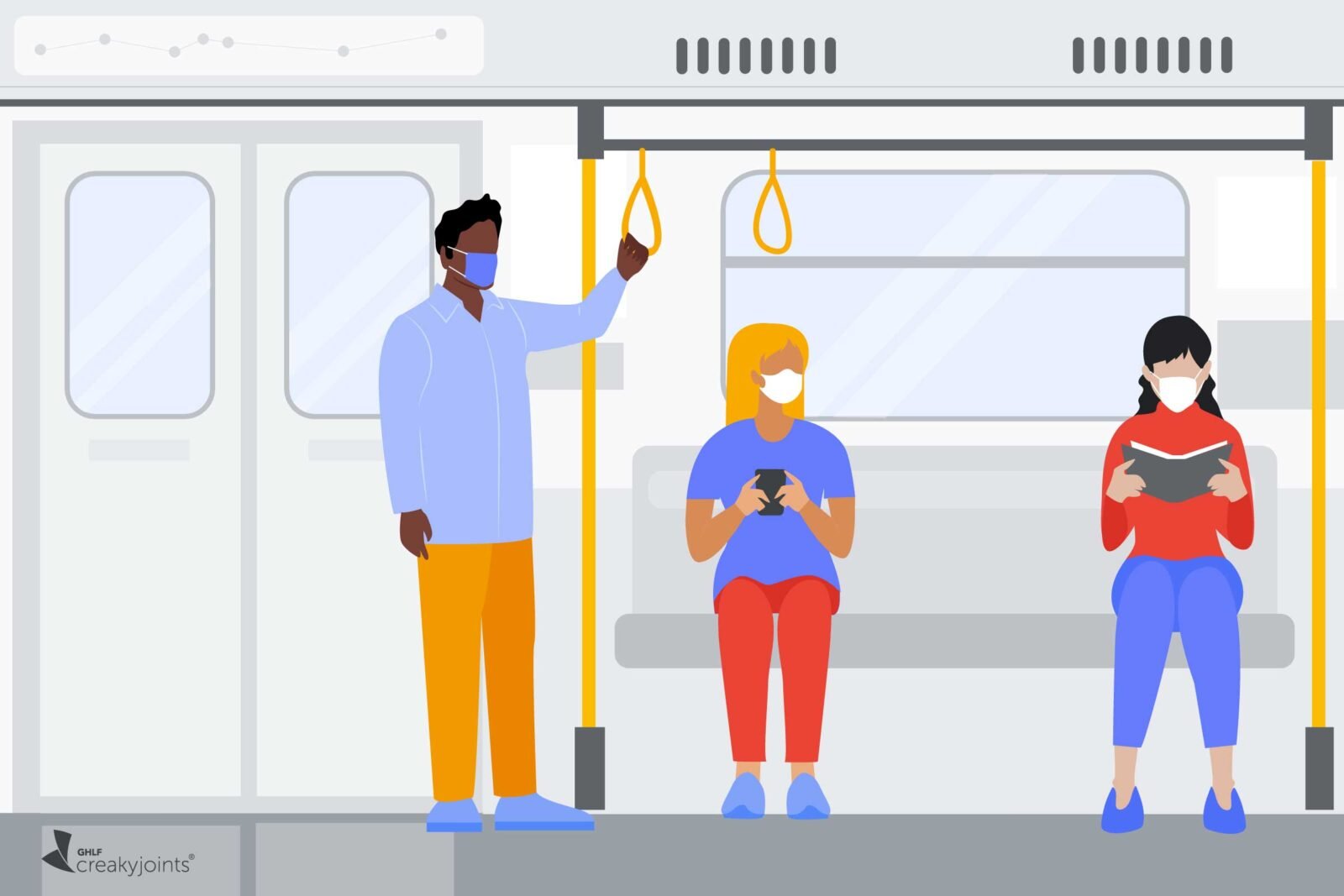

A recent viral fight inside the Delhi Metro has raised fresh concerns about commuter safety. This guide explains practical metro safety tips for daily commuters, how to respond during conflicts, and what preventive steps can reduce risk while travelling in public transport.
The discussion around metro safety tips gained momentum after a viral WWE style fight video inside the Delhi Metro circulated widely online. While such incidents are not routine, they highlight a real concern for daily commuters who rely on public transport for work, education, and essential travel. Public transport in India, especially metro systems in cities like Delhi, Mumbai, Bengaluru and Hyderabad, is generally structured, monitored and regulated. However, safety also depends on commuter awareness and response.
Understanding how to stay safe in public transport requires a mix of situational awareness, quick decision making and knowledge of official safety mechanisms available inside metro networks.
Understanding the Reality of Metro Safety in India
Metro systems in India are equipped with CCTV cameras, onboard security personnel, women only coaches, emergency alarms and helpline numbers. Incidents of violent altercations are statistically rare compared to the millions of daily riders. Still, viral videos amplify fear because they show unpredictable behavior in confined spaces.
The Delhi Metro, for example, has a dedicated security system operated with CISF personnel at stations. Every coach has emergency communication systems linked to the train operator. Most altercations begin as verbal arguments that escalate. Recognizing early signs of aggression can help commuters distance themselves before situations worsen.
For daily commuters in Tier 2 and Tier 3 cities where metro systems are expanding, awareness of safety features is equally important as the infrastructure itself.
Situational Awareness: Your First Layer of Protection
Personal safety in metro travel begins before boarding the train. Stand in well lit areas on the platform, preferably near CCTV coverage and close to other families or office goers. Avoid isolated corners late at night.
Inside the coach, choose a position near the door or near grab poles where you have space to move if needed. If you sense rising tension between passengers, do not engage or attempt to mediate unless absolutely necessary. Escalation can be sudden.
Watch for red flags such as aggressive body language, loud arguments, physical pushing or intoxicated behavior. In crowded coaches, maintain balance and keep valuables secured to avoid pickpocketing during chaotic moments.
Emergency Response: What to Do During a Conflict
If a physical fight breaks out inside a metro coach, the priority is personal safety. Move away immediately without creating panic. Use the emergency alarm or communication button near the doors if the situation becomes threatening. This alerts the train operator and security personnel at the next station.
Avoid recording the incident if it compromises your safety. Viral videos often capture events, but being distracted by filming can put you at risk. Instead, focus on creating physical distance.
At the next station, step out and inform security staff. Most metro stations have CISF personnel and control rooms that can take quick action. If you are directly threatened, raise your voice clearly and call for help. Public attention can deter further violence.
Using Women Only Coaches and Designated Safe Zones
Women commuters should use designated women only coaches where available. These coaches are typically positioned at specific ends of the train and are monitored more closely. Many metro networks also have pink booths or dedicated help desks for women and senior citizens.
For late evening travel, plan routes in advance. Avoid last minute platform changes that require rushing through less crowded sections. Inform family members of your route when travelling at unusual hours.
Parents travelling with children should position themselves near the coach entrance for quick exit if required. Holding children close in crowded coaches prevents separation during sudden disturbances.
Digital Safety and Reporting Mechanisms
Many metro authorities provide helpline numbers and mobile apps for reporting misconduct. Save the official helpline in your phone. Some networks allow SMS alerts or app based complaints with coach number and time stamp.
Digital reporting is particularly useful for non emergency issues such as harassment or suspicious activity. Accurate reporting helps authorities identify repeat offenders and improve surveillance in specific routes.
Avoid spreading unverified information on social media after an incident. Share only confirmed details with authorities. Panic driven rumors can create unnecessary fear among commuters.
Building a Safer Commuter Culture
Public transport safety is not only about infrastructure but also civic behavior. Respecting queues, avoiding heated arguments, and de escalating minor conflicts can prevent larger confrontations. If you witness harassment, support the victim by alerting authorities rather than confronting the aggressor directly unless safe to do so.
Educational institutions and offices can also guide students and employees on metro safety tips, especially in cities with newly operational metro lines. Awareness campaigns inside coaches and on social media can reinforce responsible commuting.
The viral metro fight video serves as a reminder that vigilance is necessary, but it should not create disproportionate fear. Metro travel remains one of the safest and most efficient modes of urban transport in India when commuters use the available safety mechanisms effectively.
Takeaways
• Stay alert and position yourself near exits or monitored areas inside metro coaches
• Use emergency alarms and inform security immediately during violent incidents
• Prefer women only coaches and well lit areas for added safety
• Report incidents through official helplines instead of spreading unverified content
FAQs
Q1. Are metro trains in India generally safe for daily commuting?
Yes. Indian metro systems operate with CCTV monitoring, station security and emergency communication systems. Violent incidents are rare compared to total ridership.
Q2. What should I do if a fight starts inside my coach?
Move away immediately, avoid engaging, and use the emergency communication system if necessary. Inform security at the next station.
Q3. Is it safe to record violent incidents on public transport?
Recording is not illegal in public spaces, but personal safety must come first. Do not put yourself at risk for a video.
Q4. How can women commuters enhance safety while travelling alone?
Use women only coaches, travel during regular hours when possible, stay near monitored areas and keep emergency contacts accessible.