
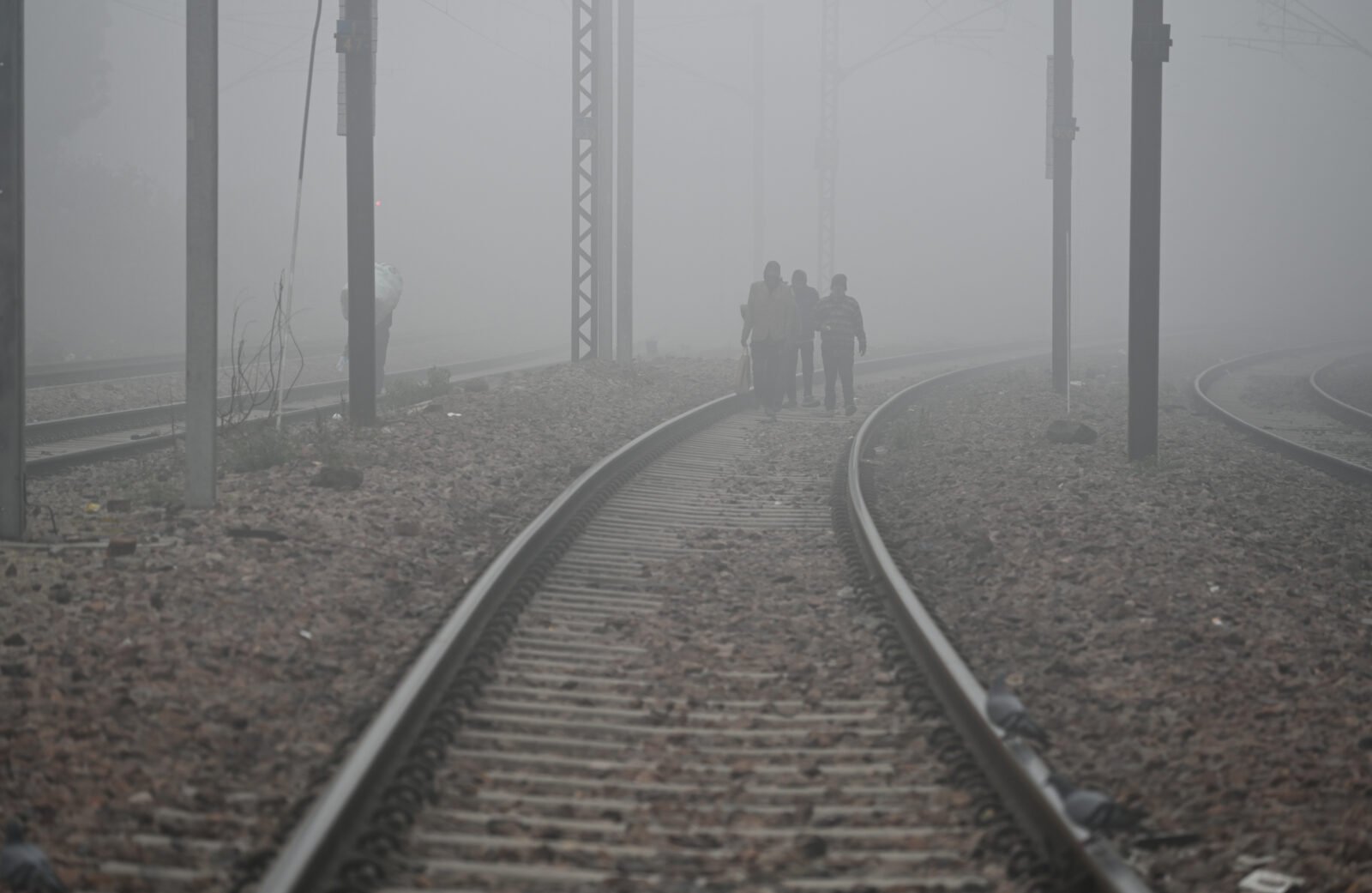

Dense fog delays in North India are a recurring winter disruption that directly affects road traffic, train schedules, and flight operations. From late December to February, visibility often drops below safe operating limits, especially in the Indo-Gangetic belt, causing cascading delays across transport systems.
Short summary
Dense fog frequently disrupts transport in North India during winter, impacting highways, rail networks, and airports. This guide explains how fog affects each mode of travel, how to track real-time delays, and how to use IMD forecasts and official tools to plan journeys more reliably.
Understanding the intent and nature of the topic
This is a time-sensitive informational topic. While fog as a phenomenon is seasonal and recurring, the delays and tracking methods are relevant to ongoing winter conditions. The tone therefore follows a news-informed, practical reporting style with actionable guidance rather than opinion.
Why dense fog causes transport delays in North India
Dense fog forms when cold air near the ground traps moisture, sharply reducing horizontal visibility. In North India, flat terrain, high humidity, and prolonged cold spells make fog more persistent. Visibility below 50 metres is classified as dense fog, while near-zero visibility conditions are often termed very dense fog.
For roads, low visibility increases accident risk, forcing authorities to slow traffic or temporarily close expressways. For railways, fog interferes with signal sighting, leading to speed restrictions and late arrivals. For flights, reduced runway visibility can halt takeoffs and landings unless advanced landing systems are operational.
Understanding this chain reaction helps travellers anticipate delays rather than react to them at the last minute.
How to track dense fog road delays on highways
Road delays during fog are usually unplanned and dynamic. The most reliable way to track them is through a combination of official updates and live traffic data.
National highways and expressways often issue advisories when visibility drops sharply. These advisories typically include speed limits, temporary closures, or diversion notices. For urban and intercity roads, real-time navigation apps provide live congestion data based on vehicle movement. When fog sets in, sudden red or dark-orange stretches on major corridors usually indicate slowed traffic due to poor visibility.
State traffic police social media handles are another key source. They often post early morning alerts during peak fog hours, especially for accident-prone stretches. Checking these before starting a journey can help adjust departure times or routes.
Tracking train delays during foggy conditions
Train delays are among the most common consequences of dense fog in North India. Railways impose speed restrictions during low visibility to maintain safety, which affects long-distance and intercity services.
The most accurate way to track fog-related train delays is through official train enquiry systems that provide real-time running status. These platforms show updated arrival and departure times, delay duration, and sometimes remarks indicating weather impact.
Passengers should focus on trains passing through fog-prone zones such as Punjab, Haryana, Uttar Pradesh, Bihar, and parts of Rajasthan. Early morning trains are usually more affected than afternoon or evening services, as fog tends to thin out by late morning.
For longer journeys, checking the running status of the train at its originating station offers early insight into potential downstream delays.
How to monitor flight delays caused by dense fog
Air travel is highly sensitive to visibility levels. When dense fog reduces runway visibility below operational thresholds, departures are delayed and arriving flights may be diverted.
Airport websites and airline apps provide the most reliable, flight-specific updates. These platforms display departure delays, gate changes, and cancellation notices in near real time. Flight tracking services can also be used to monitor incoming aircraft, which helps estimate whether a delayed arrival will impact your departure.
Airports in North India often operate with instrument landing systems that allow landings in low visibility, but operations may still slow down when fog is very dense. Morning flights between 5 am and 10 am are statistically the most vulnerable to fog disruptions.
Using IMD forecasts to plan travel smarter
IMD forecasts are a critical planning tool during winter. The IMD issues daily and multi-day forecasts that include fog intensity, duration, and affected regions. These forecasts often categorise fog as shallow, moderate, dense, or very dense.
Travellers should look for forecast terms such as dense fog in isolated places or dense fog at many places. The latter indicates widespread impact and a higher probability of prolonged delays. Night and early morning forecasts are especially important, as fog usually forms after midnight and peaks around sunrise.
If the forecast shows dense or very dense fog for consecutive days, it is wise to build buffer time into travel plans or reschedule non-essential journeys.
Practical planning tips to reduce disruption
Tracking delays is only part of the strategy. Adjusting behaviour based on fog patterns can significantly reduce inconvenience.
Starting road journeys after 9 am often improves visibility. For trains, choosing midday departures reduces the risk of heavy delays. For flights, selecting late-morning or afternoon departures increases the chance of smoother operations during foggy spells.
Always keep alternative routes, trains, or flights in mind during peak fog season. Flexibility is a practical advantage in North Indian winters.
Takeaways
Dense fog is a seasonal but predictable disruptor of transport in North India
Real-time road, rail, and flight tracking tools are essential during winter travel
IMD fog forecasts help anticipate delays before they happen
Midday travel generally faces fewer fog-related disruptions than early mornings
FAQs
What visibility level is considered dense fog?
Dense fog is typically defined as visibility between 50 and 200 metres, while very dense fog refers to visibility below 50 metres.
Which mode of transport is most affected by fog in North India?
Trains experience the most widespread delays due to mandatory speed restrictions, followed closely by flights during early morning hours.
How far in advance can fog delays be predicted?
IMD forecasts usually provide reliable fog predictions up to three to five days in advance, with higher accuracy for the next 24 to 48 hours.
Does fog affect travel throughout the day?
Fog impact is highest from late night to early morning. Conditions usually improve after sunrise, though severe cold spells can extend fog into late morning.