
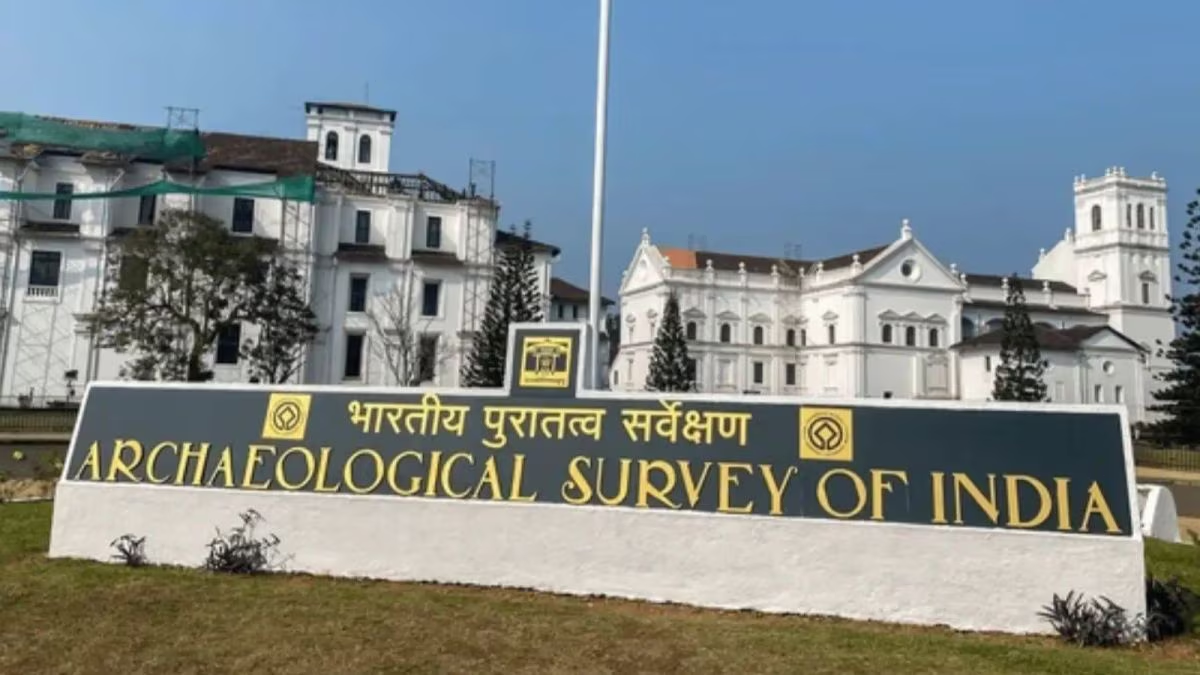

Private monument conservation tools have gained relevance after the recent policy shift that allows greater participation of private entities in the maintenance and restoration of protected monuments. This change opens new opportunities for local contractors, conservation professionals, and skilled workers to legally contribute to heritage preservation.
Understanding the Post ASI Policy Shift on Monument Conservation
This topic is time sensitive and news based because it is driven by an active policy change. The tone here follows a factual and explanatory news reporting style.
Traditionally, monument conservation in India was handled almost entirely by government agencies under strict supervision. The new policy framework allows private players, including certified contractors and specialized firms, to participate in conservation, maintenance, and non invasive restoration work. The objective is to reduce backlog, improve upkeep, and introduce modern conservation tools while maintaining historical integrity.
This shift does not mean monuments are being privatized. Ownership and control remain with the government. What changes is execution. Tasks like structural monitoring, cleaning, landscaping, digital documentation, and preventive conservation can now be outsourced under regulated guidelines.
What Are Private Monument Conservation Tools
Private monument conservation tools refer to specialized equipment, software, and methodologies used to assess, protect, and restore heritage structures. These tools focus on minimal intervention and long term preservation.
Examples include non destructive testing tools for stone and brick structures, moisture and vibration sensors, 3D laser scanning for documentation, and eco friendly cleaning systems. Digital tools such as GIS mapping and condition monitoring dashboards are also part of this ecosystem.
These tools are designed to work within conservation norms. They do not alter the original fabric of the monument and are approved only after technical scrutiny. Contractors must understand that conservation is not construction. The tools emphasize diagnosis, prevention, and controlled restoration.
How Local Contractors Can Enter Monument Conservation Work
For local contractors, this policy shift creates a structured entry point into heritage projects.
The first requirement is registration and empanelment under eligible government or heritage bodies. Contractors must demonstrate technical capacity, skilled manpower, and experience in related fields such as civil restoration, archaeology support work, or heritage landscaping.
Training is critical. Contractors are expected to understand conservation ethics, material compatibility, and site specific restrictions. Using standard construction techniques without adaptation can lead to disqualification or penalties.
Local contractors with experience in stone work, lime plastering, drainage management, or traditional building methods have an advantage. The policy encourages hiring regional expertise to preserve local character and reduce logistics costs.
Setting Up Conservation Tools at a Monument Site
Setting up private monument conservation tools follows a controlled process.
The first step is site assessment. This includes visual inspection, historical documentation review, and non invasive testing. Tools like moisture meters and structural scanners help identify problem areas without physical damage.
Next comes documentation. Digital mapping and photographic records establish a baseline condition. This data is essential for approvals and future monitoring.
Installation of tools such as sensors or scaffolding must follow safety and visibility guidelines. Public access, religious activities, and tourism flows cannot be disrupted. Temporary setups must be removable and discreet.
All work is supervised and audited. Contractors must maintain detailed logs of methods, materials, and outcomes.
What the Policy Change Means for Employment and Skill Demand
The expanded role of private entities directly impacts employment.
Demand is rising for conservation technicians, heritage masons, documentation specialists, and site supervisors trained in preservation practices. Unlike conventional construction, conservation work is slower, detail oriented, and skill intensive.
This benefits Tier 2 and Tier 3 cities where many protected monuments are located. Local hiring reduces costs and ensures cultural sensitivity. Skilled workers can find stable, project based employment without migrating.
For contractors, margins depend on quality and compliance rather than speed. Long term maintenance contracts also provide recurring revenue.
Compliance Rules Contractors Must Follow
Compliance is non negotiable in monument conservation.
Every tool and method must be approved before use. Materials must match original composition as closely as possible. Unauthorized changes, drilling, or chemical treatments can result in blacklisting.
Contractors must follow environmental norms, waste disposal rules, and visitor safety guidelines. Regular reporting is mandatory.
Insurance coverage for workers and liability coverage for the site are often required. This protects both the contractor and the monument authority.
Long Term Benefits of the New Conservation Model
The policy shift aims to improve monument health over time.
Private participation allows faster response to deterioration, better use of technology, and shared responsibility. Government bodies can focus on oversight and research rather than daily maintenance.
For contractors, this creates a specialized niche with high entry standards but limited competition. Reputation and past performance matter more than bidding aggressively.
Communities benefit from better preserved heritage, increased tourism, and local economic activity.
Challenges Contractors Should Be Prepared For
Despite opportunities, challenges exist.
Approval timelines can be slow. Conservation standards are strict. Profit margins may be lower initially due to training and compliance costs.
Public scrutiny is high. Any visible mistake can attract attention. Contractors must be prepared for audits and inspections.
Those who approach conservation with a construction mindset often fail. Success requires patience, documentation discipline, and respect for heritage values.
Takeaways
Private tools support conservation but ownership stays with the government
Local contractors gain opportunities through regulated participation
Conservation work prioritizes prevention and minimal intervention
Skill, compliance, and documentation define success in this field
FAQs
Can any contractor apply for monument conservation work
Only registered and technically qualified contractors meeting conservation criteria are eligible.
Does private participation mean monuments are commercialized
No, monuments remain under government control and protection.
What type of tools are allowed in conservation projects
Only non invasive, approved tools focused on preservation and monitoring are permitted.
Is this opportunity suitable for small local contractors
Yes, especially those with traditional skills and willingness to undergo training.