
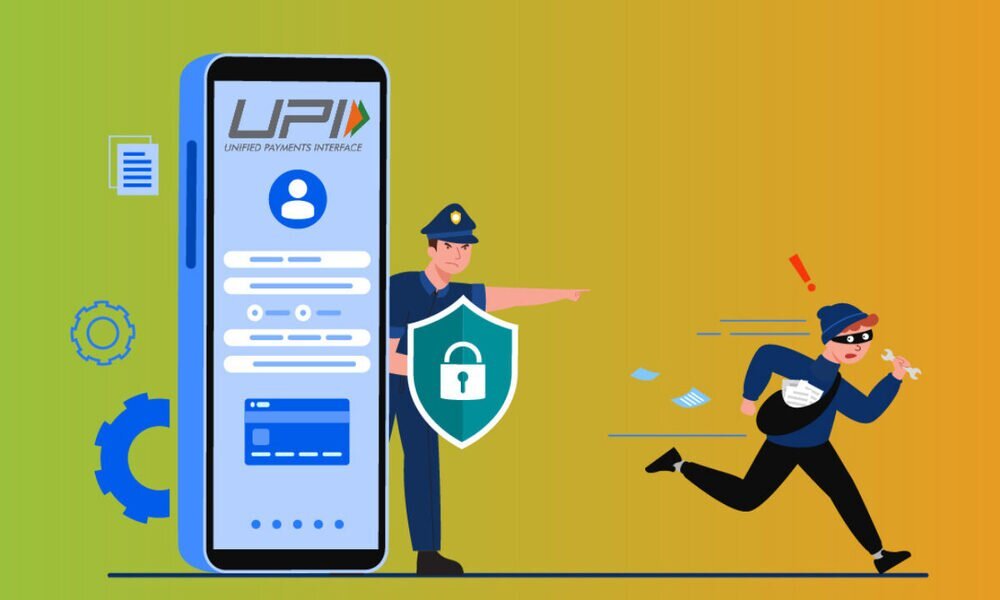

UPI safety in 2026 has become a major concern as digital payments grow rapidly across India. With increasing fraud cases targeting everyday users, understanding how to use UPI securely is essential to protect money and personal data.
Why UPI Fraud Cases Are Increasing in India
UPI safety is now more important than ever because digital transactions have scaled significantly in recent years. With millions of daily transactions, fraudsters are finding new ways to exploit users through social engineering and fake payment requests.
Common scams include fake payment links, QR code fraud, and impersonation calls posing as bank officials. Many users in Tier-2 and Tier-3 cities are especially vulnerable due to limited awareness of how these scams operate.
Fraudsters often create urgency, such as claiming a blocked account or pending reward, to trick users into sharing sensitive information. Once access is gained, funds can be transferred instantly, making recovery difficult.
Common Types of UPI Fraud You Should Know
Understanding fraud patterns is the first step in prevention. One of the most common scams is the collect request fraud, where users receive a payment request instead of a payment. Accepting it results in money being debited.
QR code scams are another major issue. Fraudsters send QR codes claiming they will help receive money, but scanning them actually initiates a payment.
Phishing links sent via SMS or messaging apps often mimic official bank pages. These links are designed to steal login credentials and OTPs.
Impersonation scams are also rising. Fraudsters call users pretending to be from banks or customer support and ask for PINs or OTPs. No legitimate institution asks for such details.
Best Practices to Ensure UPI Payment Security
To maintain UPI safety, users must follow basic but critical precautions. Never share your UPI PIN with anyone under any circumstances. The PIN is meant only for authorizing payments.
Always verify the receiver’s name before sending money. UPI apps display the registered name linked to the ID, which helps avoid mistakes.
Avoid clicking on unknown links or downloading apps from untrusted sources. Always use official app stores for installations.
Enable app lock and device security features like fingerprint or face unlock. This adds an extra layer of protection in case your phone is lost or accessed by someone else.
Regularly check transaction history to spot any unauthorized activity early.
Safe Use of QR Codes and Payment Requests
QR codes are widely used for convenience, but they also carry risks if misused. Users should remember one simple rule: scanning a QR code is used to make a payment, not receive money.
Always verify the source of the QR code. Avoid scanning codes shared through messages or social media unless they come from a trusted contact.
For collect requests, read the details carefully before approving. Check the amount, sender name, and purpose. If something seems unusual, decline the request.
Using small test transactions before sending large amounts can also reduce risk.
What to Do If You Become a Victim of UPI Fraud
Despite precautions, fraud can still happen. Acting quickly is crucial to minimize losses.
Immediately contact your bank or payment app support and report the unauthorized transaction. Most banks have dedicated helplines for digital fraud.
You can also report the incident on the national cybercrime portal or call the cybercrime helpline number 1930 in India. Early reporting increases the chances of blocking the transaction.
Keep records of transaction IDs, screenshots, and communication related to the fraud. This helps in investigation and recovery processes.
Avoid panic and do not engage further with the fraudster after reporting the incident.
Role of Banks and Government in UPI Security
Banks and regulatory bodies are continuously working to improve UPI safety through stricter guidelines and advanced monitoring systems.
Real-time fraud detection, transaction alerts, and user awareness campaigns are being strengthened. Payment apps are also introducing features like transaction limits and risk alerts.
However, technology alone cannot prevent fraud completely. User awareness remains the strongest defense against digital scams.
As digital payments continue to grow, responsible usage will play a key role in maintaining trust in the system.
Takeaways
- UPI safety in 2026 is critical due to rising digital fraud cases
- Never share UPI PIN, OTP, or sensitive banking details with anyone
- Verify payment requests and avoid unknown QR codes or links
- Report fraud immediately through bank support or cybercrime helpline
FAQs
Q1. Can someone hack my UPI account without OTP or PIN?
No, transactions require authorization, but fraudsters can trick users into revealing details.
Q2. Is scanning a QR code safe for receiving money?
No, scanning a QR code is used to send money, not receive it.
Q3. What is the cybercrime helpline number in India?
You can report digital fraud by calling 1930.
Q4. How can I check if a UPI request is genuine?
Verify the sender’s name, amount, and purpose before approving any request.