
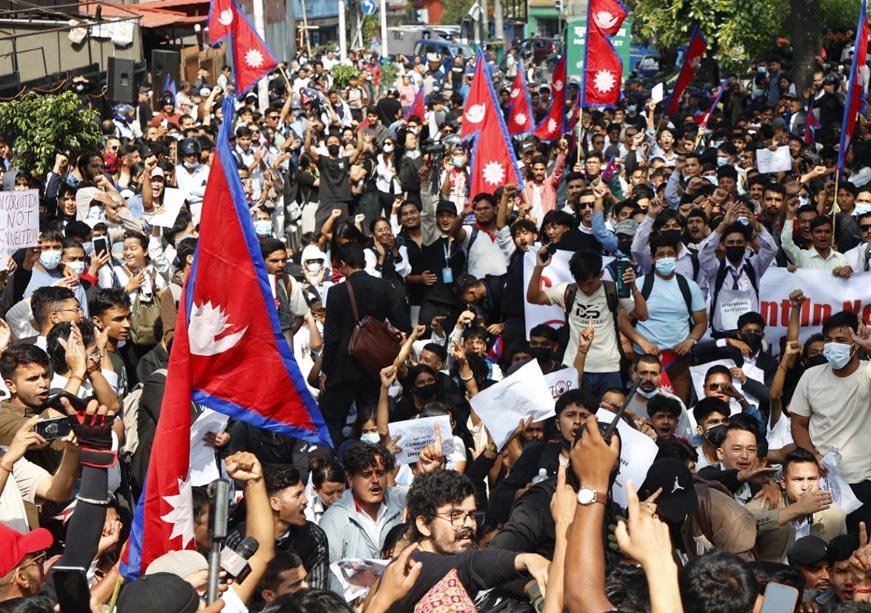

Protests by youth wings in smaller state capitals like Bhopal influence public sentiment by signalling political energy, highlighting governance issues and shaping voter perception ahead of key elections. These demonstrations often reflect local frustrations and amplify youth centred demands that mainstream parties cannot ignore.
Why youth protests in small capitals matter now
Youth wing protests are gaining visibility as political participation increases among younger voters. These demonstrations often originate from grievances about unemployment, governance gaps, campus issues or allegations of administrative bias. In smaller capitals such as Bhopal, where civic spaces are limited and political activity is closely observed, even a medium scale protest can influence public conversation.
Youth wings like the All India Youth Congress, student unions and local party organisations use protests to challenge government decisions and mobilise public support. Their visibility on social media and local news channels shapes perception in surrounding Tier 2 and Tier 3 cities. As more young voters enter electoral rolls, their political actions carry greater weight in shaping community level opinion.
How youth wing mobilisation spreads and influences nearby regions
Smaller capitals often serve as administrative and cultural hubs for surrounding districts. A protest in Bhopal can quickly influence sentiment in nearby towns such as Sehore, Raisen and Vidisha because local political workers and student groups travel between these regions frequently.
Mobilisation by youth wings also spreads via digital channels. Short clips, protest visuals and slogans circulate widely, sometimes gaining more traction than formal party events. For young residents of smaller towns, these visuals signal political engagement and motivate participation in similar causes.
Such protests often reflect broader dissatisfaction rather than isolated incidents. If a youth wing accuses authorities of unfair action or mishandling of issues, public sympathy tends to rise, especially among first time voters who see activism as a legitimate expression of concern.
Impact on political parties and their strategies
Youth protests force political parties to reassess their campaign messages and outreach strategies. A large or emotionally charged protest often pushes parties to issue official statements, clarify policy stances or launch new youth focused initiatives.
Parties also adjust ground operations in small capitals because protests reveal which issues are resonating with young voters. For example, if a protest highlights job shortages or exam delays, parties may shift their messaging to address employment and educational reform.
Internal party dynamics are also affected. A strong youth wing protest may elevate certain local leaders who demonstrate organisational skills or vocal representation of issues. Conversely, poorly managed protests can lead to internal criticism and leadership reshuffling at the district level.
Influence on public trust and administrative image
Youth activism places pressure on administrative authorities who must respond to allegations, manage crowd control and demonstrate fairness. If authorities handle protests calmly and communicate transparently, public trust may strengthen.
However, incidents of lathi charge, detentions or aggressive crowd control can shift sentiment sharply against authorities. In smaller capitals, where residents closely identify with the local administrative system, such actions can damage the government’s image and influence election narratives.
Repeated protests on similar issues send a signal to residents that underlying grievances remain unresolved. This perception contributes to public fatigue and increases scrutiny of government responsiveness.
Role of student communities and campuses in amplifying activism
Small capitals typically host major state universities or multi discipline colleges that act as nerve centres for youth mobilisation. Students often join protests or initiate parallel movements on campus when they relate to local grievances or national issues.
Campus discussions, student speeches and informal meetings amplify protest messages. When student groups endorse a cause, the reach extends deeper into smaller districts because educational institutions attract youth from multiple regions.
In cities like Bhopal, where universities draw thousands of students from rural and semi urban areas, the impact of even a single protest becomes state wide within days.
How public sentiment shifts based on protest tone and outcome
Public sentiment depends not only on the size of the protest but also on its tone. Peaceful protests focusing on documented grievances usually generate sympathy. Residents see them as legitimate democratic expressions.
If protests turn disruptive or cause property damage, sentiment can swing against the protesting group. Small capitals depend heavily on smooth daily operations, and residents may react negatively if protests interrupt transportation, business or public services.
Outcome also shapes sentiment. If activism leads to administrative action, investigations or policy changes, residents perceive the protest as effective. If nothing changes, residents may become sceptical about both the movement and the authorities handling the situation.
Why youth activism is becoming more influential in smaller regions
A large share of young voters now resides in Tier 2 and Tier 3 cities. Many face challenges related to employment, education access and urban growth pressures. Protests provide an outlet for these frustrations.
With increasing smartphone use and online political engagement, youth movements gain visibility far beyond the physical protest site. Political parties see this and often adjust their strategies to avoid alienating young voters.
As more young people enter local leadership roles, activism becomes a recognised ingredient of political careers. This increases organised youth presence in public debates, shaping how communities perceive political accountability.
Takeaways
Youth protests in small capitals influence public sentiment beyond city limits
Demonstrations force political parties to adjust messaging and strategies
Administrative response to protests affects government credibility
Student communities amplify activism, shaping narratives across districts
FAQs
Do youth protests in small capitals impact election outcomes
Yes. They influence voter perception, spotlight local issues and affect how parties frame their campaigns, especially in closely contested regions.
Why are youth wings becoming more active now
Growing economic pressures, greater political awareness and easier digital mobilisation have increased youth participation in public protests.
How do authorities usually respond to these protests
Authorities deploy crowd management teams, release official statements and initiate inquiries when necessary. Response style greatly shapes public sentiment.
Can a protest in one capital influence nearby districts
Yes. Smaller capitals are regional hubs, and activist messages spread quickly through student networks, political workers and social media.