
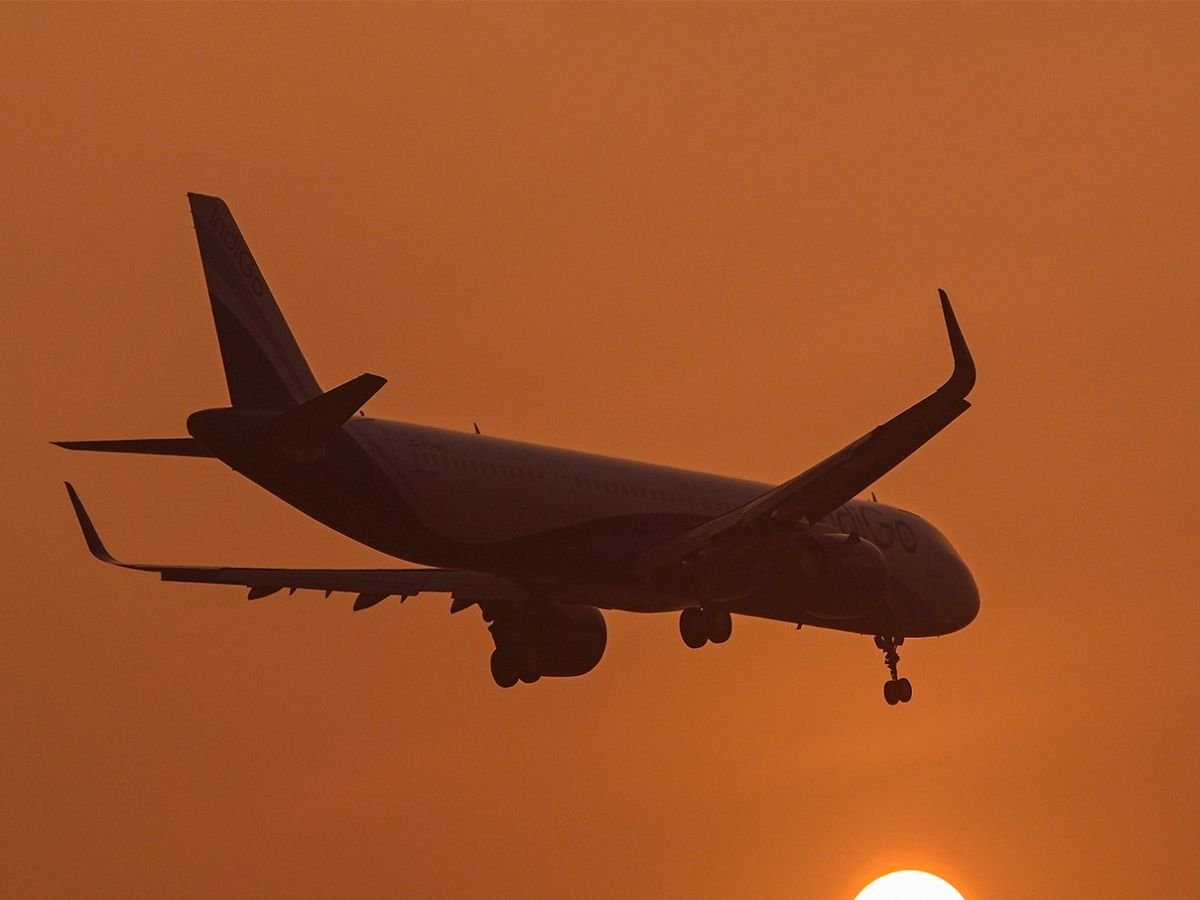

India has scheduled 58 special flights to Gulf countries after airspace disruptions caused widespread travel delays and cancellations. Authorities coordinated with airlines to assist stranded passengers and restore connectivity on key international routes affected by sudden aviation restrictions.
India schedules 58 special flights to Gulf destinations as airspace disruptions leave travellers stranded across several international airports. Aviation authorities and airlines have arranged additional services to clear passenger backlogs and restore travel routes that were affected by sudden restrictions in parts of West Asian airspace. The move aims to assist thousands of Indian passengers who faced cancellations, delays, or rerouted flights during the disruption.
Airspace Disruptions Affect International Travel Routes
Airspace disruptions in parts of West Asia forced airlines to alter flight paths and cancel several scheduled services between India and Gulf countries. Aviation authorities imposed temporary restrictions in certain flight corridors due to safety concerns, affecting both passenger and cargo flights.
When major airspace zones become restricted, airlines must reroute aircraft through longer paths or suspend operations until the situation stabilizes. These changes disrupt carefully planned international schedules and create delays across multiple airports.
Flights between India and Gulf nations form one of the busiest international travel corridors for Indian aviation. Cities such as Dubai, Abu Dhabi, Doha, Muscat, and Riyadh are key transit hubs for Indian passengers travelling for employment, tourism, and connecting flights to Europe or North America.
The sudden restrictions caused several flights to be delayed or cancelled, leaving passengers stranded at airports in India and abroad.
Government and Airlines Coordinate Special Gulf Flights
In response to the disruptions, aviation authorities coordinated with major airlines to schedule 58 special flights to Gulf destinations. These additional flights were arranged to accommodate passengers whose travel plans were affected by cancellations.
Airlines operating these special services include major Indian carriers and some international partners that serve the India Gulf route network. These flights were scheduled across multiple Indian airports to distribute passenger load efficiently.
The special flights focus on high demand routes connecting Indian cities with major Gulf hubs. Airports in cities such as Delhi, Mumbai, Kochi, Hyderabad, and Chennai are among the key departure points for these emergency services.
Passengers whose flights were cancelled or delayed were offered rebooking options on these additional services. Airlines also prioritized travellers with urgent connections, work visas, or medical travel needs.
Indian Travellers Among the Most Affected Passengers
Indian travellers form a significant portion of the passenger traffic between India and Gulf countries. Millions of Indians work in the Gulf region across sectors such as construction, healthcare, retail, and hospitality.
Because of this strong travel demand, any disruption on these routes quickly affects large numbers of passengers. Many travellers were returning to work after holidays or travelling to visit families when the airspace restrictions occurred.
Transit passengers travelling through Gulf hubs also experienced delays. Major Gulf airports serve as global transit points connecting India with Europe, North America, and Africa.
When flights are cancelled or rerouted, transit passengers may miss connecting flights, leading to additional accommodation and rebooking challenges.
Airlines Manage Passenger Backlog and Rebooking
Airlines activated contingency plans to handle the sudden surge in stranded passengers. Customer service teams worked to rebook travellers onto alternative flights and provide updated travel information.
Many airlines waived change fees for passengers whose flights were directly affected by the airspace disruptions. Passengers were allowed to reschedule flights without penalty, although availability depended on seat capacity.
Airport authorities also increased coordination with airlines to manage passenger crowds at terminals. Additional counters and help desks were set up to assist travellers with rebooking and travel documentation.
These measures helped reduce congestion and allowed airlines to gradually clear the passenger backlog created by the disruptions.
Restoring Flight Operations on India Gulf Routes
Flight operations on India Gulf routes are expected to stabilize as airspace restrictions are gradually reviewed and adjusted by aviation authorities. Once safe flight corridors reopen, airlines can resume normal schedules and reduce delays.
However, restoring full operations may take time because airlines must reposition aircraft, crews, and flight schedules that were disrupted during the incident.
Airlines continue to monitor the situation and adjust routes depending on safety advisories issued by international aviation authorities. Passengers travelling on affected routes are advised to check flight status updates before heading to the airport.
The scheduling of 58 special flights represents an important step toward clearing travel disruptions and restoring connectivity between India and Gulf destinations.
Takeaways
Airspace disruptions caused widespread delays on India Gulf flight routes
Authorities scheduled 58 special flights to assist stranded travellers
Indian passengers were among the most affected due to heavy travel demand
Airlines are gradually restoring normal international flight operations
FAQs
Why were special flights scheduled between India and Gulf countries
Special flights were arranged to accommodate passengers whose travel plans were disrupted due to airspace restrictions and flight cancellations.
Which passengers are given priority on special flights
Airlines often prioritize passengers whose flights were cancelled, travellers with urgent connections, and those returning to work in Gulf countries.
Are airlines allowing free flight changes during the disruption
Many airlines have waived change fees for affected passengers, allowing them to rebook flights without additional penalties.
How can passengers check if their flight is affected
Travellers should check airline websites, mobile apps, or airport announcements for updated flight status information.