
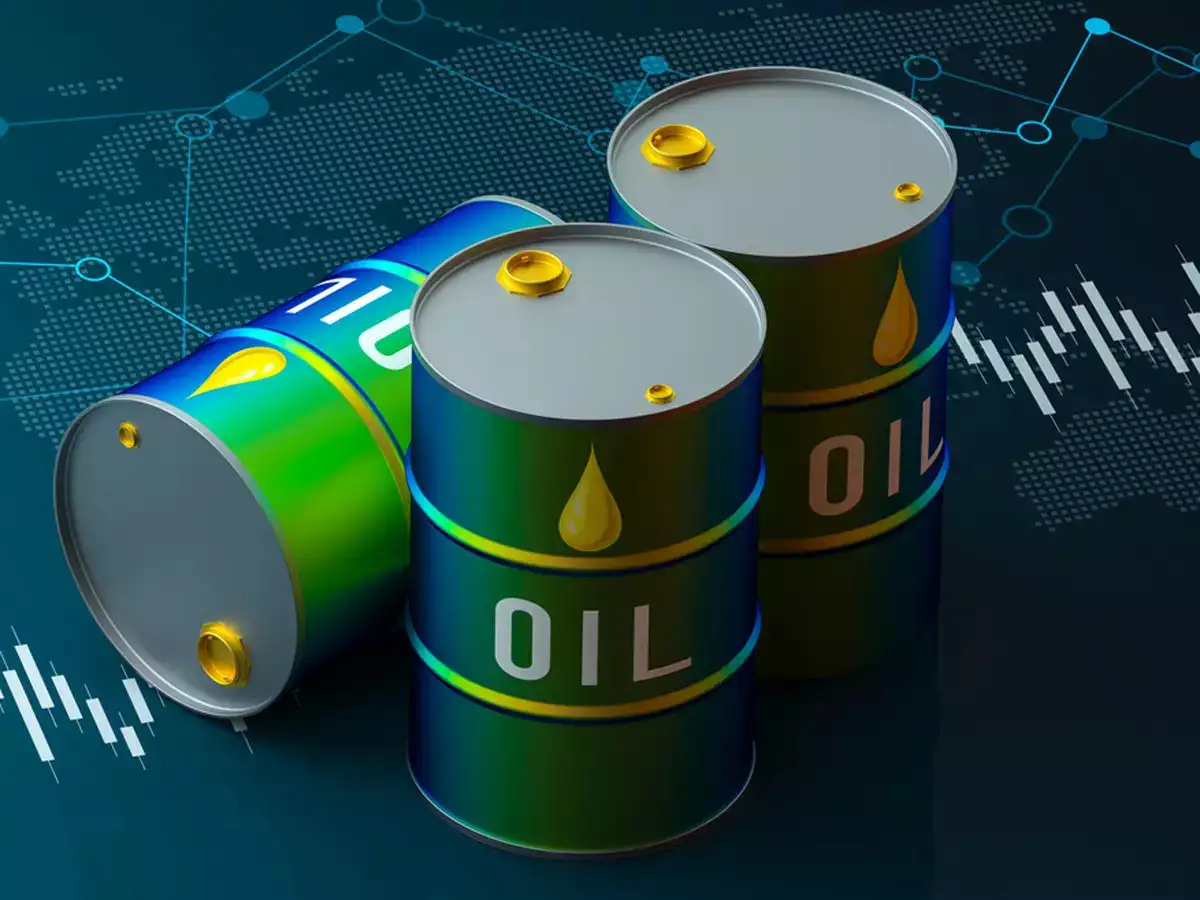

India’s energy security debate is gaining attention as the country continues to rely heavily on imported crude oil and natural gas. Rising global uncertainties, price volatility, and growing energy demand have pushed policymakers to reconsider strategies that reduce dependence on foreign fuel supplies.
Why India’s Energy Security Debate Is Back in Focus
India’s energy security debate has resurfaced as policymakers examine the country’s heavy dependence on imported oil and gas. India is one of the world’s largest energy consumers and relies on imports for the majority of its crude oil requirements.
Energy demand in India has grown rapidly due to industrial expansion, urbanization, rising vehicle ownership, and increased electricity consumption. As the economy grows, the need for reliable fuel supply becomes even more important.
The challenge lies in the fact that global oil markets are highly volatile. Supply disruptions, geopolitical tensions, and production cuts by exporting nations can quickly push prices higher. For an import dependent country like India, such fluctuations directly impact fuel prices, inflation levels, and economic stability.
Because of these risks, energy security has become a critical topic in national policy discussions.
India’s Dependence on Imported Oil and Natural Gas
India imports a large share of the crude oil used to produce petrol, diesel, and aviation fuel. Domestic oil production exists but covers only a portion of national demand.
Natural gas imports have also increased over time as industries and power plants use gas as a cleaner alternative to coal. Liquefied natural gas terminals along India’s coastline receive shipments from multiple global suppliers.
While diversification of import sources has improved supply stability, the country remains vulnerable to international price fluctuations. A sudden increase in global crude oil prices can affect transportation costs, manufacturing expenses, and household energy bills.
For example, sectors such as aviation, logistics, and petrochemicals are highly sensitive to fuel price changes. Rising energy costs can influence broader economic indicators including inflation and trade balance.
These concerns are central to India’s current energy security discussions.
Expanding Domestic Energy Production
One key strategy being discussed in India’s energy security debate is increasing domestic energy production. The country has been exploring oil and gas reserves in both onshore and offshore areas.
Energy companies are investing in exploration projects across regions including the eastern offshore basins and western coastal areas. Improved exploration technology and regulatory reforms aim to attract private investment into domestic oil and gas production.
However, increasing domestic output is challenging because many easily accessible reserves have already been developed. New discoveries often require complex extraction techniques and significant financial investment.
Despite these challenges, expanding domestic energy production remains an important goal to reduce reliance on imports over the long term.
Renewable Energy and the Push for Energy Diversification
Another major solution discussed in the energy security debate is expanding renewable energy capacity. India has invested heavily in solar and wind power projects over the past decade.
Renewable energy reduces dependence on imported fossil fuels and supports climate goals. Large solar parks and wind farms across states such as Rajasthan, Gujarat, Tamil Nadu, and Karnataka are contributing to electricity generation.
The growth of renewable energy also supports electric mobility initiatives. As electric vehicles become more common, electricity generated from renewable sources can reduce fuel imports in the transportation sector.
Energy storage technology and smart grid infrastructure are also important components of this transition. Reliable storage systems help manage fluctuations in renewable power generation.
By combining renewable energy expansion with improved energy efficiency, India aims to gradually reduce its dependence on imported fuels.
Strategic Petroleum Reserves and Energy Preparedness
Strategic petroleum reserves are another key part of India’s energy security planning. These reserves store crude oil in underground facilities to provide emergency supply during disruptions.
Such reserves act as a buffer during global supply shocks or geopolitical conflicts that could affect oil availability. Maintaining adequate reserves helps stabilize fuel supply for essential sectors during crises.
India has been expanding its strategic storage capacity over time. Additional storage projects are being considered to strengthen the country’s preparedness for future energy disruptions.
While strategic reserves cannot eliminate dependence on imports, they provide short term protection against sudden supply interruptions.
Balancing Growth With Long Term Energy Security
India’s economy continues to grow rapidly, which means energy demand will likely increase in the coming decades. Balancing economic growth with long term energy security is a major policy challenge.
Energy experts often emphasize a diversified approach that combines domestic production, renewable energy expansion, improved efficiency, and international energy partnerships.
Reducing energy intensity in industries and transportation can also play a role. Efficient manufacturing processes, public transport systems, and fuel efficient vehicles can lower overall energy consumption.
As global energy markets evolve, India’s long term strategy will likely focus on reducing import vulnerability while ensuring reliable and affordable energy for households and industries.
Takeaways
India relies heavily on imported crude oil and natural gas to meet energy demand
Global price volatility and geopolitical risks make energy security a key policy concern
Renewable energy expansion is a major strategy to reduce dependence on fossil fuel imports
Strategic petroleum reserves help protect against sudden supply disruptions
FAQs
Why does India import so much crude oil?
India’s domestic oil production is not sufficient to meet growing demand from transportation, industry, and electricity generation, making imports necessary.
What is energy security?
Energy security refers to a country’s ability to ensure a stable, reliable, and affordable supply of energy for its economy and population.
How can renewable energy reduce oil imports?
Renewable electricity can power industries, homes, and electric vehicles, reducing the need for fossil fuels in several sectors.
What are strategic petroleum reserves used for?
Strategic reserves store crude oil that can be used during supply disruptions or sudden spikes in global oil prices.