
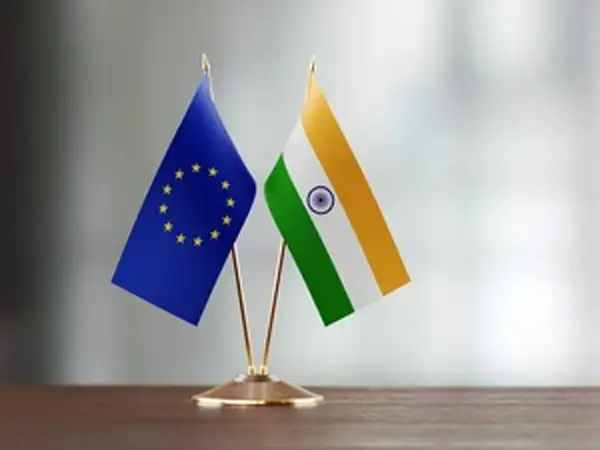

Indo EU trade talks stall at a critical moment for India’s export driven manufacturing sectors. This is a time sensitive geopolitical and economic development with direct implications for tariffs, market access, and long term competitiveness of Indian exporters in Europe.
The pause in Indo EU trade negotiations affects industries already dealing with weak global demand, supply chain realignment, and rising compliance costs, making clarity on next steps essential for businesses and policymakers.
Why Indo EU Trade Talks Have Stalled Now
The Indo EU trade talks have stalled primarily due to unresolved differences on tariffs, sustainability standards, and regulatory alignment. The European Union is pushing for stronger commitments on labour standards, environmental norms, and carbon linked regulations, while India is seeking greater flexibility for domestic manufacturers.
India has raised concerns over the EU’s carbon border adjustment mechanism, which could impose additional costs on carbon intensive exports. At the same time, India wants deeper market access for textiles, pharmaceuticals, engineering goods, and IT enabled services.
Both sides are also negotiating investment protection clauses and dispute resolution mechanisms, which remain sensitive due to past treaty experiences. These unresolved issues have slowed momentum despite multiple negotiation rounds.
Impact on India’s Manufacturing Sector
India’s manufacturing sector relies heavily on export predictability. The stalled talks delay potential tariff reductions on goods such as auto components, machinery, chemicals, and consumer products. Without a trade agreement, Indian manufacturers continue to face higher duties compared to competitors from countries with preferential access to EU markets.
Small and medium manufacturers are particularly exposed. Many Tier 2 industrial clusters depend on European buyers for steady orders. Higher compliance costs without tariff relief squeeze margins and reduce pricing competitiveness.
The lack of progress also impacts long term investment decisions. European companies considering manufacturing bases in India often factor trade agreements into supply chain planning.
What It Means for Indian Exports to Europe
The European Union remains one of India’s largest export destinations. Stalled negotiations mean exporters must continue operating under existing trade terms without safeguards against future regulatory changes.
Sectors like textiles and garments face strong competition from countries with lower duties. Engineering goods and automotive exports risk losing share if cost structures worsen. Pharmaceutical exports, while resilient, face regulatory harmonization challenges that a trade deal could have eased.
Exporters also face uncertainty around future sustainability linked requirements, which could increase documentation and compliance burdens without reciprocal benefits.
Effect on MSMEs and Tier Two Export Hubs
Tier two cities play a major role in India’s export ecosystem. Cities known for leather goods, auto ancillaries, engineering components, and textiles depend on stable European demand.
For MSMEs, the stalled Indo EU trade talks mean limited negotiating power and reduced ability to absorb cost increases. Many rely on narrow margins and long term contracts. Delays in tariff relief directly affect order volumes and employment stability.
Without trade facilitation measures, smaller exporters may shift focus to alternative markets, which requires time and new compliance investments.
Strategic and Policy Implications for India
From a policy perspective, the stall highlights the challenge of balancing domestic priorities with global trade expectations. India is cautious about binding commitments that could constrain future industrial policy or increase compliance pressure on small manufacturers.
At the same time, prolonged delays risk India being perceived as a slower moving trade partner compared to regional competitors. This can affect broader trade diplomacy and foreign direct investment flows.
The situation also underscores the need for internal reforms that improve export competitiveness regardless of trade agreements, including logistics efficiency and regulatory simplification.
What Businesses Should Do Next
Export oriented businesses should not assume quick resolution. Companies need to plan for continued operations under current trade rules. Diversifying export markets, reviewing cost structures, and strengthening compliance capabilities are immediate priorities.
Manufacturers targeting the EU should prepare for stricter sustainability disclosures even without a formal agreement. Early adaptation reduces future disruption.
Engaging with export promotion councils and staying informed on negotiation developments can help businesses respond quickly when talks resume.
Takeaways
Indo EU trade talks stall delays tariff relief for Indian manufacturers
Exporters continue facing high compliance costs without added market access
Tier two manufacturing hubs are more exposed to prolonged uncertainty
Businesses must plan for status quo trade conditions in the near term
FAQs
Why are Indo EU trade talks important for India
They aim to reduce tariffs, improve market access, and provide regulatory clarity for Indian exporters.
Which sectors are most affected by the stalled talks
Manufacturing sectors like textiles, auto components, engineering goods, and chemicals face the biggest impact.
Does the stall mean talks are cancelled
No. Talks are paused due to unresolved issues and can resume when consensus improves.
Should exporters expect immediate changes
No immediate changes apply. Current trade rules remain in place until an agreement is reached.