
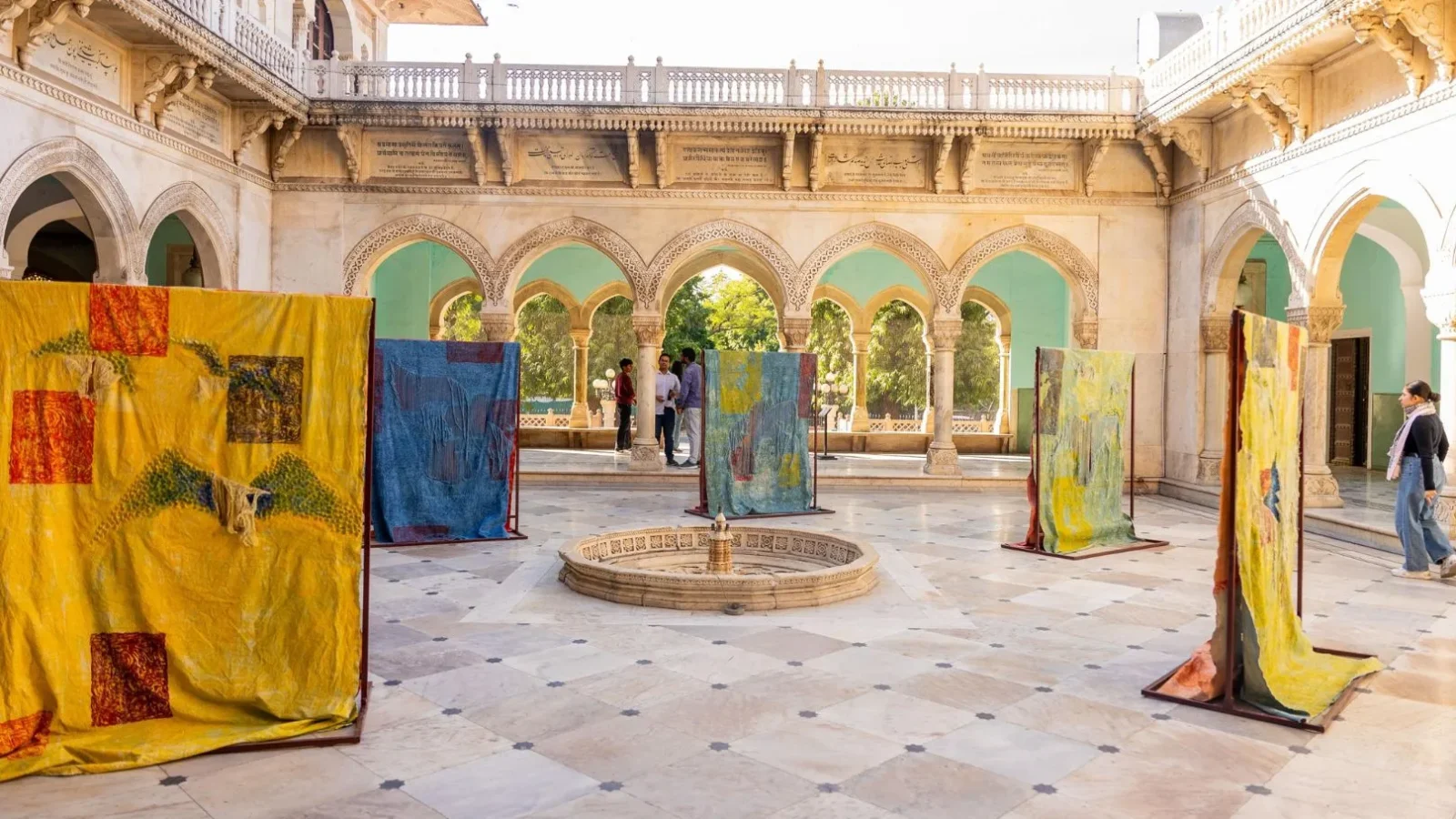

The Jaipur Literature Festival draws diverse voices from across India and the world, reinforcing its role as a key cultural platform. This year’s edition reflected changing reader interests, sharper political awareness, and a broader definition of literature that goes beyond books into public discourse.
Jaipur Literature Festival draws diverse voices is a time sensitive cultural event. The intent is news reporting with interpretive analysis for culture readers, focusing on themes, participation patterns, and what the festival signals about reading, writing, and intellectual engagement today.
A Broader Definition of Literature Takes Center Stage
One of the most visible shifts at the Jaipur Literature Festival this year was the expansion of what counts as literature. Panels moved beyond fiction and poetry into journalism, digital storytelling, history, memoirs, and public policy. Writers shared space with filmmakers, academics, translators, and social commentators. This reflected a reader base that now consumes ideas across formats rather than through books alone. For culture readers, this signals a festival responding to attention spans shaped by podcasts, long form essays, and social media discourse while still grounding conversations in depth and context.
Indian Languages and Regional Voices Gain Prominence
The festival placed noticeable emphasis on Indian language writers and translators. Sessions featuring Hindi, Urdu, Marathi, Tamil, and regional literature drew packed audiences, especially younger attendees. Translation emerged as a recurring theme, not just as a literary tool but as cultural preservation. Tier 2 and Tier 3 audiences found stronger representation through discussions on regional histories, folk traditions, and local narratives. This shift reflects a growing confidence in non English literary markets and a demand for stories rooted in lived Indian experiences rather than global validation.
Political and Social Conversations Remain Central
As expected, political and social themes were unavoidable. Discussions on democracy, media freedom, identity, and governance were among the most attended sessions. Rather than confrontational debates, the tone leaned toward reflective analysis, with writers and thinkers unpacking long term implications rather than reacting to headlines. For readers, this positioned the festival as a space for slow thinking in contrast to fast news cycles. The popularity of these sessions underlined how literature festivals have become forums for civic dialogue, not just cultural celebration.
Youth Engagement and First Time Festival Goers
A significant takeaway from this year’s Jaipur Literature Festival was the visible presence of young attendees. College students, first time visitors, and aspiring writers formed a large share of the audience. Workshops, open mic sessions, and informal interactions proved as popular as headline panels. This indicates that festivals are no longer passive listening spaces but experiential learning environments. The rise in youth participation also explains the inclusion of themes like mental health, social media influence, climate anxiety, and career uncertainty, topics that resonate strongly with younger readers.
The Business of Publishing and Writing Today
Panels addressing the publishing ecosystem attracted steady interest. Conversations focused on shrinking attention spans, discoverability challenges, and the evolving role of editors and agents. Writers spoke candidly about the realities of advances, royalties, and alternative income streams such as speaking, teaching, and digital platforms. For serious readers and aspiring authors, these sessions offered clarity rather than romanticism. The message was consistent: writing remains culturally valuable, but sustainability requires adaptability and realistic expectations.
Digital Platforms and the Changing Reader Writer Relationship
Another recurring theme was the impact of digital platforms on reading habits. Writers discussed how newsletters, short form content, and audio formats are reshaping how audiences engage with ideas. Rather than dismissing these shifts, many speakers acknowledged them as extensions of literary culture. Readers today often encounter an author first through a post or podcast before picking up a book. The festival mirrored this reality by giving space to creators who operate across mediums, reflecting a blended literary ecosystem.
Global Voices and Cross Cultural Exchange
International participation remained strong, with writers from different regions offering perspectives on global conflicts, migration, and cultural identity. These sessions highlighted parallels between Indian and global experiences rather than framing them as separate conversations. For culture readers, this reinforced the festival’s role as a connector of ideas across borders. However, the balance leaned clearly toward Indian narratives, signaling confidence in local stories holding global relevance without dilution.
What the Festival Signals About Cultural Consumption
The Jaipur Literature Festival continues to evolve from a book centric event into a broader cultural forum. The audience response suggests readers want context, nuance, and long form thinking amid a fragmented media environment. Festivals now function as trust building spaces where ideas are explored without algorithmic pressure. For publishers, writers, and cultural institutions, this underscores the value of physical intellectual gatherings even in a digital age.
Takeaways
- Jaipur Literature Festival reflects a broader and more inclusive definition of literature
- Regional language writing and translation gained stronger visibility
- Youth participation is reshaping themes and formats
- The festival functions as a space for civic and cultural dialogue
FAQs
Is Jaipur Literature Festival only for book readers?
No, it now attracts audiences interested in journalism, history, public policy, and cultural debate.
Why are regional language sessions gaining popularity?
Readers are seeking authentic local narratives and cultural representation beyond English language publishing.
Do literature festivals influence reading trends?
They shape conversations, spotlight emerging voices, and often drive interest in specific themes and authors.
Is the festival relevant for young audiences?
Yes, growing youth participation shows its relevance as a learning and engagement platform.