
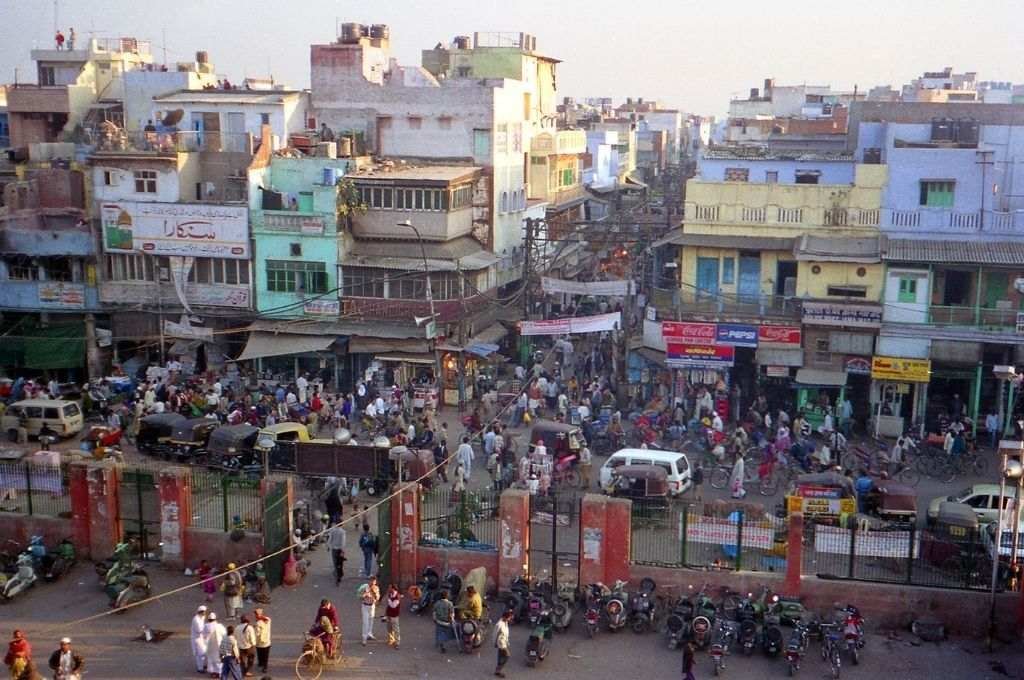

Local leadership and development have taken center stage as small city councils across India greenlight new urban projects aimed at improving infrastructure, livability, and economic activity. These decisions reflect how grassroots governance increasingly shapes growth outcomes beyond major metropolitan areas.
Local leadership and development initiatives at the city council level are no longer symbolic. In 2026, approvals for roads, water systems, housing upgrades, and public amenities in small cities directly influence employment, real estate demand, and quality of life. Unlike state or central projects, these decisions have immediate local impact and faster execution cycles.
Why Small City Councils Matter More Today
Small city councils operate closest to the ground. They understand local bottlenecks such as traffic choke points, water shortages, waste management gaps, and housing stress. This proximity allows them to prioritize projects that directly affect daily life rather than broad policy objectives.
In recent years, fiscal decentralization and increased municipal funding have given councils more autonomy. With clearer budget allocations and defined timelines, councils are approving targeted projects instead of waiting for state level intervention. This shift has strengthened accountability, as citizens can directly observe outcomes tied to elected representatives.
Urban projects approved at this level also face fewer bureaucratic layers. This improves execution speed and reduces cost overruns, making local governance more effective.
Types of Urban Projects Being Greenlit
Urban projects approved by small city councils typically fall into essential infrastructure categories. Road widening, drainage upgrades, LED street lighting, and footpath redevelopment remain top priorities. These projects address safety and mobility while improving city aesthetics.
Water supply and sewage systems are another focus area. Councils are approving pipeline replacements, water treatment upgrades, and rainwater harvesting systems to address long standing shortages and seasonal stress.
Public spaces are also gaining attention. Parks, community halls, and local markets are being modernized to encourage social activity and support informal economies. These projects may appear modest individually but collectively transform urban experience.
Role of Local Leadership in Project Selection
Leadership quality plays a decisive role in how effectively urban projects are planned and approved. Councils led by proactive representatives tend to prioritize data driven decision making and citizen feedback.
Elected leaders who engage regularly with residents identify pain points early. This leads to projects that solve real problems rather than cosmetic upgrades. Transparency in tendering and monitoring also improves when leadership is hands on.
In contrast, weak leadership often results in delayed approvals or poorly aligned projects. This highlights why local elections matter as much as state or national ones for development outcomes.
Economic Impact on Small Cities
Urban projects greenlit by councils have direct economic effects. Construction activity creates short term employment for local workers and contractors. Material sourcing often happens locally, supporting small businesses.
Improved infrastructure attracts private investment. Better roads, reliable water supply, and cleaner public spaces make cities more appealing for retail, housing, and service sector expansion. This helps small cities retain talent that might otherwise migrate to metros.
Property values often stabilize or rise following infrastructure upgrades. While this benefits owners, councils must balance development with affordability to avoid displacement.
Challenges in Execution and Oversight
Despite approvals, execution remains a challenge. Limited technical capacity, contractor delays, and coordination issues can slow progress. Councils with weak monitoring mechanisms risk cost overruns and compromised quality.
Funding constraints also matter. While projects are greenlit, phased releases and dependency on higher level grants can disrupt timelines. Strong financial planning and realistic budgeting are essential.
Public communication is another weak area. Residents often remain unaware of project scope or timelines, leading to frustration. Councils that publish regular updates tend to face fewer conflicts.
Citizen Participation and Accountability
Citizen involvement improves project outcomes. Public consultations, grievance portals, and ward level meetings help councils refine priorities and detect issues early.
When residents feel included, compliance improves during construction disruptions. Accountability also increases, as elected members face direct feedback. This creates a virtuous cycle where better governance leads to higher trust.
Digital tools are increasingly used for tracking progress and collecting feedback. Even small cities are adopting basic dashboards to improve transparency.
Long Term Significance for Urban India
The rise of local leadership and development through small city councils signals a broader shift in India’s urban growth model. Development is becoming distributed rather than metro centric.
Over time, consistent project execution at the local level can reduce pressure on large cities by improving opportunities elsewhere. This supports balanced regional growth and resilience.
The success of these projects will determine whether small cities can evolve into sustainable urban centers rather than transitional towns.
Takeaways
Small city councils now play a critical role in urban development decisions
Local leadership quality directly affects project relevance and execution
Council approved projects generate local jobs and attract private investment
Citizen participation strengthens accountability and project outcomes
FAQ
What kind of projects do small city councils approve most often
Essential infrastructure such as roads, water systems, lighting, and public spaces.
Do these projects create employment
Yes, they generate local construction and service related jobs.
How can citizens track project progress
Through council meetings, local notices, and emerging digital dashboards.
Are small city projects funded independently
They use a mix of municipal budgets and higher level grants.