
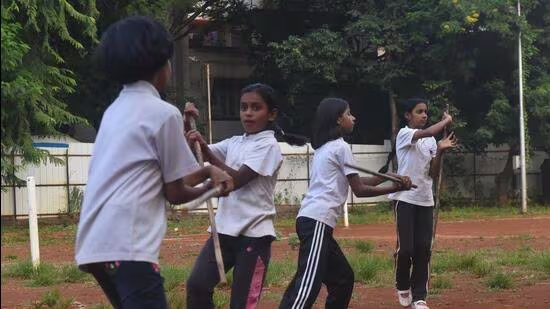

Maharashtra’s plan to train 21,000 schoolgirls in martial arts marks a significant step toward safety, confidence, and physical empowerment. This article explains what the initiative involves, why it matters, and how it could influence education, gender safety, and local communities across the state.
The announcement that Maharashtra will train 21,000 schoolgirls in martial arts is time sensitive and policy driven. The intent of this topic is news based and informational. The tone below focuses on factual impact, implementation context, and social outcomes rather than advocacy or speculation.
What the Martial Arts Training Program Involves
The Maharashtra government’s initiative aims to introduce structured martial arts training for schoolgirls within the formal education system. The program targets government school students and focuses on disciplines such as karate, taekwondo, judo, and kickboxing.
Training is designed to be age appropriate and conducted by certified instructors. It focuses on self defense techniques, physical fitness, and mental discipline rather than competitive fighting. Sessions are expected to be held during school hours or as part of structured extracurricular activities.
By integrating martial arts into schools, the program ensures access for girls who may not otherwise have exposure to self defense training due to financial or social barriers.
Why the Program Focuses on Schoolgirls
The decision to focus on schoolgirls addresses long standing concerns around safety, mobility, and confidence among young girls. Many students in rural and semi urban areas travel long distances to school, often facing safety risks.
Martial arts training helps girls build situational awareness, reflexes, and confidence to respond to threatening situations. Beyond physical skills, such programs promote self belief and assertiveness, which are critical during adolescence.
Targeting school age participants ensures early intervention. Skills learned at this stage often shape long term confidence, decision making, and personal boundaries.
Impact on Girls’ Safety and Confidence
One of the most direct outcomes of martial arts training is improved self defense capability. Girls trained in basic techniques are better equipped to escape unsafe situations and seek help.
Equally important is psychological empowerment. Training encourages discipline, focus, and resilience. Girls often report increased confidence, better posture, and willingness to speak up in classrooms and public spaces.
In regions where girls’ participation in sports is limited, martial arts offers a culturally adaptable entry point. It does not require expensive equipment or infrastructure, making it accessible across districts.
Role of Schools and Teachers in Implementation
Schools play a critical role in the success of this initiative. Administrators are responsible for scheduling sessions, coordinating instructors, and ensuring student safety during training.
Teachers often act as facilitators, encouraging participation and addressing parental concerns. Their support influences attendance and long term engagement. Schools with existing physical education programs may integrate martial arts more smoothly.
Monitoring progress and maintaining consistent training standards across districts is essential. Uneven implementation could limit impact, especially in remote or under resourced areas.
Effects on Local Communities and Social Norms
The program’s influence extends beyond individual students. When girls gain confidence and physical skills, families and communities often respond with greater trust in girls’ independence.
In many local communities, seeing schoolgirls actively engaged in martial arts challenges traditional gender norms around physical activity and self protection. This visibility can encourage broader acceptance of girls’ participation in sports and leadership roles.
Local employment opportunities may also increase through the engagement of certified trainers, particularly women instructors who serve as role models.
Health, Fitness, and Academic Benefits
Martial arts training improves overall physical fitness, including strength, flexibility, balance, and coordination. Regular activity supports healthy growth and reduces sedentary habits linked to health issues.
There is also evidence that structured physical training supports better concentration and stress management. Students involved in disciplined physical activities often show improved classroom focus and attendance.
By embedding fitness within the school environment, the program supports holistic development rather than treating physical health as optional.
Challenges and Long Term Sustainability
While the initiative is ambitious, challenges remain. Consistent funding, instructor availability, and infrastructure support are critical for sustainability. Short term programs without follow up may lose effectiveness.
Parental awareness and acceptance are also important. Clear communication about safety standards and objectives helps build trust and participation.
To achieve long term impact, training should progress beyond introductory levels and be reinforced annually. Periodic assessments help measure outcomes and guide improvements.
How This Initiative Fits Into Broader Empowerment Efforts
The martial arts training program aligns with broader efforts to improve girls’ education, safety, and participation in public life. It complements initiatives related to schooling, health, and skill development.
Empowerment is most effective when multiple systems support it. Physical training, when combined with education and social awareness, strengthens long term outcomes.
Programs like this signal a shift from reactive safety measures to proactive capacity building among young girls.
Takeaways
- Maharashtra plans to train 21,000 schoolgirls in structured martial arts programs
- The initiative focuses on self defense, confidence, and physical fitness
- Schools and local communities play a key role in implementation
- Long term success depends on consistency, awareness, and follow up
FAQs
Which students are eligible for the martial arts training?
The program targets schoolgirls studying in government schools across selected districts.
Is the training focused on competition or self defense?
The primary focus is self defense, discipline, and fitness rather than competitive sport.
Will this training affect academic schedules?
Training is designed to be integrated into school routines without disrupting academics.
Can this program reduce safety risks for girls?
While no program eliminates risk entirely, martial arts training improves preparedness, confidence, and response capability.