
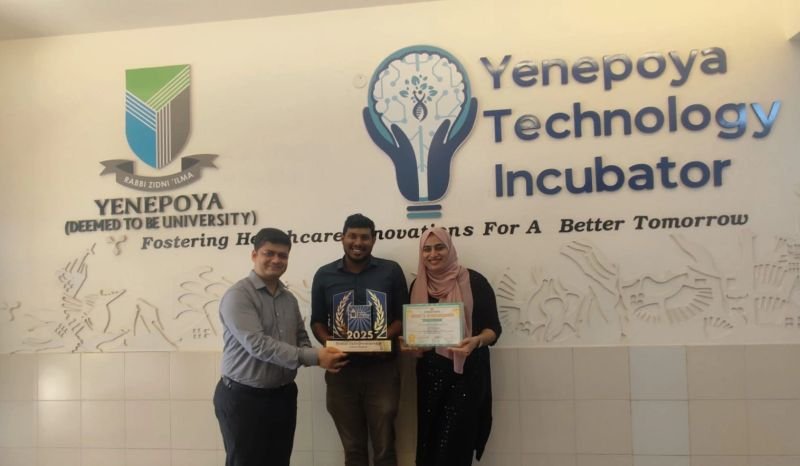

The main keyword appears naturally here as this article examines how the Mangaluru startup scene grows beyond Bengaluru and how the Yenepoya incubator strategy is shaping new opportunities for founders across coastal and Tier 2 markets.
Why Mangaluru’s Startup Expansion Matters Now
This topic is time sensitive because the region has recently received formal recognition for its technology business incubator and is actively positioning itself as an emerging alternative to Bengaluru for early stage founders. Mangaluru offers several advantages such as lower operating costs, strong educational institutions, high literacy rates and improving digital infrastructure. For founders seeking focused incubation support without the intense competition of metro ecosystems, the city presents a realistic pathway for building and scaling innovation driven ventures. Understanding the Yenepoya incubator’s strategy helps map where opportunities are forming and how founders can plug into the ecosystem effectively.
How Yenepoya Incubator Positions Mangaluru in the Startup Landscape
The Yenepoya foundation’s technology incubator has been recognised for its early stage innovation support, particularly in health technology, biotech and digital solutions. The strategy focuses on combining academic expertise, clinical access and entrepreneurial mentoring within a single ecosystem. This structure gives startups an advantage that many Tier 2 incubators lack. The incubator provides access to research laboratories, ethical guidance, preclinical validation support and structured mentoring cycles. Startups working on diagnostics, medical devices, hospital process optimisation and public health solutions gain a practical testing ground. This approach positions Mangaluru as a credible innovation hub where founders benefit from local institutional depth rather than depending solely on metro based resources.
Lower Costs and Strong Talent as Competitive Advantages
Mangaluru’s cost structure is significantly lighter than Bengaluru’s across office rentals, salaries, prototyping services and compliance overheads. This strengthens the ability of early stage startups to extend their runway. Talent availability is another advantage. The city hosts reputed colleges producing graduates in engineering, life sciences, nursing, pharmacy and data analytics. The Yenepoya incubator leverages this talent pool by facilitating internships and collaboration projects. Startups receive access to motivated teams without the hiring pressure of larger metropolitan markets. Founders can also work closely with faculty members who bring domain expertise in biology, medicine and health systems. This combination reduces execution delays and accelerates prototype development.
Incubation Process and Support Structure for Founders
The Yenepoya incubator follows a structured process that begins with idea evaluation and feasibility assessment. Startups must articulate problem statements clearly and align their projects with real world needs. Once accepted, founders receive workspace, mentorship and access to testing facilities. Regular review sessions identify gaps in technology, business model, regulatory pathways and user research. The incubator’s strategy places emphasis on early validation, ensuring that founders do not build solutions without confirming clinical relevance or operational feasibility. This disciplined approach reduces failure rates and improves investor confidence. Additional support includes guidance on intellectual property, regulatory documentation and grant applications that are crucial for health sector ventures.
Opportunity Map for Startups in Health and Allied Sectors
Mangaluru’s healthcare infrastructure provides fertile ground for innovation. Opportunities exist in medical diagnostics, low cost devices, patient monitoring systems, digital therapy tools, clinical data management and lab automation. Tier 2 hospitals in the region are increasingly open to technology pilots that solve operational bottlenecks such as patient flow, staffing gaps or equipment utilisation. Founders focusing on preventive care and community health also gain access to rural outreach networks for field testing. Public health oriented innovators can work with local institutions to test AI enabled screening tools, telemedicine workflows and decision support systems. These sectors are strengthened by the incubator’s access to clinical experts who guide real world deployment.
Digital and Non Health Innovation Opportunities
While the incubator’s core strength lies in health innovation, Mangaluru’s ecosystem is also expanding in fintech, logistics, maritime technology, agritech and education solutions. The coastal economy includes fisheries, port logistics and food processing units that require digital transformation. Startups can tap into these sectors by building workflow tools, inventory optimisation systems or quality assurance platforms. Educational institutions in the city create opportunities for edtech products focused on skill development, digital literacy and professional training. The lower complexity of these markets allows first time founders to test business models quickly and iterate based on user response.
Funding Pathways and Growth Potential for Mangaluru Startups
Early stage funding in Mangaluru is growing through grants, CSR backed innovation programs and angel networks interested in supporting regional development. The Yenepoya incubator helps founders prepare for competitive grant applications. These funds often support prototype building, testing and early market pilots. As startups mature, they can approach nationwide venture networks. Mangaluru based ventures that demonstrate strong validation often attract investors looking for capital efficient business models. Long term, the region may develop specialised funding pools focused on health and coastal economy solutions.
Takeaways
Mangaluru is emerging as a credible Tier 2 startup hub with strong institutional backing.
Yenepoya incubator provides structured support, clinical access and domain expertise for founders.
Cost efficiency and talent availability give startups longer runway and faster execution speed.
Healthtech, logistics, maritime and edtech sectors offer strong opportunity maps for new ventures.
FAQs
Q1. Is the Mangaluru startup ecosystem suitable for first time founders
A. Yes. The ecosystem prioritises early stage support, structured mentoring and cost efficient development that benefit new founders.
Q2. Does the Yenepoya incubator support only health sector startups
A. Health and biotech are core strengths, but digital and allied sector innovations are also considered based on feasibility.
Q3. What makes Mangaluru competitive compared to Bengaluru
A. Lower costs, strong institutional support, easier access to talent and reduced operational pressure create a more founder friendly environment.
Q4. How can startups access funding in Mangaluru
A. Funding is available through grants, incubator backed programs and regional angel investors, with additional opportunities through national networks.