

Several Indian state governments have introduced updated EV subsidy policies in 2026 to accelerate electric vehicle adoption beyond metro cities. These incentives are now reshaping demand patterns in Tier-2 and Tier-3 regions by making EV ownership more affordable and practical.
State governments rolling out new EV subsidies is a time-sensitive development as multiple states revise electric vehicle policies to align with national clean mobility targets. The focus is shifting toward smaller cities where adoption has been slower due to cost barriers and limited infrastructure.
What the New EV Subsidy Policies Include in 2026
Recent EV subsidy updates across states like Maharashtra, Gujarat, Tamil Nadu, and Uttar Pradesh focus on reducing upfront costs and expanding benefits to a wider audience. These policies typically include direct purchase subsidies, road tax exemptions, and registration fee waivers.
For example, electric two-wheelers and three-wheelers are receiving higher incentives compared to previous years, as they are more relevant for daily commuting and commercial use in smaller cities. Some states are also offering additional benefits for scrapping old vehicles and switching to electric alternatives.
Battery capacity based incentives remain a common structure, where higher range vehicles receive higher subsidies. In addition, states are aligning their policies with central schemes like FAME to ensure combined benefits for consumers.
Impact of EV Subsidies on Tier-2 and Tier-3 Cities
The biggest impact of new EV subsidies is being observed in Tier-2 and Tier-3 cities where affordability plays a decisive role in purchase decisions. Lower upfront costs are making electric scooters and e-rickshaws more accessible to middle-income households.
Cities like Nagpur, Indore, Lucknow, and Coimbatore are seeing increased EV registrations, especially in the two-wheeler segment. Delivery services, small business owners, and daily commuters are among the early adopters.
For commercial use, electric three-wheelers are becoming a preferred option due to lower running costs compared to petrol and diesel vehicles. This shift is particularly visible in logistics and last-mile delivery sectors.
Charging Infrastructure Expansion in Smaller Cities
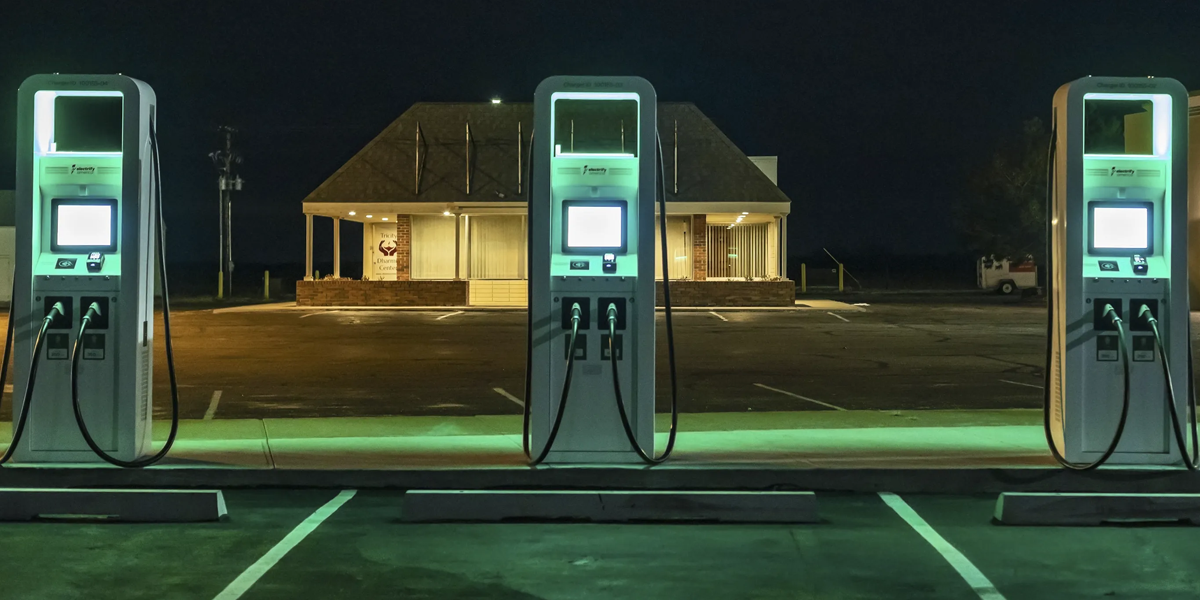
One of the earlier challenges in EV adoption was the lack of charging infrastructure in non-metro areas. State governments are now addressing this gap by incentivizing the installation of public charging stations.
Policies include subsidies for private players setting up charging points and mandates for new residential and commercial buildings to include EV charging provisions. Oil marketing companies and power utilities are also expanding charging networks in smaller cities.
While infrastructure is still developing, the availability of home charging for two-wheelers reduces dependency on public stations. This makes EVs more practical for daily use in Tier-2 environments.
Cost Savings and Long-Term Benefits for Consumers
EV subsidies significantly reduce the total cost of ownership. Even after the initial purchase, electric vehicles offer lower running and maintenance costs compared to traditional fuel vehicles.
Electric two-wheelers, for instance, cost significantly less per kilometer to run compared to petrol scooters. Maintenance is also lower due to fewer moving parts.
For households in smaller cities, where fuel expenses form a large part of monthly budgets, this shift can result in meaningful savings over time. Subsidies further improve the value proposition, making EVs a financially viable choice.
Challenges That Still Affect EV Adoption in Smaller Cities
Despite subsidies, some barriers remain. Awareness about EV benefits and subsidy schemes is still limited in many regions. Consumers may hesitate due to concerns about battery life, resale value, and charging availability.
Financing options for EVs are improving but are not yet as widespread as traditional vehicle loans in smaller towns. Limited dealership presence for certain EV brands also affects accessibility.
Additionally, subsidy disbursement processes can sometimes be delayed, depending on the state and implementation efficiency. This can impact consumer confidence.
What to Expect in the Coming Months
With state governments actively promoting electric mobility, EV adoption in smaller cities is expected to grow steadily through 2026. More localized campaigns and infrastructure investments are likely to follow.
Automakers are also launching models specifically designed for Tier-2 markets, focusing on affordability and practical range. As competition increases, pricing is expected to become more competitive.
The combination of policy support, cost savings, and infrastructure expansion indicates a gradual but clear shift toward electric mobility beyond metro cities.
Takeaways
- New EV subsidies are reducing upfront costs for buyers in smaller cities
- Electric two-wheelers and three-wheelers are leading adoption trends
- Charging infrastructure is expanding but still developing in Tier-2 areas
- Awareness and financing remain key challenges for wider adoption
FAQs
Q1. Which vehicles benefit the most from new EV subsidies?
Electric two-wheelers and three-wheelers receive the highest benefits as they are widely used in daily commuting and commercial activities.
Q2. Are EV subsidies available in all states?
Most states offer EV subsidies, but benefits and eligibility vary depending on local policies.
Q3. Is charging infrastructure available in smaller cities?
It is expanding gradually, with both public and private players setting up charging stations.
Q4. Do EVs really save money in the long run?
Yes, lower fuel and maintenance costs make EVs more economical over time.