
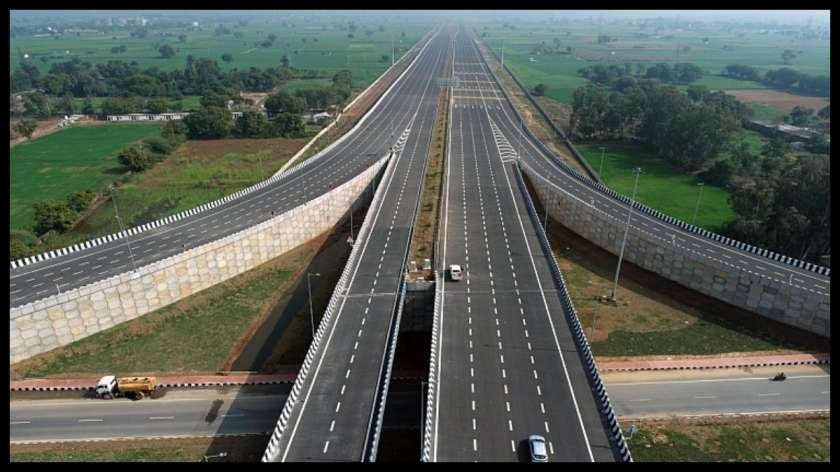

New expressway projects announced across Central India are set to improve regional connectivity, reduce travel time, and support economic growth. The latest infrastructure push focuses on linking key cities, industrial zones, and rural districts to strengthen transport efficiency in states like Madhya Pradesh, Maharashtra, and Chhattisgarh.
These developments are part of India’s broader highway expansion strategy aimed at improving logistics and boosting regional development.
Government Push for Expressway Expansion in Central India
The announcement of new expressway projects reflects continued investment in road infrastructure under national programs led by the Ministry of Road Transport and Highways. Central India has gained focus due to its geographic position and growing economic importance.
Several greenfield and brownfield expressway projects are being planned or executed to connect major corridors. These include routes linking cities such as Nagpur, Indore, Raipur, and Bhopal.
The government’s objective is to create high-speed corridors that reduce travel time and improve freight movement across states.
Key Routes and Strategic Importance of New Corridors
Among the notable developments are expressways that aim to connect industrial hubs and logistics centers. Projects such as the Nagpur to Raipur corridor and expansions linked to the Mumbai Nagpur Expressway are expected to play a critical role.
The National Highways Authority of India is actively involved in planning and execution. These corridors are designed to integrate with existing highway networks and upcoming economic zones.
Improved connectivity between Tier-2 cities is a major focus. This ensures that growth is not limited to metros and spreads to smaller urban centers.
Impact on Travel Time and Logistics Efficiency
One of the most immediate benefits of these expressway projects is reduced travel time. High-speed access-controlled roads allow faster and safer movement of both passengers and goods.
For example, routes that currently take six to eight hours could see travel time reduced by 30 to 40 percent once expressways are operational.
Logistics companies benefit from lower fuel consumption and quicker turnaround times. This improves supply chain efficiency and reduces costs for businesses.
Better road infrastructure also supports time-sensitive industries such as agriculture and perishable goods transportation.
Economic Benefits for Tier-2 and Tier-3 Cities
The expansion of expressways in Central India is expected to drive economic activity in smaller cities. Improved connectivity attracts investments in manufacturing, warehousing, and real estate.
Cities located along these corridors often see the development of industrial parks, logistics hubs, and commercial zones. This creates employment opportunities and boosts local economies.
For regions that were previously less accessible, expressways open up new business possibilities and improve access to markets.
This shift supports balanced regional development and reduces dependence on metro cities.
Land Acquisition and Implementation Challenges
Despite the benefits, expressway projects face challenges related to land acquisition and project execution. Acquiring land in rural and semi-urban areas can lead to delays due to legal and compensation issues.
Environmental clearances and coordination between multiple agencies also impact timelines. In some cases, cost escalation becomes a concern if projects are delayed.
Authorities are working to streamline approval processes and ensure fair compensation to affected landowners.
Efficient project management is critical to ensure timely completion and avoid disruptions.
Integration with National Infrastructure Plans
These expressway projects are aligned with larger initiatives such as Bharatmala Pariyojana, which aims to enhance road connectivity across the country.
Integration with railways, ports, and industrial corridors is also being planned to create a multi-modal transport network.
This approach ensures that expressways are not standalone projects but part of a larger infrastructure ecosystem.
Central India’s location makes it a key link between northern, western, and southern regions, increasing the strategic importance of these developments.
What This Means for Daily Commuters and Businesses
For daily commuters, expressways offer faster and safer travel options. Reduced congestion on existing highways also improves overall traffic conditions.
Businesses benefit from improved access to suppliers and customers. This is particularly important for small and medium enterprises operating in Tier-2 cities.
Tourism may also see a boost as better roads make travel to destinations more convenient.
Overall, the projects are expected to enhance quality of life and economic opportunities across the region.
Takeaways
• New expressways aim to improve connectivity across Central India
• Travel time and logistics efficiency are expected to improve significantly
• Tier-2 cities will benefit from increased investment and job opportunities
• Land acquisition and execution remain key challenges
FAQs
Q1. Which regions are covered under new expressway projects
Central India including parts of Maharashtra, Madhya Pradesh, and Chhattisgarh.
Q2. Who is responsible for building these expressways
The Ministry of Road Transport and Highways and NHAI oversee most projects.
Q3. How will expressways benefit small cities
They improve connectivity, attract investment, and create jobs.
Q4. When will these projects be completed
Timelines vary by project, but many are expected over the next few years.