
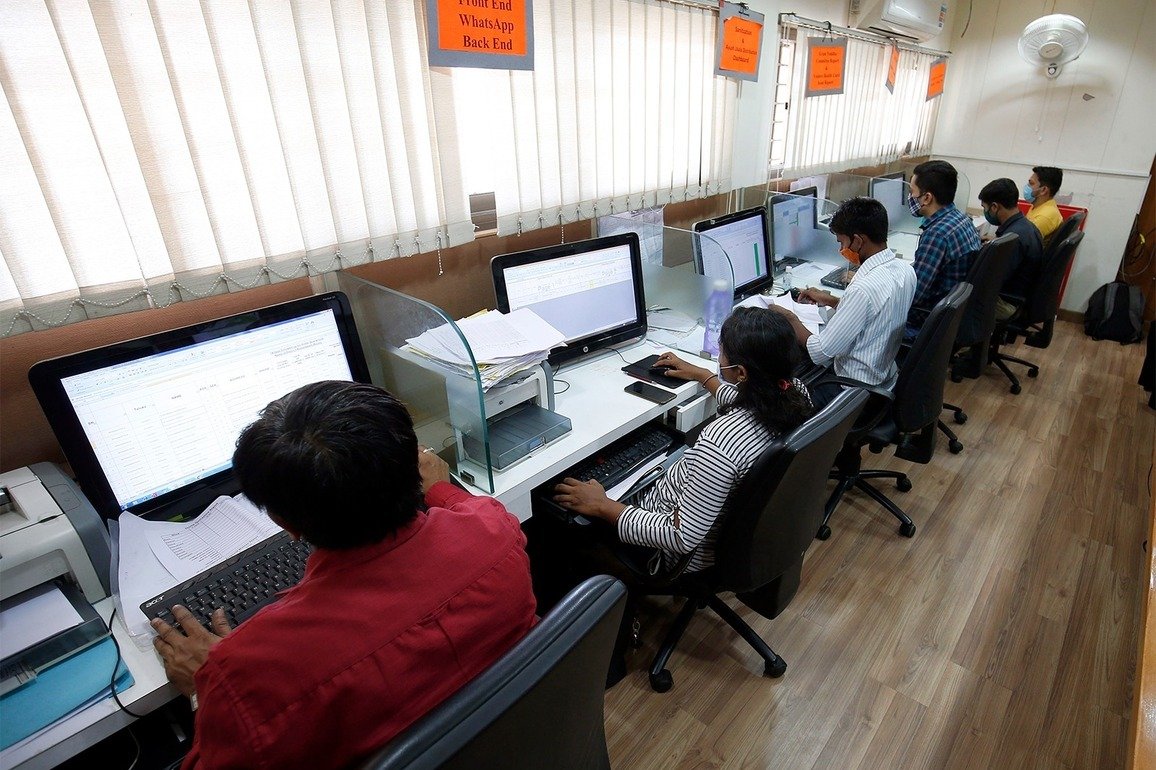

New IT SEZ approvals are expected to reshape India’s employment landscape by expanding technology driven opportunities beyond major metropolitan hubs. As policy focus shifts toward regional growth, smaller cities are positioned to benefit from increased investment, infrastructure development, and skilled job creation.
New IT SEZ approvals and what they mean for job creation outside metro cities is a time sensitive topic because it reflects ongoing policy decisions and investment trends shaping India’s economic development. Special Economic Zones focused on information technology are being promoted to decentralize growth, reduce urban congestion, and create new employment ecosystems in emerging urban regions.
Understanding the role of IT SEZs in regional economic planning
Information Technology Special Economic Zones are designated areas offering tax incentives, infrastructure support, and regulatory ease to encourage business investments. These zones aim to attract domestic and global companies seeking cost efficient expansion locations. By moving operations beyond traditional metros, IT SEZs support balanced regional development.
Government policies promoting digital infrastructure and industrial diversification have strengthened the appeal of smaller cities. With improved connectivity, reliable power supply, and urban planning initiatives, Tier 2 and Tier 3 locations are becoming viable alternatives for technology firms. This shift aligns with broader national goals of inclusive economic growth.
Impact of new approvals on employment opportunities
The approval of new IT SEZ projects directly influences job creation across multiple skill levels. Software development, technical support, data management, and digital services roles are likely to expand in non metro regions. These opportunities benefit local graduates who previously migrated to larger cities for employment.
Indirect employment also increases through ancillary sectors such as construction, transportation, hospitality, and retail. As new business districts emerge, local economies experience higher consumption and investment activity. This multiplier effect strengthens regional financial stability and enhances living standards.
Infrastructure development and urban transformation in smaller cities
Establishing IT SEZs requires significant infrastructure investment including office complexes, transport networks, and digital connectivity systems. Such developments often lead to improved public amenities, better housing projects, and expanded civic services. These changes contribute to long term urban transformation.
Regional administrations play a crucial role in facilitating land acquisition, environmental clearances, and logistical coordination. Successful implementation of SEZ projects depends on collaboration between government agencies, private developers, and local communities. Efficient planning ensures that growth remains sustainable and inclusive.
Challenges and considerations for sustainable job growth
While IT SEZ approvals create promising employment prospects, challenges such as skill gaps and urban planning constraints must be addressed. Workforce training programs and partnerships with educational institutions are essential to meet industry requirements. Without adequate talent development, new job opportunities may remain underutilized.
Environmental considerations and equitable land use policies also influence project outcomes. Authorities must balance industrial expansion with ecological sustainability and community welfare. Transparent governance and public participation help maintain trust during the development process.
Long term implications for India’s digital economy expansion
The expansion of IT SEZs beyond metropolitan regions reflects a structural shift in India’s digital economy. Distributed technology hubs can reduce pressure on major urban centres while fostering innovation in new locations. This approach supports resilience by diversifying economic activity geographically.
For young professionals, regional job creation offers opportunities to build careers closer to home. Companies benefit from lower operational costs and access to untapped talent pools. Over time, these developments may redefine India’s employment geography and strengthen global competitiveness.
Takeaways
• New IT SEZ approvals are designed to promote job creation in non metro regions
• Regional infrastructure improvements support long term economic growth
• Skill development initiatives are crucial to maximize employment benefits
• Balanced planning ensures sustainable urban transformation and investment outcomes
FAQs
What are IT SEZs and why are they important for job creation
They are designated economic zones offering incentives to technology companies, helping generate employment and regional development.
How do IT SEZ approvals benefit smaller cities specifically
They attract investment, create direct and indirect jobs, and improve local infrastructure.
What challenges can affect job growth in new IT SEZ regions
Skill shortages, environmental concerns, and urban planning issues may influence project success.
Can IT SEZ expansion reduce migration to metro cities
Yes, by providing local employment opportunities, they can help professionals work closer to their hometowns.