

New Year weather disruption across North India has intensified with widespread rain, dense fog, and cold wave conditions affecting multiple states. Weather warnings issued for the last days of December and early January have direct implications for road, rail, and air travel, especially in districts with poor visibility and temperature drops.
This report explains the current weather pattern, district level impact, travel disruptions expected during New Year movement, and what commuters and travelers should prepare for in the coming days.
Weather System Driving Rain and Fog in North India
The current weather disruption in North India is driven by active western disturbances combined with high moisture levels and falling night temperatures. These conditions are ideal for persistent fog formation and intermittent rainfall across the Indo Gangetic plains.
States including Delhi, Uttar Pradesh, Haryana, Punjab, Rajasthan, Bihar, and parts of Himachal Pradesh are experiencing reduced visibility during night and early morning hours. Rainfall in some regions is light to moderate but sufficient to worsen road conditions and increase fog density.
Cold surface winds and low sunshine hours are further contributing to prolonged fog spells, particularly in districts located near rivers, agricultural belts, and low lying areas.
District Level Weather Impact and Visibility Conditions
In western Uttar Pradesh districts such as Ghaziabad, Meerut, Aligarh, and Bareilly, dense fog conditions are being reported during early morning hours, with visibility dropping significantly on highways and city roads.
Eastern Uttar Pradesh districts including Prayagraj, Varanasi, and Gorakhpur are facing moderate fog with occasional light rain, increasing the risk of traffic slowdowns and delays.
In Haryana and Punjab, districts like Gurugram, Hisar, Ludhiana, and Amritsar are seeing thick fog combined with cold wave conditions. This has resulted in poor driving conditions on national highways and expressways.
Parts of Rajasthan including Jaipur, Kota, and Bharatpur are experiencing patchy rain and shallow fog, while hilly districts in Himachal Pradesh are seeing colder temperatures and occasional precipitation at higher altitudes.
Impact on Road Travel During New Year Period
Road travel is expected to be the most affected during the New Year period. Dense fog during early morning and late night hours reduces visibility, increasing accident risk on highways and rural roads.
Expressways such as Delhi Meerut, Yamuna Expressway, and major state highways are particularly vulnerable during fog peaks. Traffic authorities often impose speed restrictions or temporary diversions under such conditions.
Private vehicle travelers, bus operators, and intercity taxis may experience delays, especially during overnight journeys. Two wheeler riders face higher risk due to moisture on roads and reduced reaction time in foggy conditions.
Travelers are advised to plan departures after sunrise where possible and avoid late night driving in fog prone districts.
Rail and Flight Disruptions Likely
Rail services across North India frequently face delays during dense fog periods. Trains originating or passing through fog affected districts may run late, sometimes by several hours.
Major junctions in Uttar Pradesh, Punjab, and Delhi region are particularly impacted due to prolonged low visibility during winter mornings. Passengers should expect rescheduling and extended travel times.
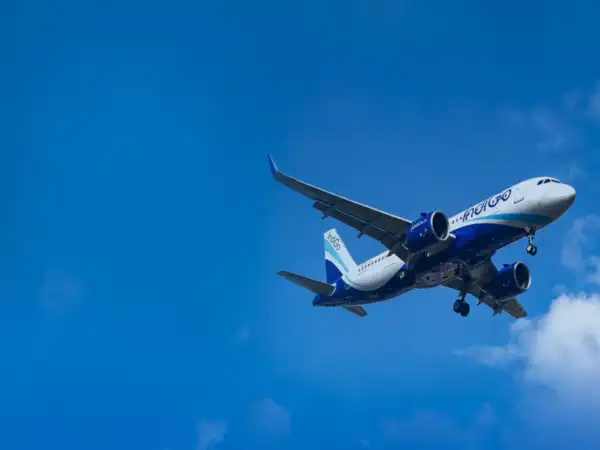
Flight operations at northern airports also face disruption. Low visibility procedures often lead to delayed arrivals and departures during early morning hours. Smaller regional airports may face higher cancellation risk compared to major hubs.
Travelers planning air journeys should monitor flight status closely and allow buffer time for airport transfers.
Impact on Hill Stations and Tourist Movement
Hill stations in Himachal Pradesh and Uttarakhand are experiencing colder conditions with occasional rainfall or snowfall at higher elevations. While this attracts tourists, it also increases road safety risks.
Mountain roads may become slippery due to moisture and low temperatures. Fog combined with sharp turns reduces visibility significantly in hilly terrain.
Tourists heading to popular winter destinations should check local advisories, road conditions, and weather updates before travel. Night driving in hills should be avoided unless necessary.
How Weather Disruption Affects Daily Life and Services
Beyond travel, the weather disruption affects daily routines and essential services. Schools in some districts may adjust timings due to cold wave conditions. Outdoor work slows down, impacting construction and agricultural activity.
Emergency services experience increased demand due to accidents and health issues linked to cold exposure. Elderly people and children are more vulnerable during prolonged cold spells.
Power consumption rises as households rely more on heating appliances, which can strain local grids during peak hours.
Safety and Travel Preparation Tips for Commuters
Travelers should take practical precautions during this weather phase. Vehicle headlights, fog lamps, and windshield defoggers should be in proper working condition.
Maintaining safe following distance and reducing speed during fog hours is essential. Avoid sudden braking and overtaking on highways.
For rail and air passengers, keeping flexible schedules and staying updated on delays helps reduce stress. Carrying essentials like warm clothing, water, and charged mobile devices is advisable.
Monitoring district specific weather updates rather than state level summaries provides more accurate planning information.
Outlook for the Next Few Days
Weather patterns suggest that fog and cold conditions will continue into early January in many North Indian districts. Rainfall activity may fluctuate but fog formation is likely to persist due to low night temperatures.
Travel disruptions may ease slightly during daytime hours but remain significant during mornings and nights. Planning travel windows carefully remains crucial.
Authorities may issue further advisories depending on evolving conditions, especially around peak holiday travel movement.
Takeaways
Dense fog and rain are affecting multiple North Indian districts during New Year travel
Road and rail travel face the highest disruption risk during early mornings and nights
District level conditions vary and require localized travel planning
Precautionary driving and flexible travel schedules reduce safety risks
FAQs
Which regions in North India are most affected by fog
Western and central districts of Uttar Pradesh, Haryana, Punjab, and Delhi region face the densest fog.
Will flights be cancelled due to fog
Delays are more common than cancellations, but smaller airports may see higher disruption during low visibility.
Is it safe to travel by road at night during fog
Night travel is risky during dense fog and should be avoided where possible.
How long will the weather disruption continue
Conditions are expected to persist into early January, with gradual improvement during daytime hours.