
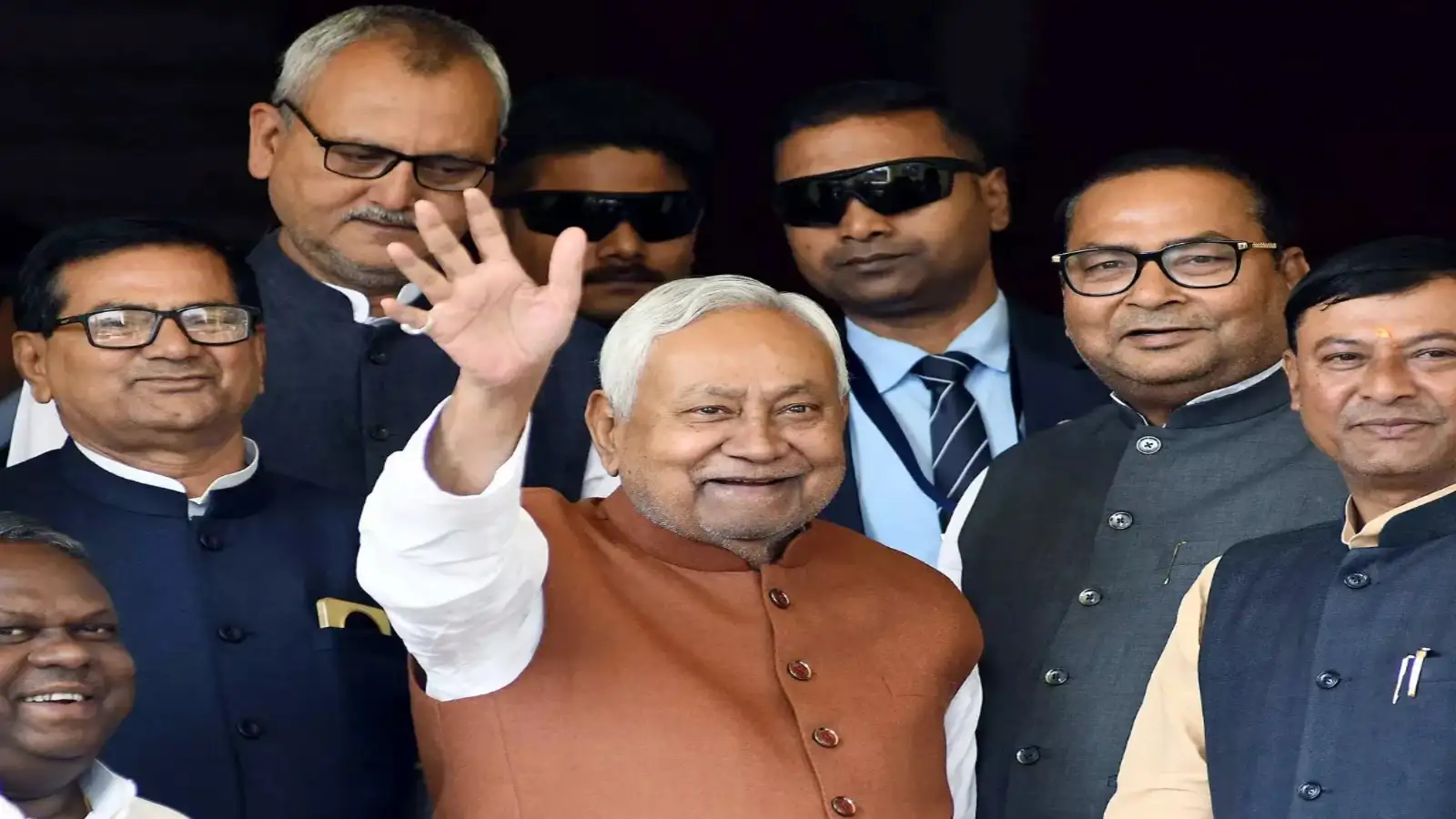

Speculation around Nitish Kumar’s possible move to the Rajya Sabha has triggered discussion about a potential political shift in Bihar. The development could influence state leadership dynamics and reshape political alignments ahead of upcoming electoral battles.
Nitish Kumar Rajya Sabha Move Sparks Political Discussion
The possibility of a Nitish Kumar Rajya Sabha move has created significant political discussion in Bihar. As one of the longest serving chief ministers in the state, any change in his political role could influence leadership within the government and party structure.
Nitish Kumar has played a central role in Bihar politics for decades. His leadership has shaped governance, development initiatives, and coalition politics in the state. A transition from state level leadership to the Rajya Sabha would represent a notable shift in political positioning.
Political observers are closely watching these developments because leadership changes at the top often trigger wider adjustments within parties and alliances.
If such a move happens, it could open the door for a new chief ministerial face in Bihar while allowing Nitish Kumar to remain active in national level politics.
Possible Impact on Bihar’s Political Leadership
A potential shift to the Rajya Sabha could reshape Bihar leadership by creating a leadership transition within the state government. When a sitting chief minister moves to Parliament, the ruling party or coalition must choose a successor to manage state administration.
Such leadership changes often influence internal party dynamics. Senior leaders within the ruling coalition may compete for the chief minister position, while parties also consider factors such as administrative experience, electoral appeal, and caste representation.
In Bihar, political leadership is closely linked with social alliances and regional political balance. Selecting a new chief minister would require careful negotiation within coalition partners and party leadership.
A leadership transition could also influence policy priorities and governance style in the state.
Nitish Kumar’s Role in National Politics
If Nitish Kumar enters the Rajya Sabha, it could expand his role in national political discussions. The Rajya Sabha allows experienced leaders to contribute to parliamentary debates, legislative discussions, and policy decisions.
Nitish Kumar has previously played an important role in coalition politics at the national level. His experience in governance and alliance management has often positioned him as an influential political figure beyond Bihar.
A presence in the upper house of Parliament could allow him to focus more on national policy issues, federal relations, and political strategy.
Senior leaders moving to the Rajya Sabha is not uncommon in Indian politics. It often allows experienced politicians to remain active in policymaking while new leadership emerges at the state level.
Such a shift can also help parties manage generational transitions within their leadership structure.
Coalition Dynamics in Bihar Politics
Bihar politics is shaped heavily by coalition alliances and shifting political partnerships. Changes in leadership can influence the balance between different parties within the ruling alliance.
If the chief minister position becomes vacant due to a leadership transition, coalition partners may negotiate the selection of a successor. Political parties often evaluate both electoral strategy and governance continuity when making such decisions.
Opposition parties may also attempt to use the situation to challenge the ruling alliance or strengthen their own political position.
Leadership changes sometimes trigger broader political realignments, especially in states where coalition politics plays a significant role.
The situation in Bihar is therefore being closely monitored by political observers and party leaders across the country.
Governance and Administrative Continuity
One important question surrounding any leadership transition is whether government policies and development programs will continue smoothly. Bihar has implemented several initiatives in areas such as infrastructure development, education, and social welfare over the past decade.
A new chief minister would likely aim to maintain administrative continuity while also introducing their own priorities.
Senior bureaucrats and government departments typically continue implementing existing policies regardless of leadership changes. However, political leadership often shapes the direction and pace of new initiatives.
For voters and citizens, the main concern is whether governance stability will be maintained during any political transition.
Political parties are therefore likely to focus on ensuring that administrative functioning remains steady even if leadership changes occur.
Political Implications for Future Elections
The potential Rajya Sabha move could also have implications for upcoming elections in Bihar. Leadership changes sometimes influence voter perception and campaign strategies.
Political parties may use the transition to highlight generational change or present a refreshed leadership team to voters.
Opposition parties could also attempt to frame the development as a sign of political uncertainty within the ruling alliance.
Electoral strategies in Bihar often revolve around social coalitions, development narratives, and leadership credibility.
If a new chief minister emerges, their ability to connect with voters and maintain coalition unity could shape future electoral outcomes.
The evolving situation will likely continue to influence political discussions in Bihar in the coming months.
Takeaways
Nitish Kumar’s possible Rajya Sabha move has triggered debate about Bihar leadership changes.
A transition could require the ruling alliance to select a new chief minister.
The move may expand Nitish Kumar’s role in national parliamentary politics.
Leadership changes could influence coalition dynamics and future elections in Bihar.
FAQs
What is the Rajya Sabha in India’s Parliament?
The Rajya Sabha is the upper house of Parliament where members represent states and participate in legislative discussions and policy debates.
Why is Nitish Kumar’s potential Rajya Sabha move significant?
Because he has been a central political leader in Bihar for many years, any change in his role could affect state leadership and coalition dynamics.
Would Bihar need a new chief minister if he moves to the Rajya Sabha?
Yes. If a sitting chief minister transitions to Parliament, the ruling party or coalition must appoint a new chief minister.
Could this political shift affect upcoming elections in Bihar?
Leadership changes often influence political strategy, voter perception, and coalition negotiations before elections.