
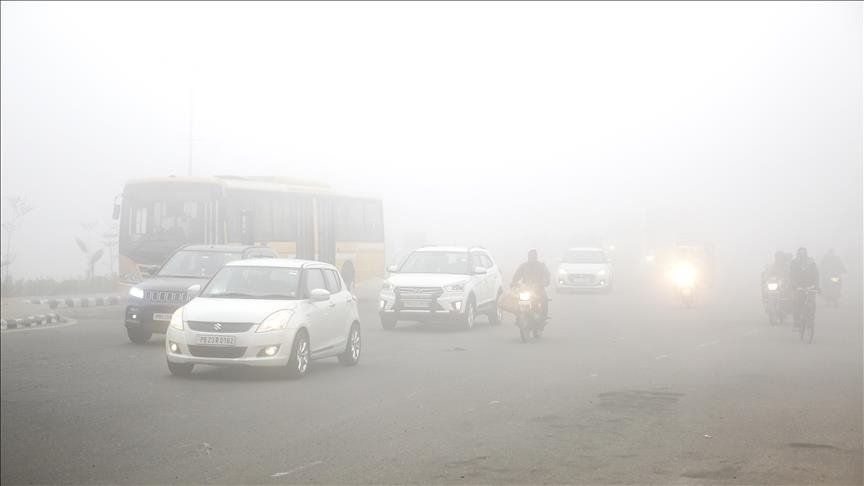

Northern India fog has once again disrupted flight operations across multiple airports, affecting passengers not only in metros but also in Tier 2 cities that rely heavily on connecting flights. Persistent winter fog, low visibility, and weather related safety protocols have triggered delays, diversions, and cancellations across the region.
Why Northern India Fog Causes Flight Disruptions
Northern India fog is a seasonal phenomenon that intensifies during winter months due to low temperatures, high moisture levels, and calm wind conditions. During early morning and late night hours, dense fog significantly reduces runway visibility, making aircraft landings and takeoffs unsafe.
Airports follow strict visibility based operating procedures. When visibility drops below defined thresholds, flights are either delayed, diverted to alternate airports, or cancelled altogether. This safety-first approach, while necessary, leads to cascading disruptions across airline schedules.
Unlike rain or storms, fog can persist for several hours or even days, making recovery slow. This is why even a short visibility drop in major hubs can impact flights across North India, including smaller cities connected to these hubs.
Impact on Tier Two City Airports and Passengers
Residents of Tier 2 cities face unique challenges during fog related disruptions. Airports in cities such as Lucknow, Amritsar, Dehradun, Chandigarh, Jaipur, and Varanasi often depend on aircraft arriving from Delhi or other northern hubs.
When fog disrupts operations at major airports, inbound flights to Tier 2 cities are delayed or cancelled first. This results in limited alternative options for passengers, especially on routes with fewer daily flights.
Passengers travelling for medical appointments, business meetings, or family emergencies are particularly affected. Hotel costs, missed connections, and lack of timely communication add to passenger stress in smaller cities where airline ground staff presence may be limited.
How Airlines Manage Fog Related Disruptions
Airlines use advanced navigation systems and trained crew to operate in low visibility conditions, but operations still depend on runway infrastructure and weather severity. Airports equipped with advanced landing systems can handle lower visibility compared to smaller airports.
When fog intensifies, airlines prioritise safety and may ground flights until conditions improve. Crew duty time limitations also play a role. Prolonged delays can force flight cancellations if crew exceed permissible working hours.
Airlines typically issue travel advisories and offer rebooking or refunds, but response times can be slower during widespread disruptions. Tier 2 city passengers may need to rely more on app notifications and helplines rather than airport counters.
What Tier Two City Residents Should Do Before Traveling
During peak fog season, passengers from Tier 2 cities should plan travel with extra buffer time. Morning flights are more likely to be affected due to dense fog conditions, while late afternoon flights often face fewer disruptions.
Checking flight status frequently on airline apps is essential. Relying on third party travel apps alone may not provide real time updates. Enabling SMS and app notifications directly from the airline helps avoid last minute surprises.
Passengers should also review airline policies related to weather disruptions. Understanding eligibility for free rescheduling or refunds can help make quicker decisions when flights are delayed or cancelled.
Ground Transport and Connectivity Challenges
Flight disruptions caused by northern India fog also increase pressure on ground transport. Trains and buses experience higher demand as stranded passengers look for alternatives.
However, fog affects road and rail transport as well. Reduced visibility can slow trains and increase accident risk on highways. This makes last minute travel shifts challenging, particularly for elderly passengers and families with children.
Tier 2 cities with limited overnight accommodation near airports face additional strain. Passengers may need to travel back home or arrange extended stays, increasing costs and inconvenience.
Role of Airport Infrastructure in Tier Two Cities
Airport infrastructure plays a critical role in managing fog disruptions. Many Tier 2 airports lack advanced landing systems required for operations in extremely low visibility.
Upgrading runway lighting, navigation aids, and weather monitoring systems can improve operational resilience. However, such upgrades require long term investment and coordination.
Until infrastructure improves uniformly, Tier 2 cities will continue to experience higher disruption rates during severe fog episodes compared to major metro airports.
Health and Safety Considerations During Fog Season
Foggy conditions also affect passenger health and comfort. Cold temperatures combined with long waiting hours can increase the risk of illness, especially for children and senior citizens.
Passengers should carry warm clothing, basic medicines, and essential food items when travelling during winter months. Staying hydrated and avoiding prolonged exposure to cold air at airport terminals is advisable.
Airports may also limit outdoor movement during dense fog, which can affect baggage handling and boarding timelines.
What to Expect in the Coming Weeks
Northern India fog typically peaks during December and January, with fluctuations depending on temperature patterns and wind flow. Weather improvements may provide temporary relief, but recurring disruptions are common during this period.
Passengers should expect continued flight delays and schedule changes in the coming weeks. Airlines may proactively adjust schedules to reduce congestion during early morning hours.
For Tier 2 city residents, staying informed and flexible remains the best approach until weather conditions stabilise.
Takeaways
- Northern India fog leads to widespread flight delays and cancellations during winter
- Tier 2 city airports are more affected due to dependency on major hubs
- Passengers should monitor flight status closely and plan buffer time
- Infrastructure limitations increase disruption risks in smaller airports
FAQs
Why are Tier 2 city flights cancelled more often during fog?
They rely on aircraft arriving from major hubs where fog related delays cascade into smaller routes.
Are morning flights riskier during fog season?
Yes, fog density is usually highest during early morning hours, increasing disruption chances.
Do airlines offer refunds for fog related cancellations?
Most airlines allow free rescheduling or refunds for weather related disruptions, subject to policy terms.
How long does the fog disruption season last in North India?
It usually lasts from December through January, with severity varying by weather conditions.