
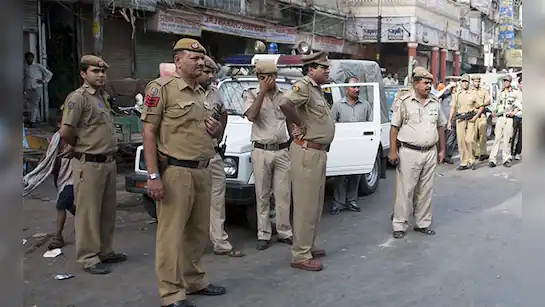

Operation Gang Bust 2026 is a coordinated law enforcement crackdown targeting organised crime networks operating across multiple Indian states. The operation has led to a series of arrests, seizures and intelligence based raids, with direct implications for local policing, public safety and crime prevention efforts.
This explainer breaks down what Operation Gang Bust 2026 involves, which states are affected, how the crime networks functioned and what the crackdown means for citizens, businesses and local administration in the coming months.
What Is Operation Gang Bust 2026 and Why It Matters
Operation Gang Bust 2026 is a multi state policing initiative aimed at dismantling organised criminal groups involved in violent crime, extortion, illegal arms circulation and interstate syndicates. The operation was launched following months of surveillance, data analysis and intelligence sharing between central and state agencies.
Unlike routine arrests, this operation focuses on networks rather than individuals. The goal is to disrupt the command structure, funding channels and recruitment pipelines that allow gangs to operate across state borders. This approach marks a shift from reactive policing to preventive and intelligence driven enforcement.
For local communities, the operation is significant because these gangs often operate silently, affecting everyday safety through fear, coercion and underground economies.
States Covered and Nature of Arrests
The crackdown spans five states, primarily covering regions with known interstate crime corridors. Arrests have been made in urban centres, semi urban districts and border areas that are frequently used for movement and concealment.
Those arrested include alleged gang leaders, logistics handlers, weapons suppliers and field level operatives. In several cases, suspects were wanted in multiple states with long pending warrants. Law enforcement officials have confirmed that coordinated arrests were timed to prevent suspects from fleeing once the operation became public.
Local police units were supported by special task forces, cyber cells and intelligence teams to ensure evidence collection and legal procedures were followed carefully.
How the Crime Networks Operated
The gangs targeted under Operation Gang Bust 2026 operated through decentralised cells. Leaders rarely engaged directly in crimes. Instead, instructions were passed through trusted intermediaries, encrypted communication channels and cash based transactions.
Revenue sources included extortion from local businesses, contract enforcement through intimidation, illegal land dealings and arms trafficking. Younger recruits were often drawn in from vulnerable backgrounds, offered protection or fast money.
Understanding this structure is key to why authorities focused on dismantling entire networks rather than isolated arrests. Removing one individual without disrupting the system often allows the network to regenerate.
Seizures, Evidence and Legal Process
During the operation, authorities seized illegal firearms, ammunition, vehicles, digital devices and financial records. These seizures are critical to building strong cases that stand up in court.
Digital evidence has played a major role. Investigators are analysing call records, messaging apps and financial trails to establish links between accused individuals across states. This process continues even after arrests, suggesting further legal action may follow.
Officials have stated that all arrests are being processed under applicable criminal laws, with an emphasis on filing charge sheets within mandated timelines to avoid procedural lapses.
What Operation Gang Bust 2026 Means for Local Areas
At the local level, the impact of the crackdown is expected to be visible in reduced intimidation, fewer violent incidents and improved confidence among residents and traders. Areas previously affected by extortion and gang dominance may see a temporary vacuum, which authorities aim to manage through increased patrols.
Local police stations have been instructed to remain vigilant against attempts by rival groups to fill the gap. Community policing efforts and intelligence gathering at the neighbourhood level are being strengthened to prevent resurgence.
For small businesses and transport operators, the operation could bring relief from informal payments and threats that often go unreported.
Role of Technology and Inter State Coordination
A key feature of Operation Gang Bust 2026 is the use of technology driven policing. Data analytics, facial recognition inputs, vehicle tracking and financial intelligence were used to map gang movements and associations.
Equally important was inter state coordination. Shared databases, joint teams and real time communication allowed agencies to act simultaneously across borders. This prevented suspects from exploiting jurisdictional delays.
Such coordination sets a precedent for future operations targeting organised crime that operates beyond district or state boundaries.
What Happens Next After the Crackdown
Authorities have indicated that Operation Gang Bust 2026 is not a one time action. Follow up operations, additional arrests and property attachment proceedings may continue as investigations progress.
Witness protection and monitoring of sensitive areas will be crucial in sustaining the gains of the operation. Law enforcement agencies are also reviewing local intelligence failures that allowed these networks to grow.
For citizens, cooperation with police and timely reporting of suspicious activity will play a role in ensuring long term impact.
Public Response and Political Implications
Public reaction to the operation has largely been positive, with many residents expressing relief over visible action against organised crime. However, civil liberties groups have emphasised the need for due process and transparency.
Politically, such operations often draw attention to law and order performance. State governments may face increased scrutiny on how effectively they follow through after high profile crackdowns.
The real measure of success will be sustained reduction in crime rather than headline numbers.
Takeaways
- Operation Gang Bust 2026 targets organised crime networks across five states
- Arrests focus on dismantling entire gang structures, not just individuals
- Local communities may see improved safety and reduced intimidation
- Long term success depends on follow up enforcement and community cooperation
FAQs
How many states are involved in Operation Gang Bust 2026?
The operation spans five states identified as key areas for interstate gang activity.
Are more arrests expected after this phase?
Yes. Investigations are ongoing, and further arrests or legal action may follow based on evidence.
Will this reduce local crime immediately?
Short term impact is likely, but sustained policing is needed to prevent new groups from emerging.
How can citizens support crime prevention efforts?
By reporting suspicious activity, cooperating with police and avoiding engagement with illegal networks.