
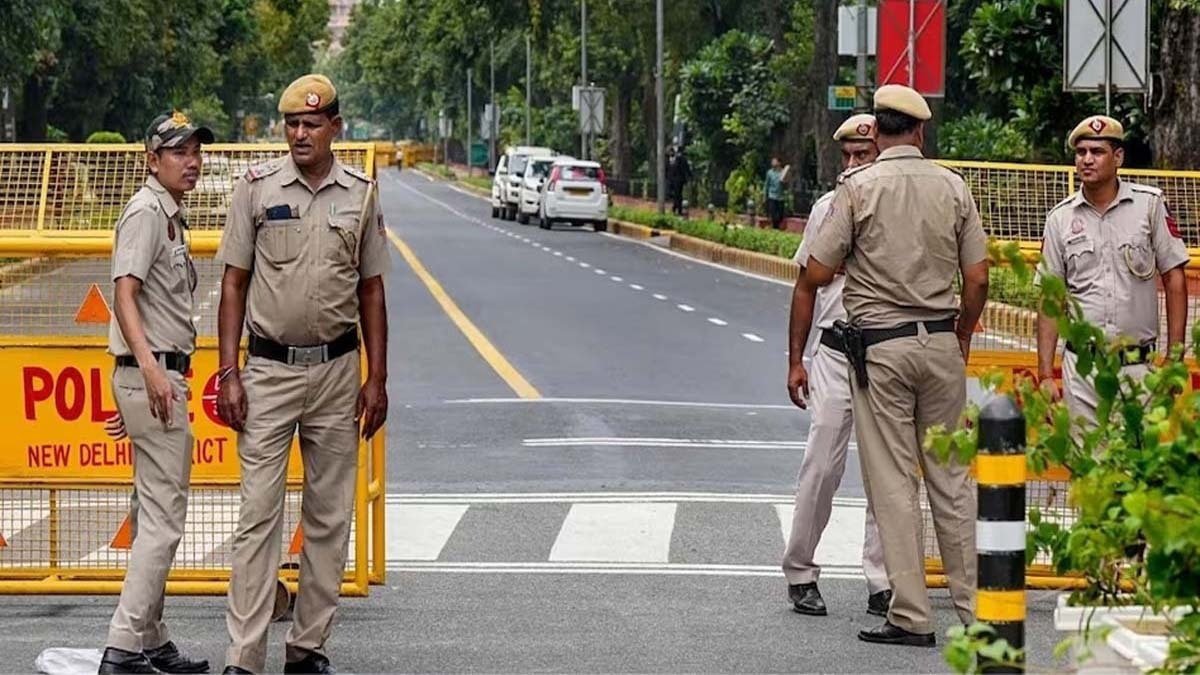

Operation Gang Bust has emerged as a coordinated police crackdown across Haryana, Uttar Pradesh, and Punjab, targeting organized criminal networks and repeat offenders. Recent arrest trends reveal a sharper enforcement approach focused on dismantling gangs, cutting financial links, and restoring public confidence in law and order.
Operation Gang Bust is a time sensitive law enforcement development. The intent is news reporting with analytical context, focusing on arrest patterns, policing strategy, and regional impact rather than opinion.
What Operation Gang Bust Targets and Why It Matters
Operation Gang Bust is designed to break the operational backbone of organized crime operating across state borders. These gangs are typically involved in extortion, contract killings, illegal arms supply, vehicle theft, and land related disputes. The operation focuses not only on shooters and foot soldiers but also on handlers, financiers, and logistical supporters. Police agencies identified that fragmented action allowed gangs to relocate easily between Haryana, UP, and Punjab. A synchronized crackdown aims to close these escape routes. The scale of arrests indicates a shift from reactive policing to intelligence led enforcement.
Arrest Trends Show Focus on Repeat and High Risk Offenders
Recent arrest data shows a clear emphasis on repeat offenders with long criminal histories. Many detained individuals have multiple cases registered across districts and states. Police have increasingly invoked preventive detention laws to restrict movement of high risk gang members. In several cases, arms recovery and seizure of illegal assets accompanied arrests, suggesting a parallel focus on weakening gang resources. Younger recruits are also being detained early, reflecting an effort to disrupt recruitment pipelines before criminal networks expand further.
Inter State Coordination Changes Enforcement Dynamics
One defining feature of Operation Gang Bust is the level of coordination between state police forces. Shared intelligence databases, joint surveillance, and synchronized raids have reduced information gaps. Border districts, which were previously exploited by gangs to evade arrest, are now under closer monitoring. This coordination has improved response times and reduced duplication of effort. It also limits the ability of gangs to exploit jurisdictional delays, a tactic commonly used in the past to stall investigations.
Impact on Crime Patterns in Urban and Semi Urban Areas
Initial enforcement outcomes suggest a short term dip in visible gang related violence in several affected districts. Extortion calls and targeted intimidation cases have reportedly declined as key operatives are taken off the streets. However, police acknowledge that such operations often trigger temporary low activity rather than permanent deterrence. Sustained pressure is required to prevent regrouping. In Tier 2 cities, the crackdown has improved public perception of safety, especially among traders and transport operators who are frequent extortion targets.
Legal and Judicial Follow Through Remains Critical
Arrests alone do not dismantle criminal ecosystems unless supported by strong legal follow through. Prosecutors face the challenge of building airtight cases that withstand prolonged trials. Police have emphasized documentation, forensic support, and financial trail mapping to strengthen charges. Attachment of illegally acquired property has emerged as a key tool to hit gangs economically. Without consistent conviction rates, enforcement gains risk dilution. The success of Operation Gang Bust will ultimately be judged by outcomes in courts, not just arrest numbers.
Youth Involvement and Recruitment Concerns
A worrying pattern observed during the crackdown is the involvement of young individuals drawn into gangs through local disputes, financial stress, or social media influence. Police have flagged the need for parallel intervention through counseling, skill development, and community engagement. In some districts, authorities are coordinating with local administrations to identify at risk youth. Preventing first time entry into gang networks is seen as equally important as arresting hardened criminals.
Political and Administrative Messaging Around Law and Order
The operation also carries strong messaging value. State administrations are signaling zero tolerance toward organized crime, particularly ahead of sensitive political and social periods. Visible enforcement actions reinforce deterrence but also raise expectations. Citizens now expect sustained action rather than episodic crackdowns. Managing this expectation requires transparency, regular updates, and consistency across districts.
Challenges Ahead for Sustained Enforcement
Despite early momentum, challenges remain. Overcrowded prisons, judicial backlog, and witness intimidation can weaken long term impact. Gangs often adapt by shifting leadership structures or outsourcing activities. Police leadership acknowledges that Operation Gang Bust must evolve continuously through technology use, financial intelligence, and community level inputs. Enforcement fatigue is another risk if resources are stretched too thin across multiple districts.
What This Means for Public Safety Going Forward
For residents of Haryana, UP, and Punjab, the crackdown offers short term relief and a sense of restored control. Businesses, transporters, and local communities benefit most when gang influence recedes. However, public safety gains depend on sustained vigilance. Operation Gang Bust marks a strategic shift, but its durability will depend on how consistently enforcement pressure is maintained after the initial phase.
Takeaways
- Operation Gang Bust targets organized crime networks across three states
- Arrest trends show focus on repeat offenders and gang leadership
- Inter state coordination has reduced escape routes for criminals
- Long term success depends on convictions and sustained enforcement
FAQs
What crimes are targeted under Operation Gang Bust?
The operation targets organized crimes such as extortion, illegal arms trade, contract killings, and gang related violence.
Why is inter state coordination important in this crackdown?
Gangs often operate across state borders, and coordination prevents them from exploiting jurisdictional gaps.
Will arrests alone reduce gang crime permanently?
Arrests help temporarily, but lasting impact requires strong prosecutions and disruption of financial networks.
Are young offenders also being targeted?
Yes, police are detaining young recruits while also exploring preventive and rehabilitation measures.