
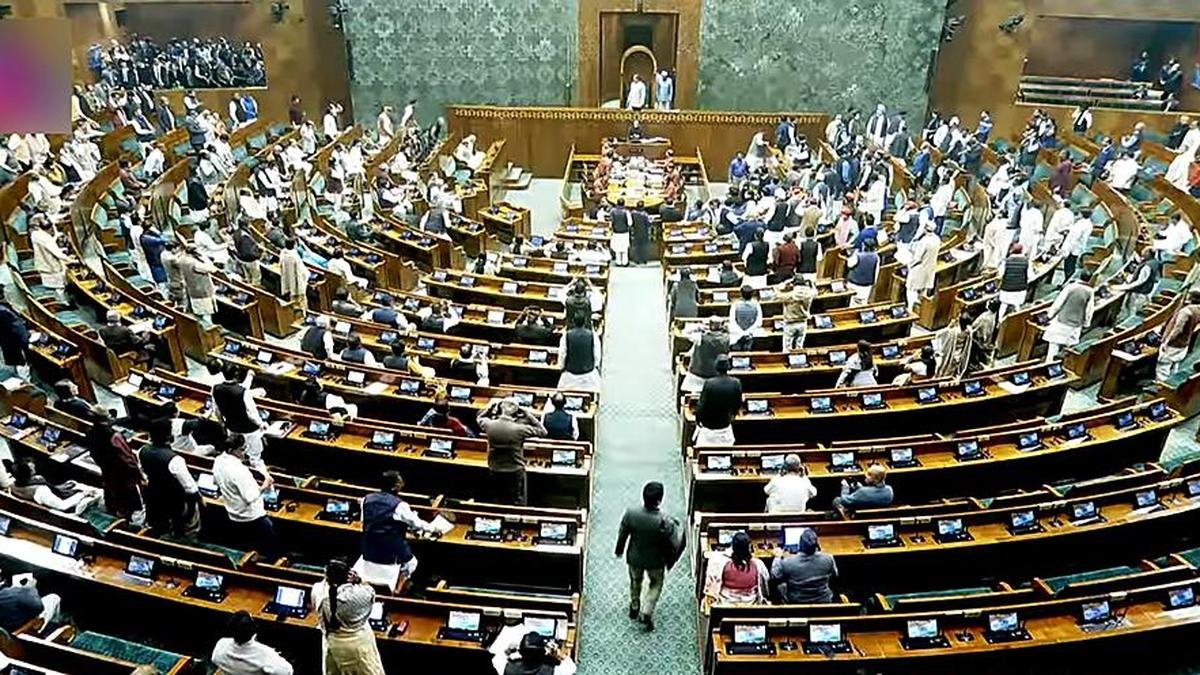

Parliament Winter Session 2025 is the main keyword and it carries key decisions that affect farmers, daily labourers and small town voters who depend on policy stability for income, welfare support and access to essential services. The session focuses on laws related to labour reforms, agriculture support, social security and rural development. Understanding these developments helps citizens anticipate changes that may shape their daily lives.
The session holds significance because several implementations from earlier reforms are expected to progress, including social security upgrades, minimum wage clarity and rural employment provisions. Small businesses and informal workers across Tier 2 and Tier 3 towns are closely watching the outcomes due to their dependence on government programs and subsidies. Farmers also look for clarity on procurement, insurance updates and disaster relief mechanisms.
Key labour related discussions affecting daily wage earners
Lawmakers are expected to review the pace of labour code implementation, especially aspects involving wage settlement, safety standards and social security access. Daily wage earners in construction, manufacturing and services face inconsistent payment cycles and limited workplace protections. Uniform implementation of wage rules can bring more predictable income, which is critical for families living on weekly earnings.
The session may also address concerns raised by worker groups regarding delayed settlement processes and gaps in state level systems. Strengthening dispute resolution and increasing digital access to labour records can help workers confirm whether employers are meeting compliance standards. Daily labourers in small towns depend heavily on these protections because many work in temporary or short cycle jobs where transparency is limited.
Rural employment and welfare schemes under review
Farmers and labourers rely heavily on rural employment schemes during low harvest seasons. The session may bring updates related to fund allocation, payment timelines and project approvals for rural development works. Faster payments can help rural households manage rising costs of essentials caused by inflation and currency fluctuations.
Welfare programs linked to housing, sanitation and health insurance may also be reviewed for better delivery. In smaller towns, access to these schemes often depends on local administrative efficiency. The session’s discussions could push for streamlined digital platforms that allow families to verify eligibility and track benefits.
Agriculture reforms and support for small farmers
Farmers expect clarity on procurement prices, crop insurance adjustments and disaster compensation. Unpredictable weather patterns in recent seasons have increased crop losses. Many small farmers in Tier 2 and Tier 3 districts rely on timely insurance payouts, but delays remain a point of concern. Legislators may evaluate proposals to improve claim settlement timelines and simplify documentation.
Input costs for seeds, fertilizers and machinery have increased due to global price movements and currency pressure. The Winter Session could address support mechanisms that help farmers manage these rising costs, including subsidies and credit schemes. Storage and logistics improvements are also expected to receive attention because small farmers often struggle to transport produce to larger markets.
Small business expectations from the session
Small town businesses are watching closely for discussions on GST simplification and compliance relaxation. Many local traders and service providers face administrative challenges when filing returns or reconciling invoices. Streamlined processes can reduce costs for small units that operate with limited support staff.
Credit availability remains another focus area. Small businesses rely on affordable loans for expansion and working capital. Policy changes encouraging easier access to credit can help boost local entrepreneurship. Measures supporting digital payments and reducing transaction charges may also receive attention as more small town businesses adopt online tools.
Social security and public services for small town residents
Public health, education and social protection programs form a large part of what small town voters expect from the Winter Session. Strengthening primary healthcare infrastructure, improving school facilities and expanding digital connectivity remain ongoing priorities. The session may review proposals aimed at expanding health insurance coverage for informal workers and improving telemedicine availability.
Urban local bodies in Tier 2 cities often struggle with budget constraints. Funding support for waste management, water supply and transport infrastructure is important for improving living standards. Legislators may push for higher allocations to support these growing towns that bridge rural and metro economies.
Why small town voters should track the session closely
Many decisions taken during the Winter Session directly influence daily expenses, income stability and access to government services. Farmers look for predictable procurement and insurance support. Labourers expect better wage protection and dispute resolution. Small business owners monitor tax and credit related announcements that affect their operations.
The session’s outcomes can shape the economic direction for the next year. A clear focus on rural and small town needs can drive more balanced growth across regions. Citizens who track policy updates can plan finances better, understand eligibility for new benefits and avoid misinformation.
Takeaways
Labour code discussions can impact wage security for daily workers
Rural welfare schemes may receive upgrades in payment efficiency
Farmers expect clarity on procurement, insurance and input cost support
Small businesses look for GST simplification and easier credit access
FAQ
Why is the Winter Session important for farmers
Key decisions on procurement, insurance and rural support programs are often reviewed during this session, affecting farm income and risk management.
How do labour discussions impact daily wage earners
Uniform implementation of wage rules and stronger dispute mechanisms ensure predictable payments and reduce workplace disputes.
Do small businesses benefit from Winter Session decisions
Yes, discussions on GST simplification, credit access and digital adoption can reduce operating costs and improve business stability.
What should small town voters track this year
Updates on welfare schemes, labour protections, agriculture support and local infrastructure funding are most relevant for daily life and economic security.