
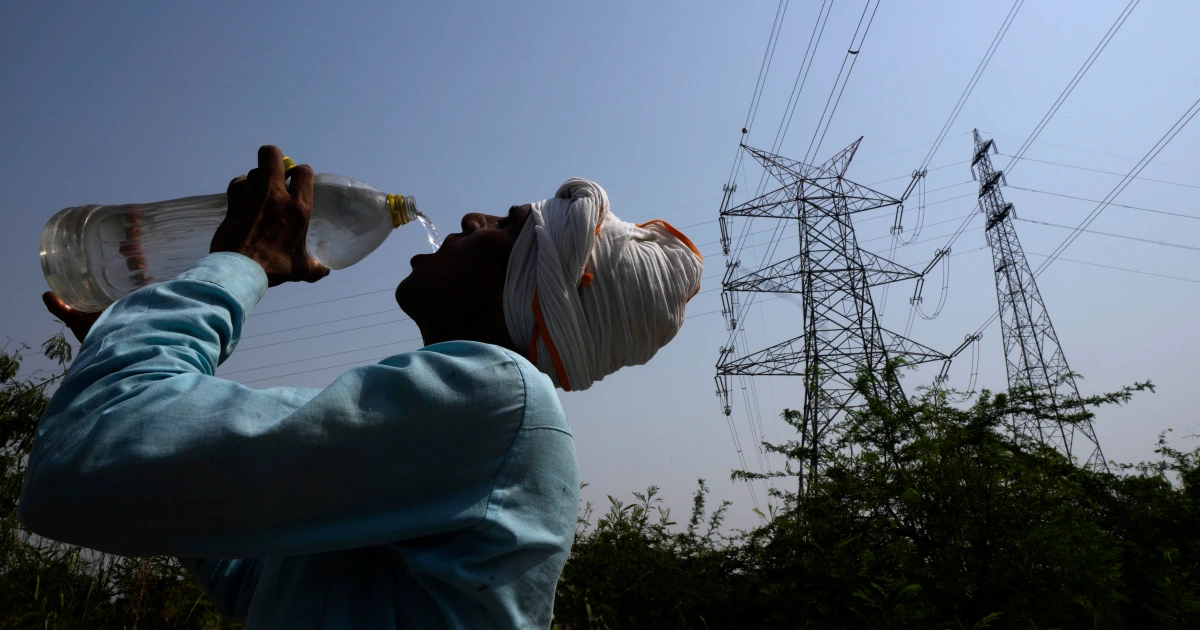

Central India is facing rising temperatures along with frequent power cuts, affecting daily life in cities like Nagpur and Raipur. Authorities have issued heatwave alerts while residents struggle with electricity disruptions during peak demand periods.
Power cuts and heatwave alerts across Central India have become a pressing concern as temperatures continue to rise sharply in late March 2026. Cities such as Nagpur, Raipur, and surrounding regions are witnessing increased electricity demand, putting pressure on local power infrastructure and exposing gaps in supply management.
Heatwave Conditions Intensify Across Central India
The India Meteorological Department has flagged heatwave conditions in parts of Maharashtra, Chhattisgarh, and Madhya Pradesh. Day temperatures in cities like Nagpur and Raipur have crossed 40 degrees Celsius, with forecasts indicating further rise in the coming days.
Heatwaves in Central India typically peak between March and May, but early onset this year has raised concerns. Dry winds and clear skies are contributing to rapid temperature increases, especially in inland regions.
High temperatures not only impact health but also increase dependence on cooling appliances such as air conditioners, coolers, and fans. This surge in usage directly contributes to higher electricity demand during daytime and evening hours.
Rising Power Demand Leading to Electricity Disruptions
As temperatures climb, electricity consumption spikes significantly. Power distribution companies in Central India are reporting peak load pressure, especially during afternoon and evening hours.
In cities like Nagpur, residents have reported unscheduled power cuts lasting from a few minutes to over an hour. Similar situations are emerging in Raipur, where local outages are affecting residential and commercial areas.
These disruptions are often caused by overload on transformers, maintenance issues, or supply-demand mismatches. While utilities attempt load management through scheduled cuts, sudden outages continue to be a concern in several localities.
Impact on Daily Life and Local Businesses
Frequent power cuts during heatwave conditions are affecting both households and businesses. For residents, lack of electricity during peak heat hours leads to discomfort and potential health risks, especially for elderly individuals and children.
Small businesses, including दुकानदार, food outlets, and service providers, face operational challenges due to interruptions in power supply. Refrigeration issues, payment disruptions, and reduced customer footfall are common consequences.
In Tier-2 cities where backup infrastructure like generators or inverters is not always available, the impact is more severe compared to metro cities. This highlights the need for stronger local infrastructure planning.
Government Measures and Advisory for Residents
State authorities and local power distribution companies have issued advisories urging consumers to use electricity judiciously. Efforts are being made to ensure uninterrupted supply during critical hours, but infrastructure limitations remain a challenge.
Maintenance work on transformers and distribution lines is being accelerated to reduce breakdowns. In some areas, load balancing measures are being implemented to distribute power more evenly.
Health departments have also issued heatwave advisories, recommending residents stay hydrated, avoid direct sunlight during peak hours, and use cooling measures effectively.
Emergency helplines and complaint portals are being promoted to address power-related grievances quickly.
What Residents Can Do to Manage During Power Cuts
Residents can take practical steps to cope with power cuts during heatwaves. Using energy-efficient appliances and limiting usage during peak hours can reduce load pressure.
Installing basic backup solutions like inverters can provide short-term relief during outages. Keeping essential devices charged and storing drinking water in advance helps manage sudden disruptions.
Simple measures such as using curtains to block heat, increasing ventilation, and avoiding heat-generating appliances during peak hours can improve indoor comfort.
Community-level awareness and coordination also play a role in managing shared infrastructure effectively.
Outlook for Coming Weeks
Weather forecasts suggest that heatwave conditions in Central India may persist into April, with occasional fluctuations. Power demand is expected to remain high, especially in urban and semi-urban areas.
Authorities are likely to continue monitoring load patterns and implementing corrective measures. However, long-term solutions will require infrastructure upgrades and better demand forecasting.
For now, residents in cities like Nagpur and Raipur will need to adapt to a combination of rising temperatures and intermittent power supply challenges.
Takeaways
- Central India is experiencing early and intense heatwave conditions
- Power cuts are increasing due to rising electricity demand
- Tier-2 cities like Nagpur and Raipur are facing infrastructure strain
- Residents are advised to conserve power and take heat safety measures
FAQs
Q1. Why are power cuts increasing during heatwaves?
Higher temperatures lead to increased use of cooling devices, which raises electricity demand and strains the power supply system.
Q2. Which cities are most affected in Central India?
Cities like Nagpur, Raipur, and parts of Madhya Pradesh are currently experiencing both heatwave conditions and power disruptions.
Q3. How can residents stay safe during heatwaves?
Stay hydrated, avoid outdoor exposure during peak hours, and use cooling methods effectively.
Q4. Are these power cuts scheduled or sudden?
Both scheduled and unscheduled outages are occurring, depending on local load conditions and infrastructure issues.