
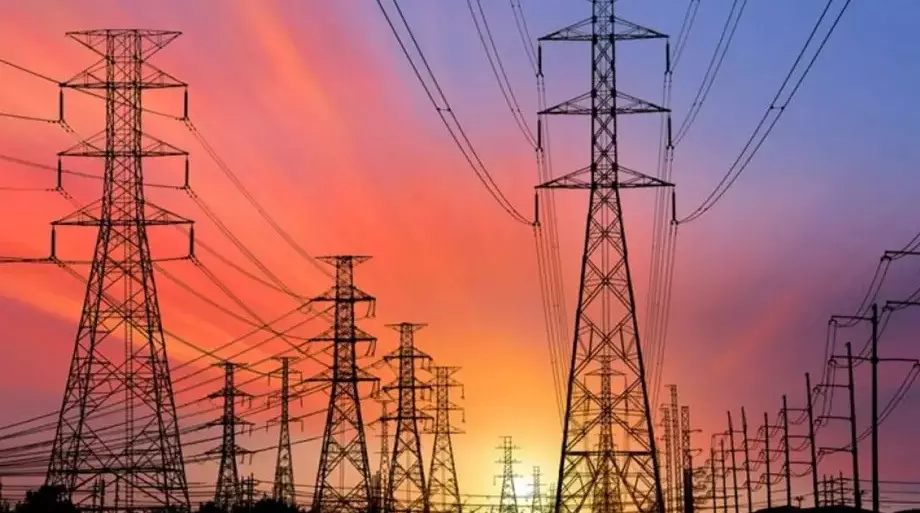

Power cuts in Tier-2 cities are increasing as temperatures begin to rise across India, putting pressure on local electricity infrastructure. Residents in smaller cities are already facing outages, especially during peak hours, raising concerns about reliability during the upcoming summer months.
This trend reflects seasonal demand spikes, infrastructure limitations, and regional supply challenges that typically intensify between March and June.
Rising Power Demand Driving Early Outages
The increase in power cuts in Tier-2 cities is closely linked to a surge in electricity demand as temperatures climb. Fans, air coolers, and air conditioners begin operating for longer hours, leading to sudden load spikes.
In many smaller cities, distribution infrastructure has limited capacity compared to metros. Transformers and local grids often struggle to handle peak loads, resulting in scheduled or unscheduled outages.
States like Maharashtra, Uttar Pradesh, and Rajasthan have reported early signs of increased demand this year. The situation is expected to intensify as temperatures move closer to peak summer levels in April and May.
Infrastructure Gaps in Smaller Urban Areas
One of the key reasons behind frequent power cuts is the gap in infrastructure development between metro and Tier-2 regions. While urban centers have seen upgrades in grid systems and smart monitoring, smaller cities still rely on older distribution networks.
Maintenance issues such as overloaded transformers, outdated wiring, and delayed upgrades contribute to frequent breakdowns. In some areas, power distribution companies resort to load shedding to manage supply constraints.
The Ministry of Power has been pushing for reforms and investments, but implementation varies across states.
Impact on Households and Local Businesses
Frequent outages directly affect daily life in Tier-2 cities. Households face discomfort during peak heat hours, especially in areas with limited backup options.
Small businesses such as retail shops, workshops, and service providers experience disruptions that impact productivity and revenue. For example, food businesses and small manufacturing units depend heavily on continuous power supply.
Students preparing for exams and individuals working from home also face challenges due to inconsistent electricity availability.
Role of Coal Supply and Energy Mix
India’s power generation is still heavily dependent on coal. During peak demand periods, any disruption in coal supply or logistics can affect power availability.
Although the country has improved its coal stock management in recent years, regional imbalances can still lead to shortages. Renewable energy sources like solar are helping bridge the gap, but their contribution varies by state and time of day.
The Central Electricity Authority monitors supply-demand balance and issues advisories to states, but local execution remains a challenge.
What Residents Can Do to Manage Power Cuts
Residents in Tier-2 cities can take practical steps to reduce the impact of power cuts during summer.
Using energy-efficient appliances can help reduce load on the grid and lower electricity bills. Limiting usage during peak hours can also contribute to better load management.
Investing in basic backup solutions such as inverters or battery systems is becoming increasingly common. Even small capacity systems can support essential appliances during outages.
Staying updated with local electricity schedules or announcements helps in planning daily activities more efficiently.
Government Measures and Future Outlook
State governments and power distribution companies are taking steps to manage the situation. These include preventive maintenance, transformer upgrades, and load management strategies.
In some regions, smart metering and grid modernization projects are being rolled out to improve efficiency and reduce outages.
Long-term solutions involve increasing generation capacity, strengthening transmission networks, and integrating renewable energy sources more effectively.
While short-term disruptions are expected during peak summer, gradual improvements in infrastructure may reduce the severity over time.
Early Warning Signs Residents Should Watch
Residents should pay attention to early indicators such as voltage fluctuations, frequent short outages, and official load shedding announcements.
These signs often indicate stress on the local grid and can help individuals prepare in advance.
Community-level coordination, such as sharing updates within residential areas, can also improve preparedness and reduce inconvenience.
Takeaways
• Power cuts are increasing in Tier-2 cities due to rising summer demand
• Infrastructure limitations and load spikes are key contributing factors
• Households and small businesses are the most affected
• Backup solutions and energy management can reduce disruption impact
FAQs
Q1. Why do power cuts increase during summer
Electricity demand rises sharply due to cooling appliances, putting pressure on the grid.
Q2. Are Tier-2 cities more affected than metros
Yes, due to relatively weaker infrastructure and slower upgrades.
Q3. What is load shedding
It is a controlled power cut used to balance electricity supply and demand.
Q4. How can I prepare for frequent power cuts
Use energy-efficient devices, track schedules, and consider backup power options.