
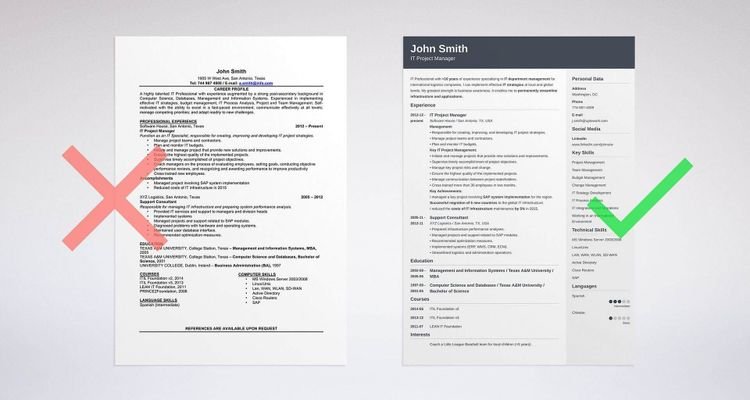

In India’s competitive job market, a strong resume can make or break your chances. Recruiters often skim through dozens of applications, so clarity, structure, and relevance are key. Whether you’re applying in Tier 1 metros or Tier 2 cities, presenting your skills and experience in a clean, professional format increases your chances of getting noticed and landing interviews.
A resume should start with a clear header including your name, contact details, and LinkedIn profile. The next section should be a concise professional summary, highlighting your core skills and career goals in two to three lines. This gives recruiters a quick overview of who you are and what you bring to the table.
Follow this with your work experience in reverse chronological order. Include your job title, company name, duration, and key responsibilities or achievements. Use bullet points for clarity, focusing on measurable results where possible. This format helps hiring managers quickly understand your contributions and impact.
Next, highlight your education. Include your degree, institution, year of graduation, and any relevant certifications. For freshers, internships and projects can be listed under this section to demonstrate practical experience. Skills and tools should be listed separately, emphasizing software, languages, or technical expertise relevant to the role.
Additional sections can include awards, volunteer work, or extra-curricular achievements, but keep them brief and relevant. Avoid clutter and long paragraphs; white space improves readability. Stick to standard fonts, a 1–2 page length, and a PDF format for submission.
A well-structured resume combined with clear, impactful content can make a significant difference. Using a clean template ensures consistency and professionalism. For Indian job seekers, this approach not only improves your visibility with recruiters but also increases the chances of landing interviews and advancing your career efficiently.