
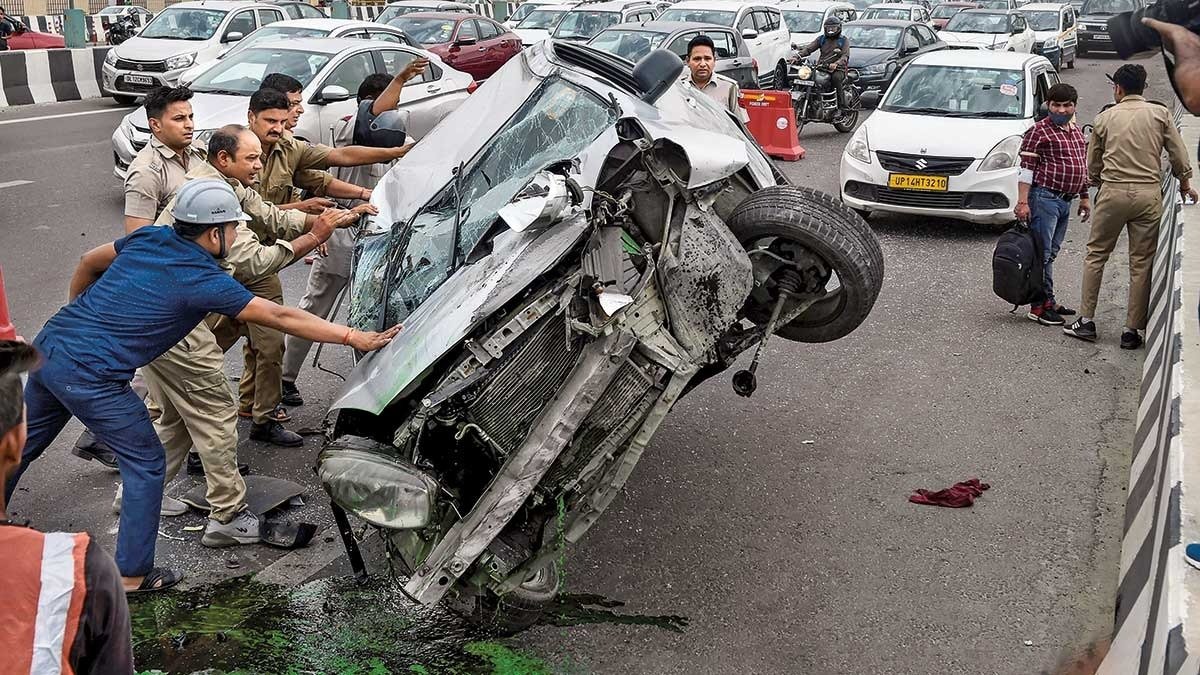

Recent highway accidents across India have raised concerns about road safety enforcement and infrastructure gaps. This report examines the causes behind increasing incidents, highlights systemic issues, and explores what needs to change to reduce fatalities on national and state highways
Rising Highway Accidents in India Highlight Safety Concerns
Rise in accidents across Indian highways has become a serious concern in recent months, with multiple incidents reported from different states. These accidents involve buses, trucks, private vehicles, and two-wheelers, often resulting in high casualties. The pattern suggests that the issue is not isolated but linked to broader systemic gaps in road safety.
India already records one of the highest numbers of road accident fatalities globally. Highways, while designed for faster travel, have also become high-risk zones due to speeding, fatigue driving, and weak enforcement of traffic rules. Recent incidents indicate that despite policy efforts, implementation remains inconsistent across regions.
This situation calls for a closer look at the underlying causes rather than treating each accident as an isolated event.
Speeding and Driver Behavior as Key Risk Factors
Highway accident causes in India often point to speeding and unsafe driving behavior as major contributors. Long stretches of open roads encourage drivers to exceed speed limits, especially during night travel.
Driver fatigue is another critical factor. Commercial vehicle drivers, including truck and bus operators, often work long hours without adequate rest. This reduces reaction time and increases the likelihood of collisions.
Overtaking without proper visibility, distracted driving, and lack of adherence to lane discipline further worsen the situation. In many cases, accidents occur due to a combination of these factors rather than a single cause.
While awareness campaigns exist, behavioral change remains slow. Enforcement through fines and monitoring systems is not uniform across all highways.
Infrastructure Gaps and Poor Road Design Issues
Road infrastructure problems in India play a significant role in highway accidents. Poorly designed intersections, lack of proper signage, and inadequate lighting are common issues on many stretches.
In several regions, highways pass through densely populated areas without sufficient pedestrian crossings or service lanes. This creates conflict between high-speed vehicles and local traffic.
Maintenance is another concern. Potholes, uneven surfaces, and unmarked construction zones can lead to sudden loss of control. In some cases, crash barriers and safety features are either missing or poorly maintained.
Black spots, which are accident-prone areas, continue to exist despite being identified. Delays in fixing these locations contribute to repeated incidents over time.
Emergency Response and Post-Accident Challenges
Emergency response on Indian highways is improving but still faces limitations. Quick medical assistance can significantly reduce fatalities, yet response times vary depending on location.
In remote stretches, lack of nearby hospitals or trauma centers delays treatment. Even when ambulances are available, traffic congestion or unclear directions can slow down response.
Public awareness about first aid and emergency reporting is also limited. Bystanders often hesitate to assist due to legal concerns or lack of knowledge.
Strengthening emergency systems, including better coordination between police, ambulance services, and hospitals, is essential to improve survival rates after accidents.
Role of Enforcement and Policy Implementation
Traffic rule enforcement in India remains uneven, particularly on highways that pass through multiple jurisdictions. While some states have adopted technology such as speed cameras and e-challan systems, coverage is not consistent nationwide.
Policies like mandatory helmet and seatbelt laws exist, but compliance varies. Heavy vehicle regulation, including load limits and driver working hours, is also not strictly monitored in all areas.
Government initiatives such as the Motor Vehicles Amendment Act have introduced stricter penalties, but enforcement depends heavily on local authorities. Without consistent monitoring, the impact of these policies is limited.
A coordinated national approach with standardized enforcement practices could improve overall road safety outcomes.
What Needs to Change to Improve Highway Safety
Improving road safety in India requires a multi-layered approach. Infrastructure upgrades, stricter enforcement, and public awareness must work together.
Regular audits of highway conditions can help identify and fix safety issues before they lead to accidents. Technology such as intelligent traffic systems and real-time monitoring can enhance enforcement.
Driver training programs, especially for commercial drivers, need to be strengthened. Ensuring proper rest periods and adherence to safety norms can reduce fatigue-related incidents.
Public awareness campaigns should focus on practical behavior changes rather than general messaging. Clear communication about risks and consequences can encourage safer driving habits.
Ultimately, reducing highway accidents is not just about policy but consistent execution at every level.
Takeaways
• Rising highway accidents in India highlight gaps in safety enforcement and infrastructure
• Speeding, fatigue, and unsafe driving behavior are major contributing factors
• Poor road design and maintenance increase accident risks on highways
• Stronger enforcement and better emergency response systems are needed
FAQs
Q1: Why are highway accidents increasing in India?
Factors include speeding, driver fatigue, poor infrastructure, and inconsistent enforcement of traffic rules.
Q2: What are black spots on highways?
Black spots are locations with a high frequency of accidents due to design or traffic issues.
Q3: How can highway safety be improved?
Improvement requires better road design, stricter enforcement, driver training, and faster emergency response.
Q4: Are traffic laws strict enough in India?
Laws are in place, but enforcement varies across regions, which affects their effectiveness.