
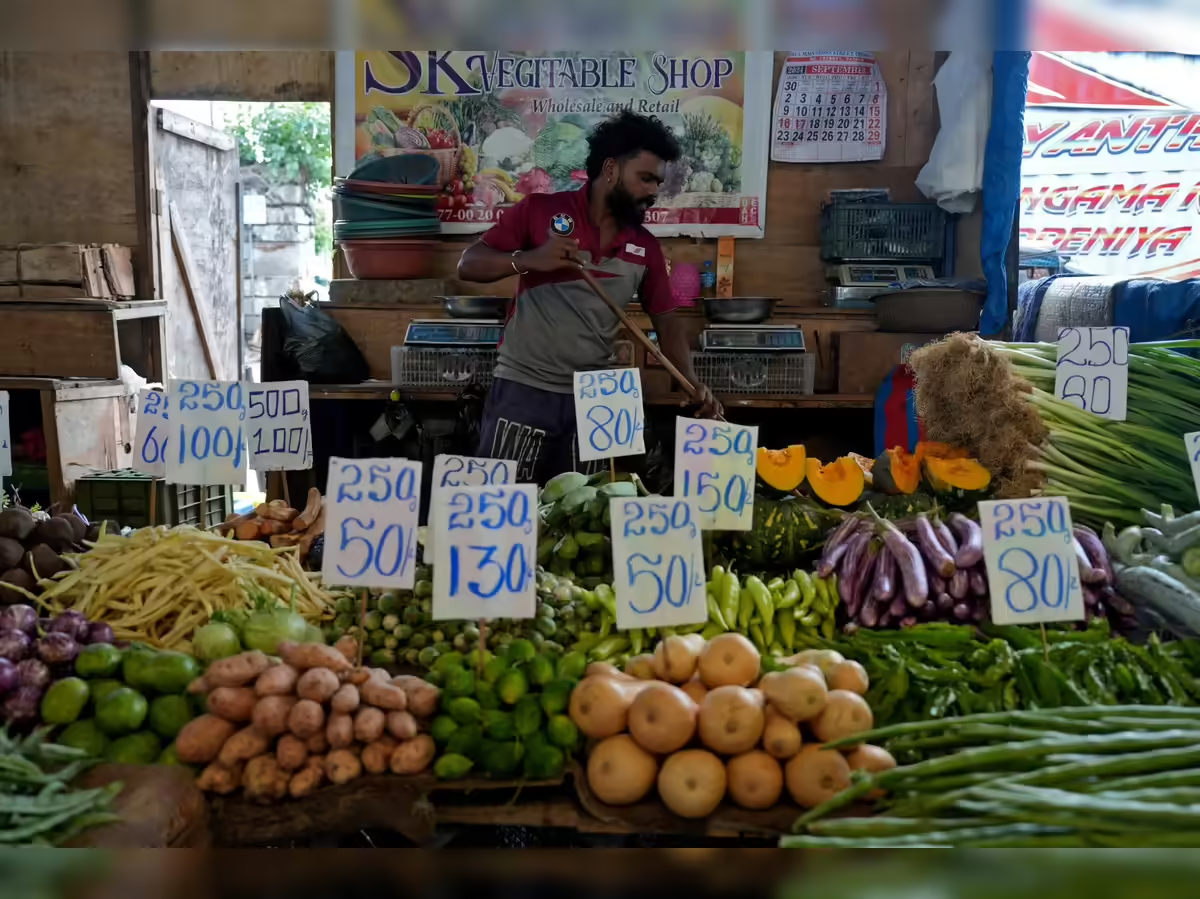

Rising vegetable prices in India are affecting households across the country, but the impact is significantly higher in small cities. Consumers in Tier-2 and Tier-3 regions are facing sharper price increases due to supply chain gaps, limited storage infrastructure, and local market inefficiencies.
This trend has become more visible in recent weeks as seasonal changes and logistics disruptions push retail prices upward.
Why Vegetable Prices Are Rising Across India
The rise in vegetable prices is driven by a combination of seasonal factors and supply constraints. Changes in weather patterns, including unseasonal rainfall and temperature fluctuations, have affected crop yields in key producing regions.
Transportation costs have also increased due to fuel price fluctuations, adding to the final retail price. Wholesale markets in larger cities are better equipped to absorb these changes, but smaller towns often face higher pass-through costs.
Data from the Department of Consumer Affairs shows periodic spikes in essential vegetable prices during seasonal transitions, especially between winter and summer crops.
Why Small Cities Face Higher Price Impact
The impact of rising vegetable prices is more severe in smaller cities due to weaker supply chains. Unlike metros, which have multiple wholesale markets and better logistics networks, Tier-2 cities depend on fewer supply sources.
Limited cold storage facilities lead to higher wastage, which increases prices for consumers. Retailers in small towns often operate on thinner margins and pass on cost increases directly.
In addition, lower competition among suppliers in smaller markets reduces price stability. This makes small city consumers more vulnerable to sudden price hikes.
Key Vegetables Showing Price Surge
Common household vegetables such as onions, tomatoes, and green vegetables have seen noticeable price increases. These items are staples in daily cooking, which amplifies the financial impact on households.
Tomato prices, for example, tend to fluctuate sharply due to their sensitivity to weather conditions. Onion prices also rise periodically due to storage and supply constraints.
Leafy vegetables often become costlier during summer due to reduced shelf life and higher transportation challenges.
These fluctuations affect both urban and rural consumers, but the burden is higher in areas with limited alternatives.
Impact on Household Budgets and Consumption Patterns
Rising vegetable prices directly affect monthly household budgets, especially for middle- and lower-income families in small cities.
Many households adjust by reducing consumption of certain vegetables or switching to cheaper alternatives. This can impact nutritional balance over time.
Street food vendors, small eateries, and local food businesses also face increased input costs. In some cases, they either raise prices or reduce portion sizes to manage expenses.
The ripple effect extends across the local economy, affecting both consumers and small businesses.
Role of Supply Chain and Local Markets
Efficient supply chains play a critical role in stabilizing prices. Metro cities benefit from better connectivity, multiple sourcing options, and organized retail systems.
In contrast, small cities rely heavily on local mandis and limited distribution networks. Any disruption in supply quickly reflects in retail prices.
Improving logistics, expanding cold storage capacity, and enhancing market access for farmers can help reduce price volatility.
Efforts are being made to modernize agricultural supply chains, but implementation varies across regions.
Government Measures and Market Interventions
The government monitors price trends and occasionally intervenes through measures such as buffer stock release and export restrictions.
Agencies under the Ministry of Consumer Affairs work to stabilize prices of essential commodities.
State governments may also take local actions such as setting up fair price outlets or monitoring hoarding activities.
However, these measures often provide temporary relief and may not fully address structural issues in supply chains.
What Consumers in Small Cities Can Do
Consumers can take practical steps to manage the impact of rising vegetable prices. Buying seasonal produce is usually more affordable and fresher.
Purchasing from local farmers or weekly markets can sometimes offer better prices compared to regular retail shops.
Reducing food waste and planning meals in advance can also help control expenses.
Community buying or bulk purchasing within residential areas is another strategy that can reduce costs.
Takeaways
• Vegetable prices are rising due to seasonal and supply factors
• Small cities face higher impact due to weaker supply chains
• Household budgets and local businesses are significantly affected
• Better infrastructure and planning can help reduce price pressure
FAQs
Q1. Why are vegetable prices higher in small cities
Due to limited supply sources, weaker logistics, and higher wastage.
Q2. Which vegetables are most affected by price rise
Onions, tomatoes, and leafy vegetables often see sharp increases.
Q3. Does the government control vegetable prices
It monitors and intervenes when necessary, but prices are largely market-driven.
Q4. How can consumers manage rising vegetable costs
By buying seasonal produce, reducing waste, and exploring local markets.