
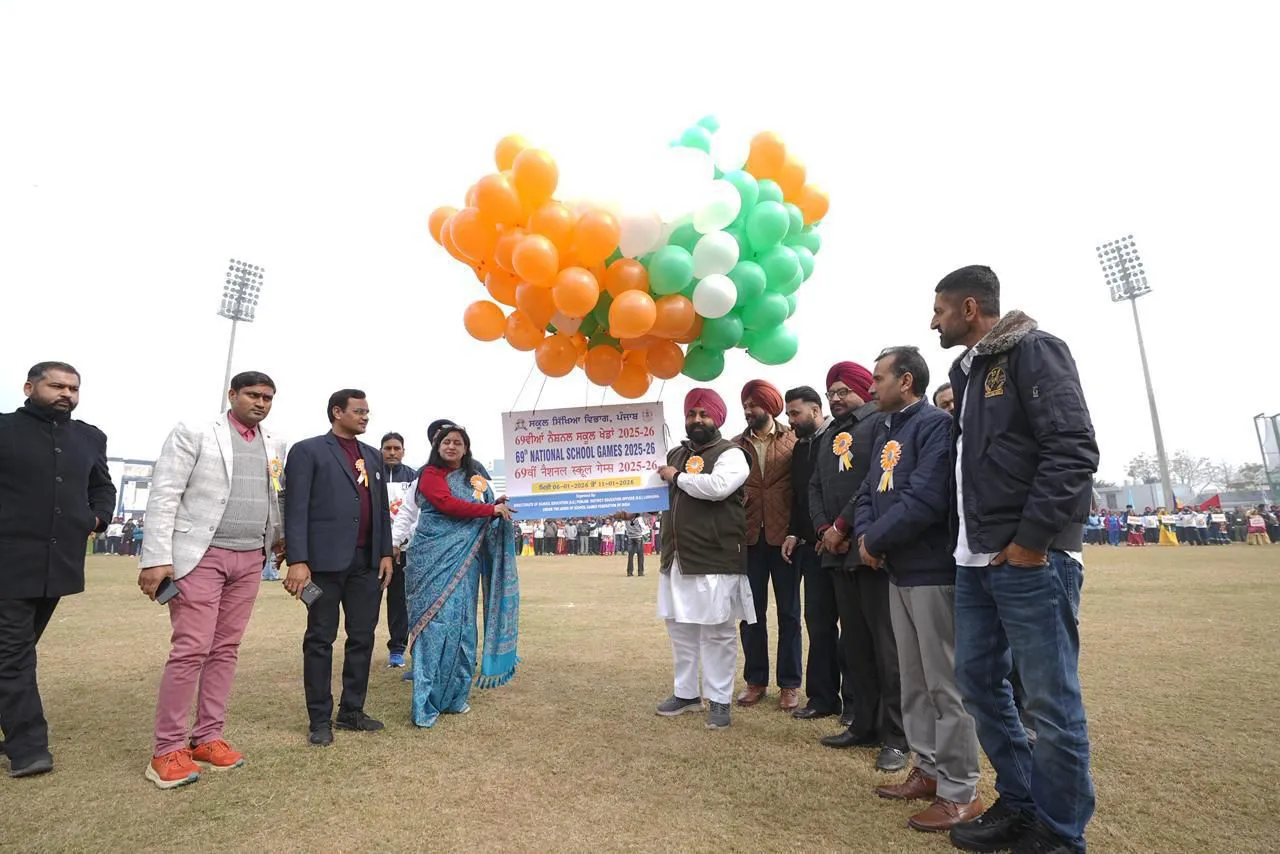

School Games opening in Ludhiana marks a significant moment for youth sports development in Punjab’s smaller cities, where structured competition, grassroots training, and cultural engagement are increasingly shaping student participation beyond academics and urban centers.
The event is time sensitive and linked to the current sports calendar, with Ludhiana hosting school level athletes from across Punjab and neighboring regions. Unlike routine tournaments, the School Games bring state level visibility to student athletes from Tier 2 and Tier 3 cities, offering exposure, competition standards, and pathways that were earlier limited to metropolitan hubs. The opening ceremonies and accompanying cultural programs highlight how sports development is being integrated with local identity and youth engagement.
Why Ludhiana Matters in Punjab’s School Sports Ecosystem
Ludhiana plays a strategic role in Punjab’s sports ecosystem due to its central location, infrastructure, and history of nurturing athletes at the school level. Hosting the School Games here shifts focus away from only capital cities and reinforces the importance of regional sports hubs.
For students from smaller towns, competing in Ludhiana reduces travel barriers and increases participation from districts that often struggle with access. Schools from semi urban areas find it easier to send teams, resulting in broader representation across disciplines such as athletics, kabaddi, hockey, wrestling, and team sports.
This decentralization of sports events ensures that talent identification does not remain confined to elite schools or urban academies.
Impact on Youth Participation in Smaller Cities
School Games directly influence how students in smaller cities perceive sports as a viable pursuit. Regular exposure to organized competition builds confidence and normalizes participation, especially among students who may not have access to private coaching facilities.
In many Tier 2 cities of Punjab, sports infrastructure exists but remains underutilized due to lack of structured tournaments. The School Games provide a clear goalpost for schools and students to prepare for, encouraging year round training instead of sporadic participation.
Parents and educators also play a key role. When students see peers representing their district at a recognized event, family support for sports increases, reducing the traditional bias toward academics alone.
Sports Development and Skill Pathways for Students
Beyond competition, the School Games serve as an entry point into formal sports development pathways. Performances here often determine selection for district and state level camps, where athletes receive advanced coaching and conditioning.
For disciplines like athletics and hockey, early exposure to standardized rules and officiating improves technical understanding. Students from smaller cities benefit from learning match discipline, fitness benchmarks, and teamwork under pressure.
This structured exposure helps bridge the gap between school sports and higher level competition, making progression more realistic for talented students who might otherwise drop out due to lack of opportunity.
Role of Schools and Local Coaches
Schools in Punjab’s smaller cities have begun investing more actively in sports programs due to events like the School Games. Physical education teachers and local coaches align training schedules with tournament calendars, creating consistency in preparation.
Local coaches gain exposure to modern training methods and competition standards when accompanying teams to larger venues. This knowledge flows back to hometown academies and school grounds, gradually raising the quality of coaching at the grassroots level.
Schools also benefit institutionally. Strong performances enhance reputation, attract admissions, and justify spending on sports equipment and facilities.
Cultural Programs and Community Engagement
One distinguishing feature of the School Games opening in Ludhiana is the inclusion of local cultural programs. Folk music, traditional dance, and regional art forms are showcased alongside sporting events, reinforcing cultural pride among young participants.
This integration helps students view sports not as a standalone activity but as part of a broader identity that values discipline, heritage, and teamwork. Cultural programs also increase community engagement, drawing families and local residents to attend events.
For students from smaller cities, performing or witnessing regional culture on a prominent stage builds confidence and reinforces belonging, which is crucial for sustained youth engagement.
Economic and Social Ripple Effects
Hosting large school level events creates temporary economic activity in host cities like Ludhiana. Local transport, food services, and accommodation providers see increased demand, while small vendors benefit from footfall around venues.
More importantly, the social impact extends beyond the event. Increased visibility of school sports encourages local administrations to invest in grounds, lighting, and safety measures. Over time, this improves access for daily training and recreational use.
Sports also function as a social equalizer. Students from diverse economic backgrounds compete on the same platform, fostering inclusion and mutual respect.
Long Term Benefits for Punjab’s Sports Pipeline
Sustained hosting of school level competitions in Tier 2 cities strengthens Punjab’s long term sports pipeline. Early identification of talent allows for better grooming before athletes reach higher competition levels.
Smaller cities become feeders rather than spectators in the state’s sports system. This diversification reduces burnout among elite centers and distributes opportunity more evenly.
For Punjab, known for producing athletes in contact sports and athletics, this approach ensures continuity by nurturing talent early and consistently.
Challenges That Still Need Attention
Despite progress, challenges remain. Many schools still lack qualified coaches, safe playing surfaces, and recovery facilities. Travel costs and academic scheduling conflicts continue to affect participation for some students.
Girls’ participation, though improving, requires targeted encouragement in conservative pockets. Continued policy support and monitoring are needed to ensure that School Games benefits reach all sections.
Addressing these gaps will determine whether momentum from events like the Ludhiana School Games translates into long term impact.
Takeaways
School Games in Ludhiana expand sports access for Punjab’s smaller cities
Structured competition motivates youth participation beyond urban centers
Cultural programs strengthen identity and community engagement
Early exposure builds sustainable sports development pathways
FAQs
Why are School Games important for students from smaller cities?
They provide exposure, competition experience, and access to selection pathways often unavailable locally.
How do cultural programs add value to school sports events?
They promote regional identity, increase community participation, and improve student engagement.
Do School Games help in talent identification?
Yes, performances often lead to district and state level selections and advanced training opportunities.
What challenges still affect school sports in Tier 2 cities?
Limited infrastructure, coaching gaps, and academic pressures remain key challenges.