
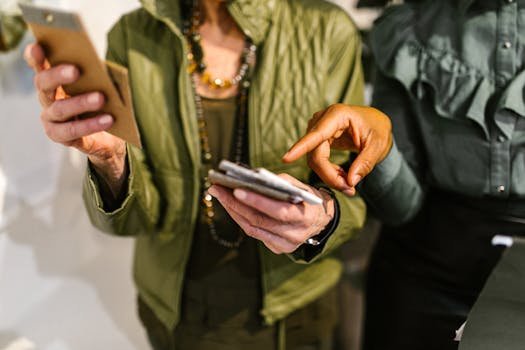

Second hand smartphone market booming in Tier 3 towns reflects rising demand for affordable yet feature capable devices. The main keyword is second hand smartphone market. Students, small business owners, and first time smartphone users in smaller cities are choosing refurbished or pre-owned phones to balance cost and performance.
The boom is supported by easy availability through offline repair shops, local dealer networks, WhatsApp marketplace groups, and emerging organized refurbish platforms. Buyers are more informed now about model features, battery health, and resale value, making the market more structured than before.
Demand Driven By Price Sensitivity And Practical Needs
In Tier 3 towns, price remains the most important buying factor. Many users need smartphones for calls, WhatsApp, UPI payments, and attending online classes. A brand new mid-range phone can feel expensive, especially for families managing monthly budgets. A second hand phone priced between 4,000 and 10,000 rupees allows access to brands and features that would otherwise be unaffordable. Buyers prefer reliable models from brands like Samsung, Xiaomi, Vivo, and Realme because spare parts and repair services are available locally. Apple iPhones are also entering the second hand market in smaller towns but mostly in older models where price falls below mid-range Android pricing.
Shift From Feature Phones To Entry Smartphones
A large part of demand comes from users shifting from feature phones to smartphones for the first time. Digital services like UPI payments, e-governance apps, social media communication, and educational video content are becoming daily needs. Second hand smartphones act as an entry step before users upgrade to newer models later. This gradual upgrade path aligns well with financial comfort levels. Parents often buy second hand phones for school or college children to limit expense risk in case of damage or loss.
Role Of Local Repair Shops And Trusted Dealers
Local mobile repair shops act as key market hubs in Tier 3 towns. They source used phones from metro resellers, bulk distributors, and trade-in dealers. Because repair shops already handle screen replacement, battery servicing, and board repairs, they can refurbish phones at lower cost. Buyers trust local technicians for post-sale support, something online marketplaces cannot provide easily. Trusted dealers often give short warranty on battery and internal board, ranging from 7 days to 3 months. This builds confidence for first time buyers.
Condition Checks Buyers Focus On
Buyers have become more aware and selective. They check battery health, charging port condition, speaker clarity, camera quality, and screen touch sensitivity. They also check IMEI authenticity to avoid stolen devices. Some dealers use simple apps to test hardware functions. Buyers prefer phones with original screens over replaced ones because replaced screens may affect touch performance and resale value. Storage capacity is another factor. A device with at least 64 GB storage is usually preferred for social media and video app usage.
Influence Of Online Communities And Local WhatsApp Groups
Local Facebook marketplace sections, Telegram groups, and WhatsApp buy-sell groups play a major role in connecting sellers and buyers. Photos and short videos of phones are shared along with price details. Buyers negotiate directly and sometimes meet in public spaces to check devices. Micro communities help circulate information about good dealers, which stabilizes trust within the market. Some students and small shopkeepers also run small-scale phone reselling from home using these groups.
Organized Refurbished Platforms Entering Market
Platforms offering certified refurbished phones are entering Tier 3 regions through courier delivery and local collection points. These platforms provide device grading systems such as like new, good, and acceptable. They also offer replacement guarantees and return options. While their pricing is slightly higher than local dealers, the assurance of quality attracts customers willing to pay a bit more. Awareness of these platforms is increasing through influencer videos and regional YouTube reviews.
Resale Value And Future Upgrade Plans
Buyers in Tier 3 markets consider future resale value at the time of purchasing second hand phones. Models known for durability and stable performance retain better value. Many users sell or exchange phones within one to two years and upgrade gradually. This cycle keeps demand steady. Phones from popular mid-range lineups often resell faster than niche models because parts and service support are simpler.
Takeaways
• Second hand smartphones are popular due to affordability and practical usage needs.
• Local repair shops and dealer networks are central to market trust and availability.
• Buyers check battery health, screen condition, and IMEI before purchasing.
• Certified refurbished platforms are expanding reach but compete with local familiarity.
FAQs
How do buyers avoid stolen or blacklisted phones?
Checking IMEI through government verified portals or official brand sites helps confirm authenticity. Buying from trusted dealers reduces risk.
Is it better to buy refurbished phones online or from local shops?
Local shops provide quicker service and lower prices, while online platforms offer structured warranty. Choice depends on buyer comfort.
Which models are most popular in second hand markets?
Mid-range Samsung, Xiaomi, Vivo, and Realme models with 4 GB or higher RAM and 64 GB or higher storage see consistent demand.
Do second hand iPhones sell well in small towns?
Yes, but primarily older series where prices fall within mid-range Android levels. Buyers prioritize battery condition and service availability.